
When Catherine McKenzie submitted her photo “Butterfly Class” to the 2025 Wild Ones Photo Contest, she wasn’t trying to stage anything. She was documenting a moment many Wild Ones members know well, learning in the field, surrounded by native plants, paying closer attention than usual.
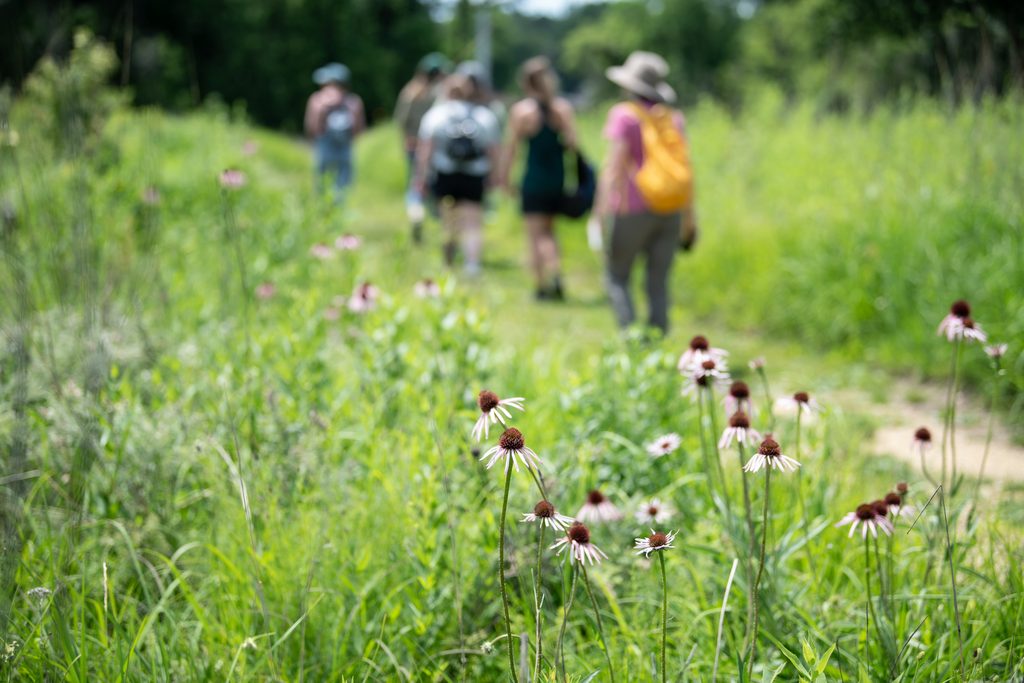
The photo, taken in the UW–Madison Arboretum, went on to win First Place. It shows a group walking through a summer landscape, with pale purple coneflower (Echinacea pallida) in the foreground and people slightly out of focus in the distance.
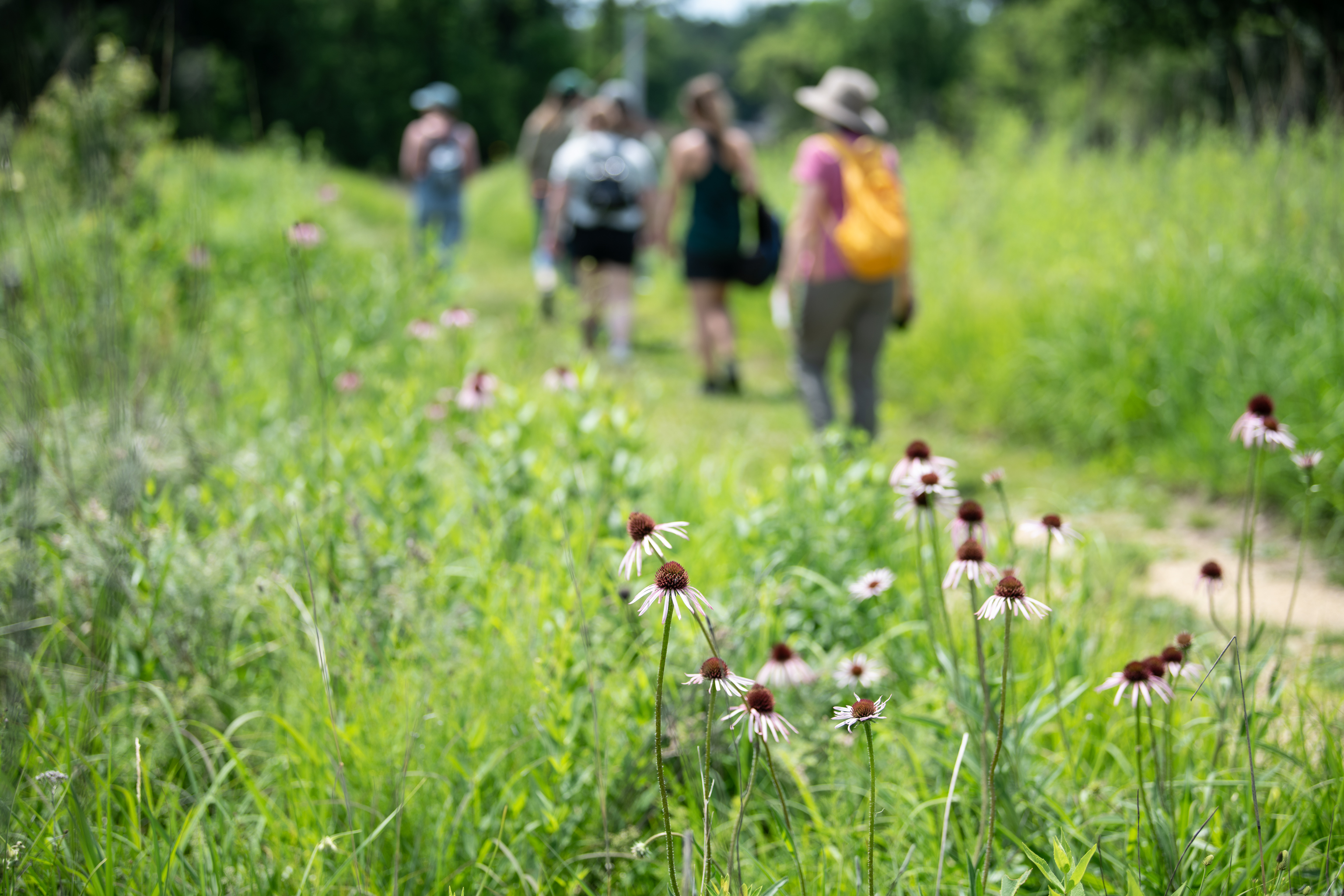
Photos like this often come from paying attention to what’s happening in the landscape, not staging a perfect shot. Catherine’s approach reflects what many of our strongest entries share: a sense of place, timing, and connection.
Q & A with Catherine McKenzie
We asked Catherine to talk about two of her favorite things: photography and native plants.
WO: Tell us about the moment this photo captures. What was happening during the class that day?
McKenzie: Our teacher for the day, Dr. Skye Bruce, was leading our class around the UW Madison Arboretum in search of butterflies to identify. She is at the far front of the photo. The class is offered through our Wild Ones chapter of the Fox River Area Native Plant Certification. (And will be offered again this summer!)
WO: What made you decide to take this photo when you did?
McKenzie: I knew I wanted to capture some shots of the class participants along with the gorgeous Arboretum prairie. I thought it would be nice for our education committee to have photos to use to promote the classes.
WO: In the image, we see pale purple coneflower (Echinacea pallida) in the foreground. Was that intentional, or something you noticed in the moment?
McKenzie: I was looking for some nice foreground to have in sharp focus and have the class be visible but fade into the distance. I love pale purple coneflower. It is one of my favorite prairie plants. I love the long, droopy petals! So it was an easy choice to focus on this stand of flowers as the class walked forward.
More from Catherine’s work
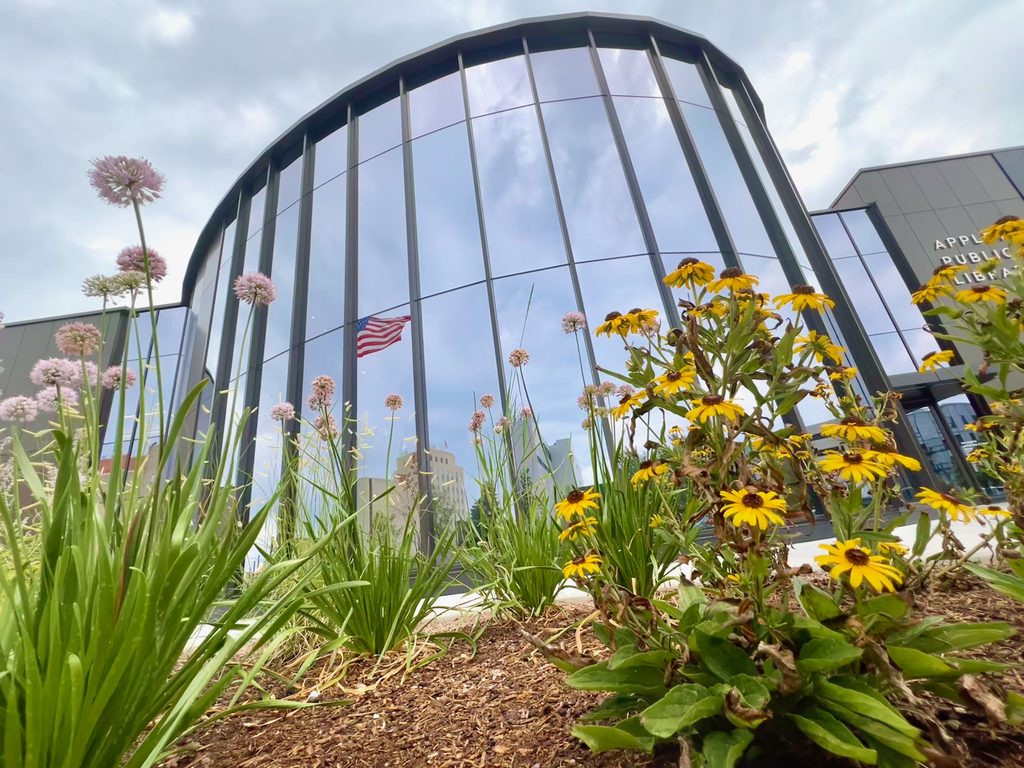
WO: How did being part of the “Butterflies of Wisconsin” class shape what you were noticing or looking for visually?
McKenzie: Sharing a glorious summer day with a group of like-minded native plant lovers made it easy to search for and find beauty all around!
WO: What do you tend to look for when photographing native plants or landscapes?
McKenzie: I am always hoping for interaction of some sort that will help tell a story within the photo. People enjoying the plants and vistas is great. Or, more usually in my photos, bees, butterflies, birds, or chipmunks going about their lives collecting nectar, pollen, or seeds from the many native plants surrounding our home.
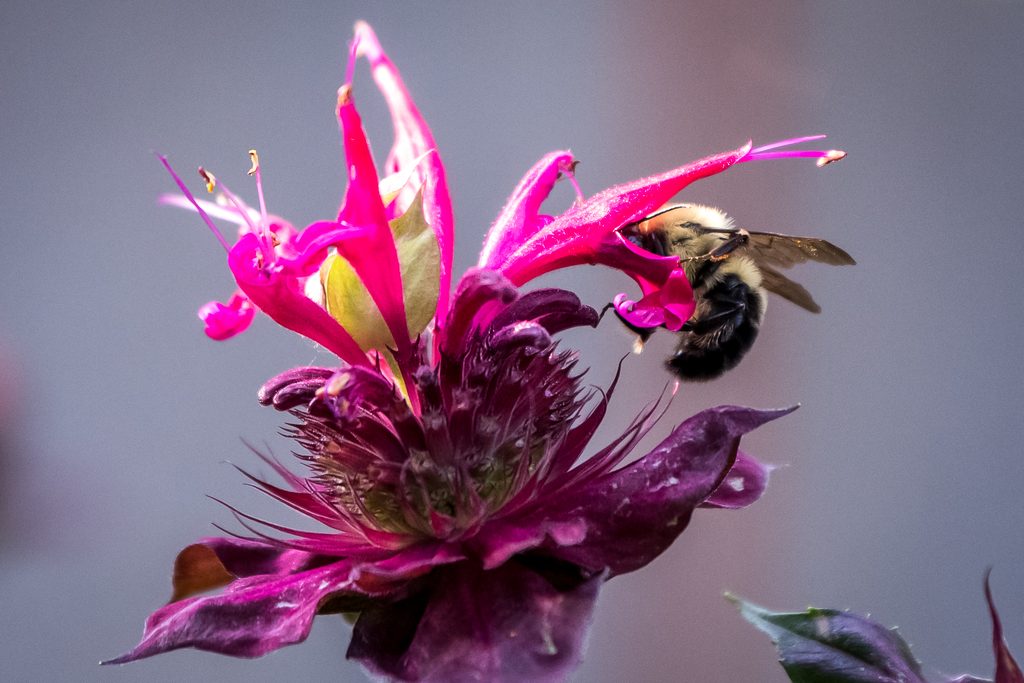
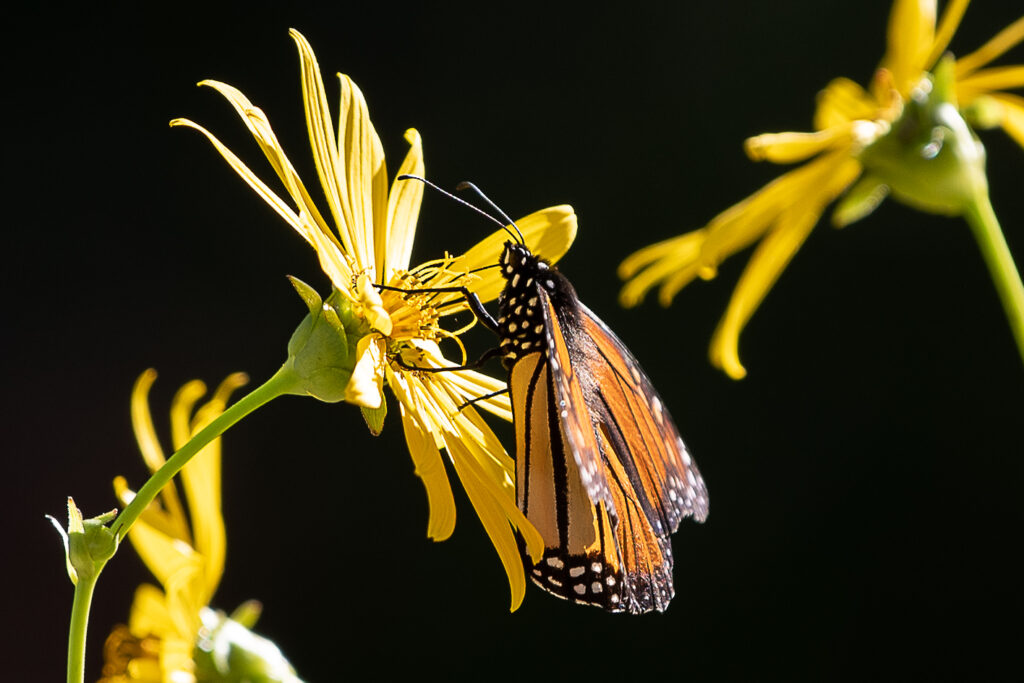
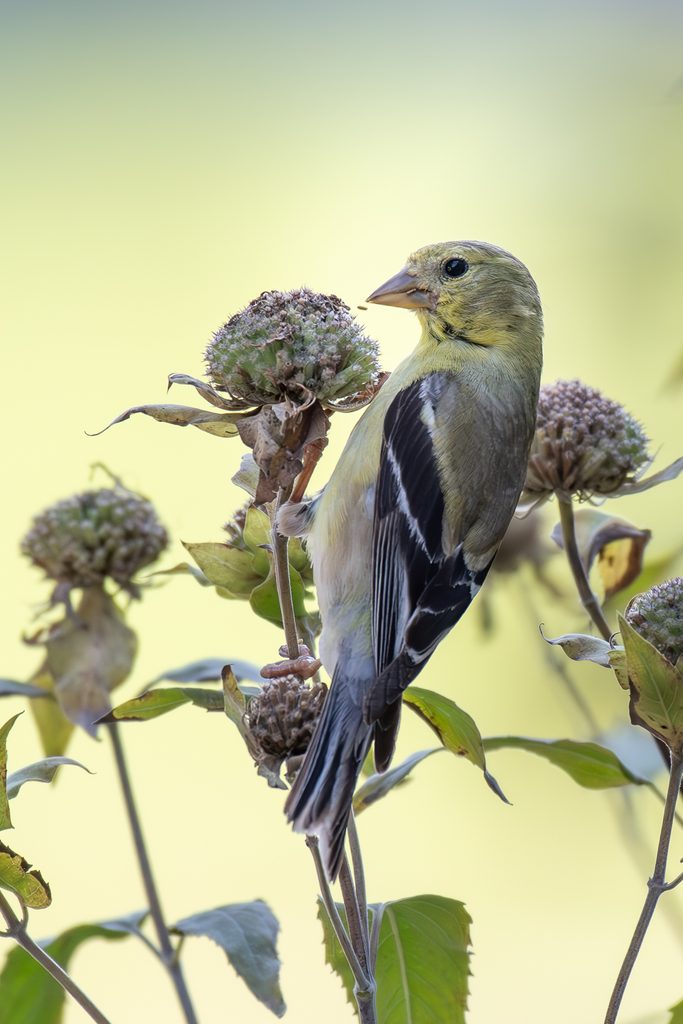
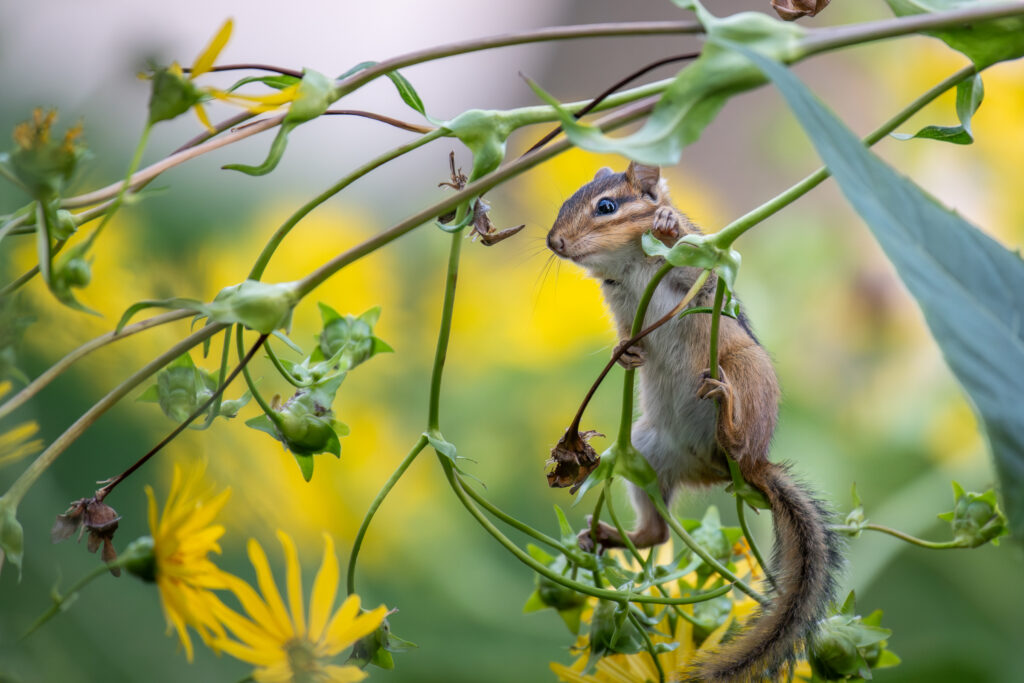
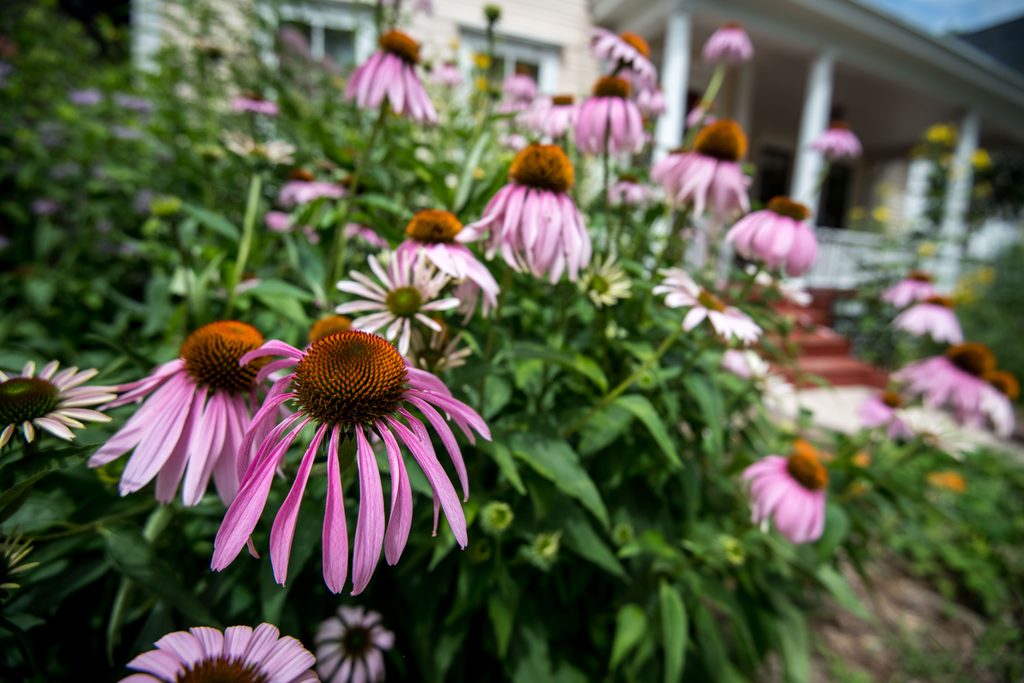
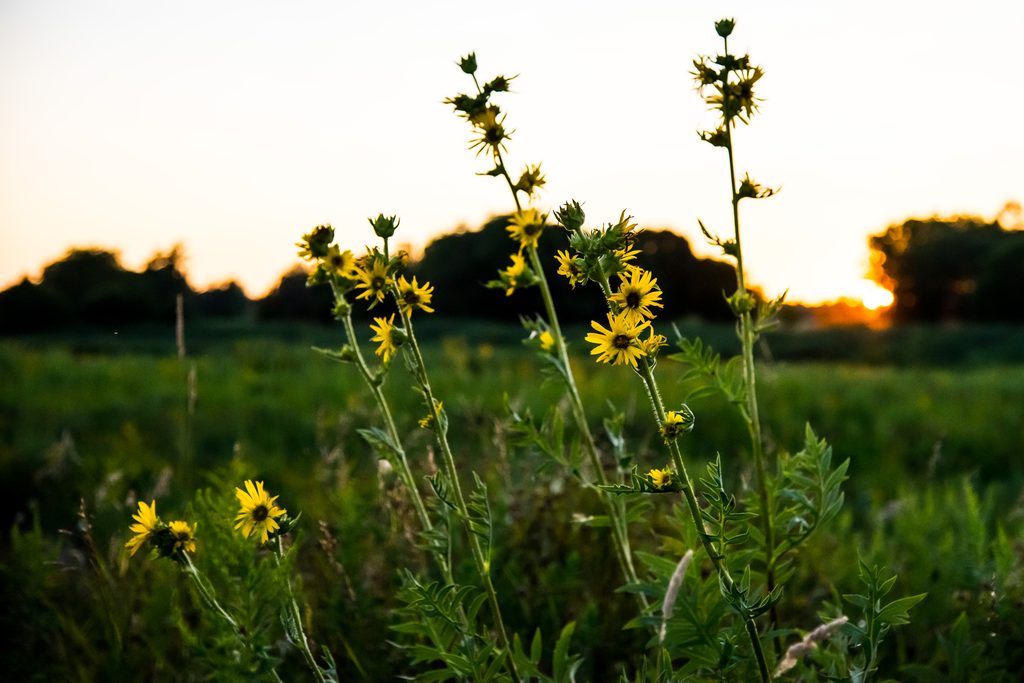
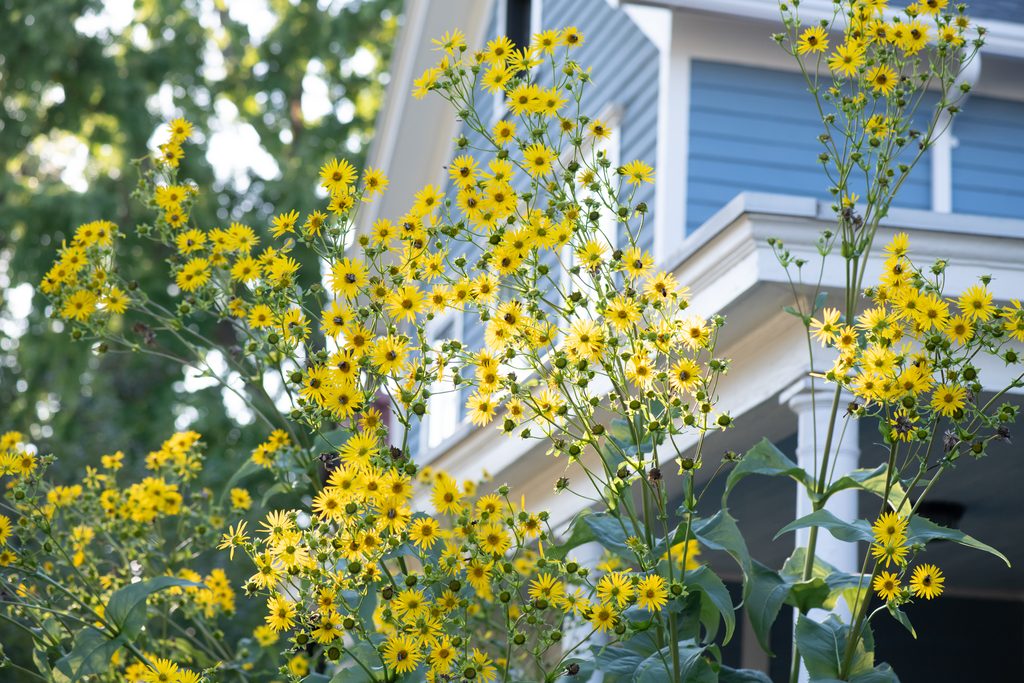
Many of Catherine’s photos focus on plants and the species that depend on them.
WO: Do you usually plan your shots, or are you capturing things as you see them?
McKenzie: I wander, stop, look, and like Mary Oliver says, “stand still and learn to be astonished”!
WO: Did you expect this photo to win First Place?
McKenzie: I never expect a photo to win – there are so many lovely photos entered! I enter photos because I love native plants so much and I want Wild Ones to have lots of photos to use to illustrate their awesome mission!
WO: What would you say to other Wild Ones members who aren’t sure their photos are “good enough” to submit?
McKenzie: Nothing ventured, nothing gained! Enter those photos that speak to you because they will also speak to others! And, Wild Ones can use them for other things throughout the year. I see my photos that didn’t win anything pop up here and there and it always makes me smile.
WO: Has spending time learning about native plants and insects changed how you see places like the arboretum? If so, how?
McKenzie: Learning about native plants and the critters that depend on them has changed my whole focus of what’s important. The beautiful Arboretum has always seemed like an important part of the ecosystem, but now I’ve come to understand that my yard and garden are also an integral part of the ecosystem; they are part of the natural world, not separate from it. What I grow and how I treat this small piece of land is just as ecologically important. That was an eye-opener!
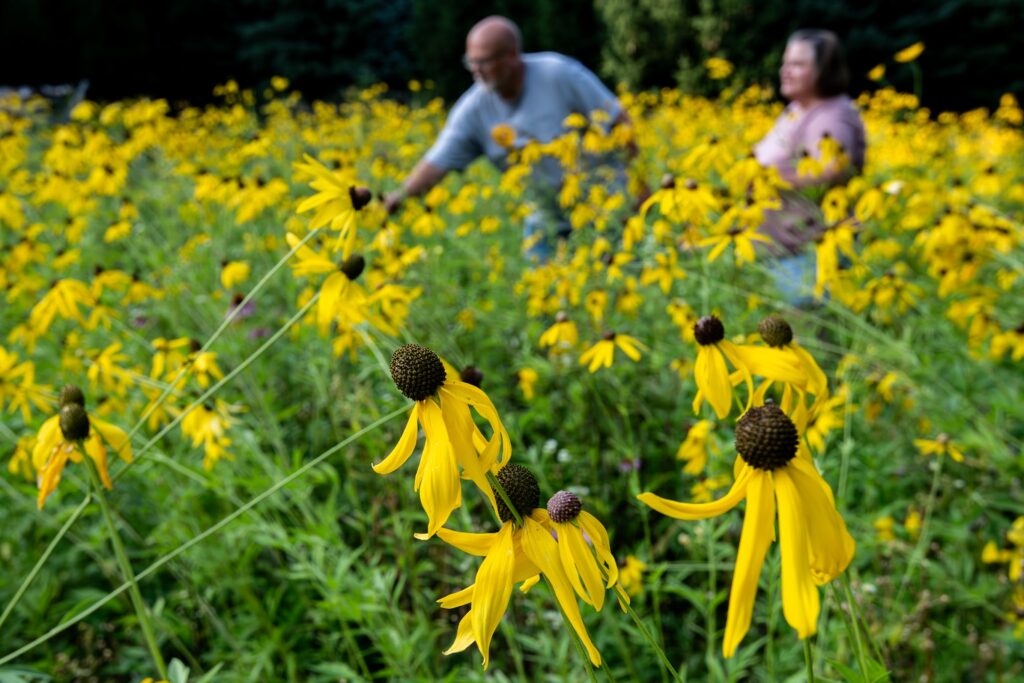
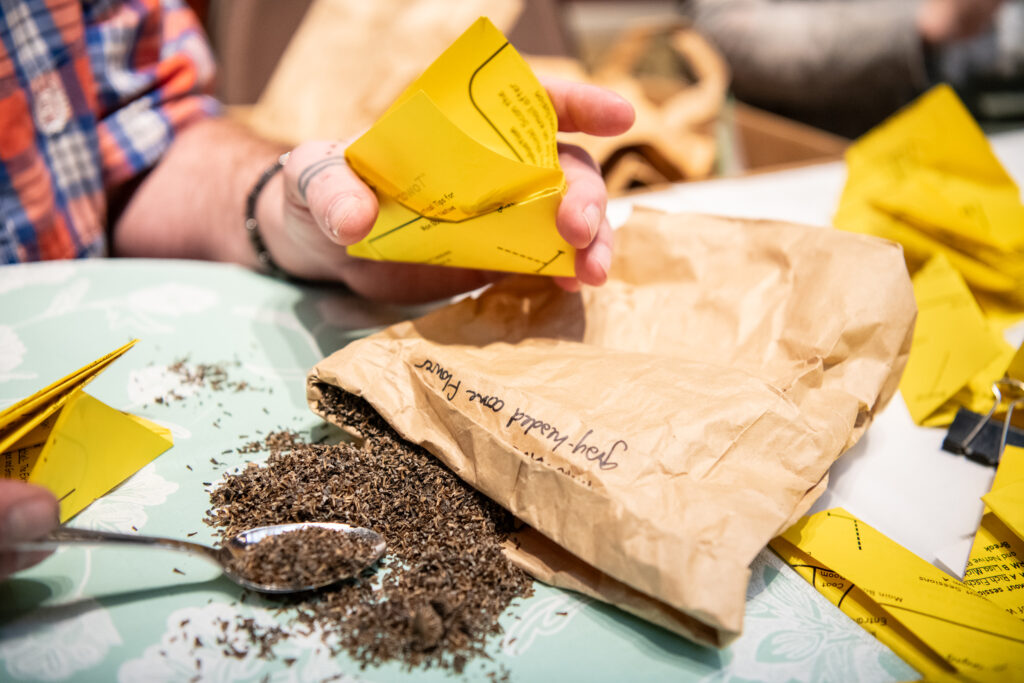
Another theme Catherine captures: connecting people and native plants through shared experience.
Across her work, Catherine returns to the same idea: documenting native plants as part of a living system, not in isolation.
I wander, stop, look, and like Mary Oliver says, “stand still and learn to be astonished”!
-Catherine McKenzie