
From mist-covered ponds to alpine wildflowers and tiny moments frozen in ice, David Silsbee’s photography invites viewers to slow down and notice the details of native landscapes. A member of the Wild Ones Mountain Laurel (CT) Chapter, David has earned recognition across multiple years of the Wild Ones Photo Contest, including Best in Show honors in both 2022 and 2025. This year, he’ll also help judge the contest.
We spoke with David about what makes a photo stand out, how he approaches photography in the field, and why native plants have changed the way he sees beauty itself.
WO: You’ve won Best in Show multiple times. When you look back at those photos, what do you think made them stand out?
Silsbee: That’s always a mystery to me when it comes to competitions. There are so many deserving pictures. I believe that mine did well because they clearly related to the category topic and because they looked at things a little differently than other photos.
One of those winning images, Misty Morning (2022), captured the glow of red maple (Acer rubrum) foliage through thick morning fog while canoeing on a pond in Maine. His 2025 Best in Show image, Woodland Pool, took a quieter approach, focusing on a northern red oak (Quercus rubra) leaf suspended in winter ice above a seasonal woodland pool.
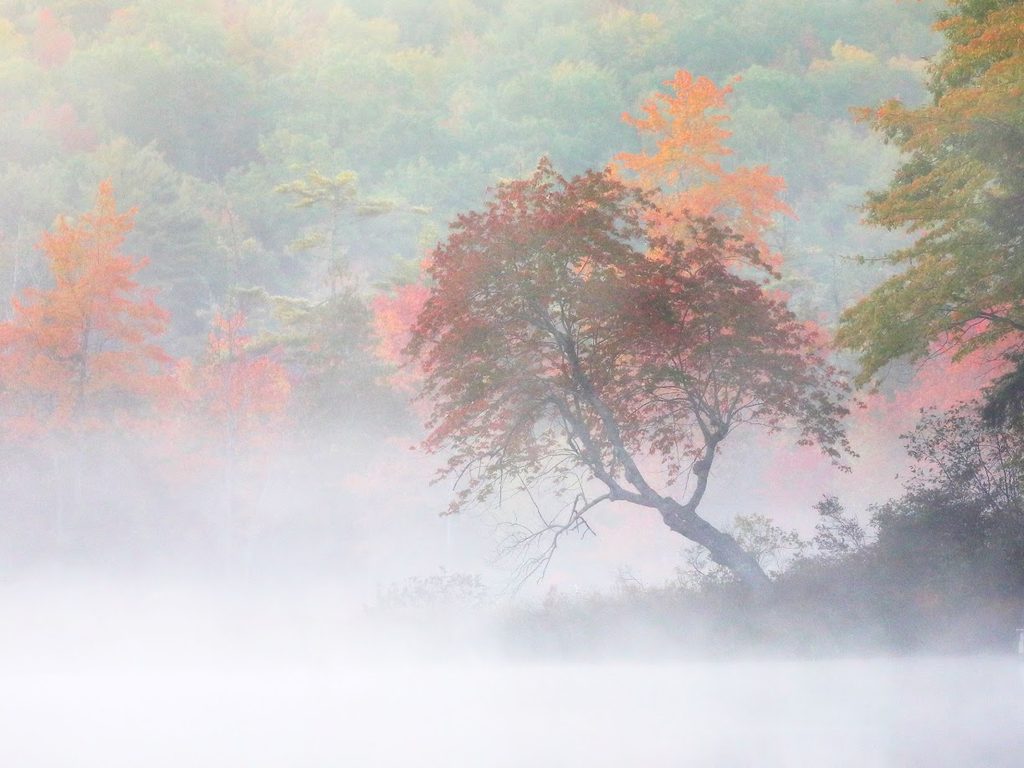
Winner
2022 Best in Show
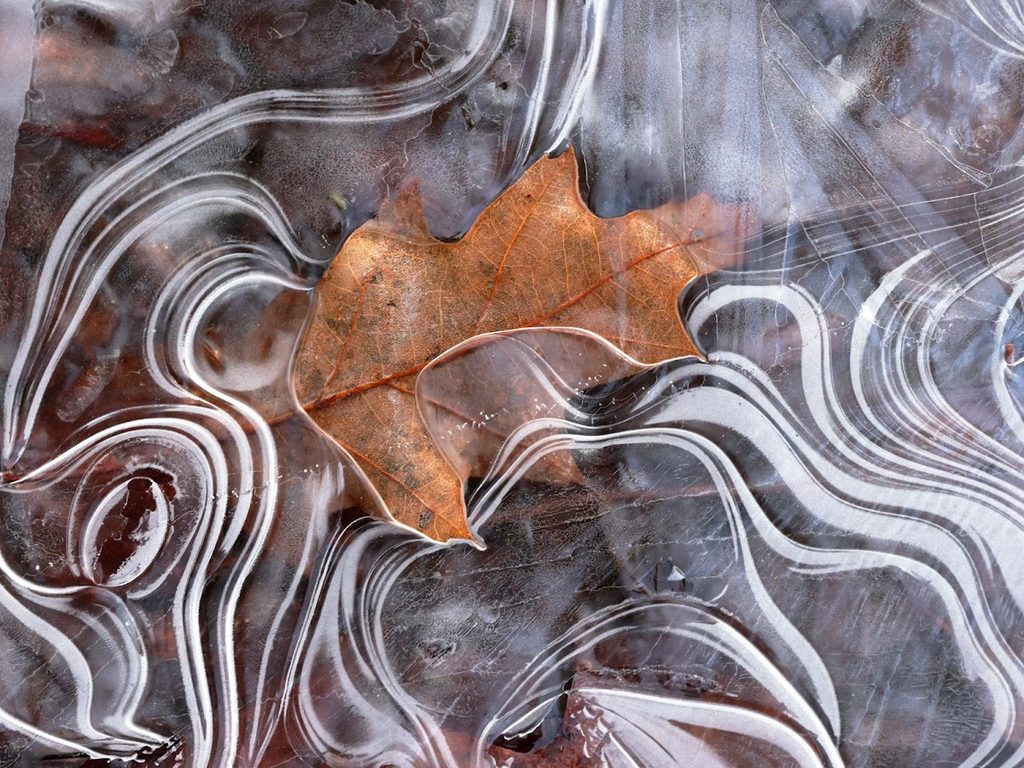
Winner
2024 Best in Show
WO: As a photographer, what are you paying attention to when you’re out in the field?
Silsbee: I try to be open to whatever I find. Often the best pictures turn out not to be what I was out looking for.
That openness shows across David’s work, whether photographing a cedar waxwing perched on eastern red cedar (Juniperus virginiana), alpine wildflower meadows in Montana, or a great golden digger wasp visiting native blooms in Connecticut.
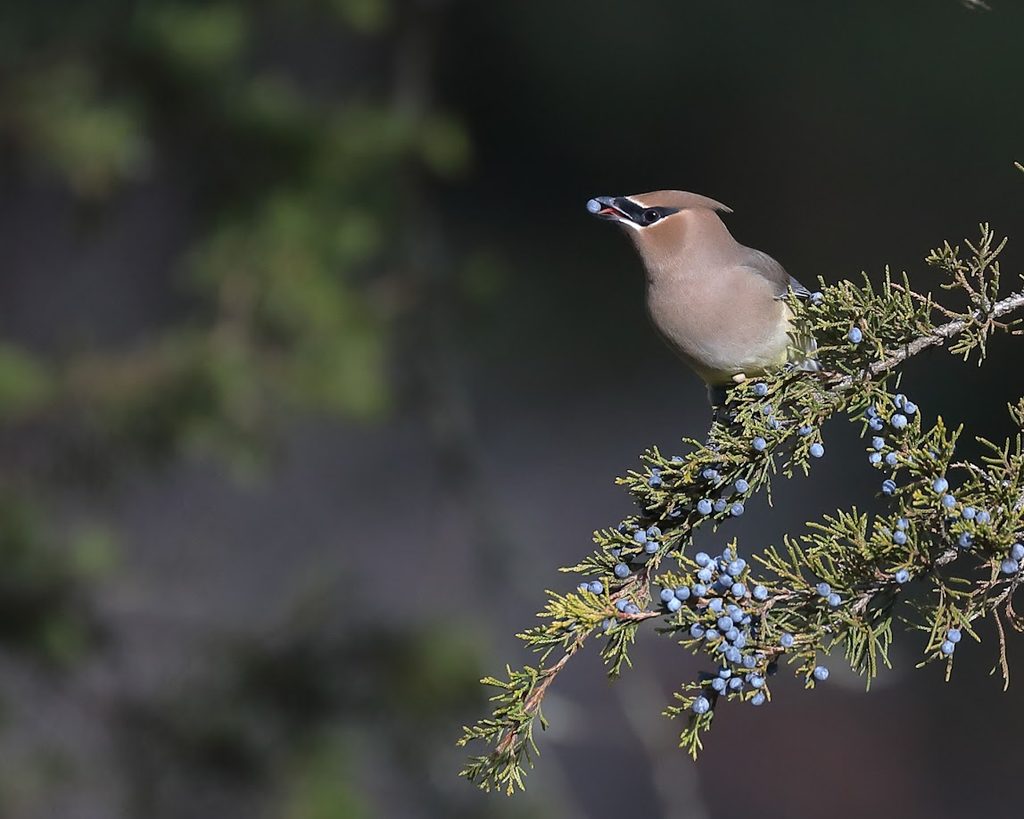
First Place
2022 Fauna with Flora Category
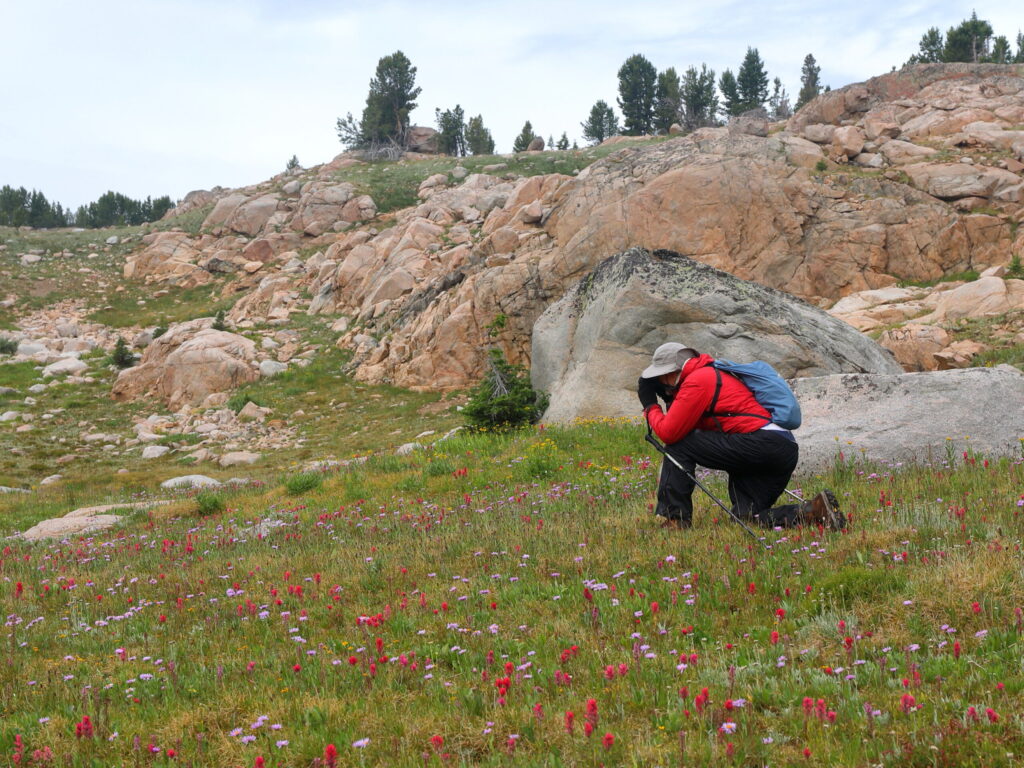
Third Place
2023 Camaraderie and Native Plants Category
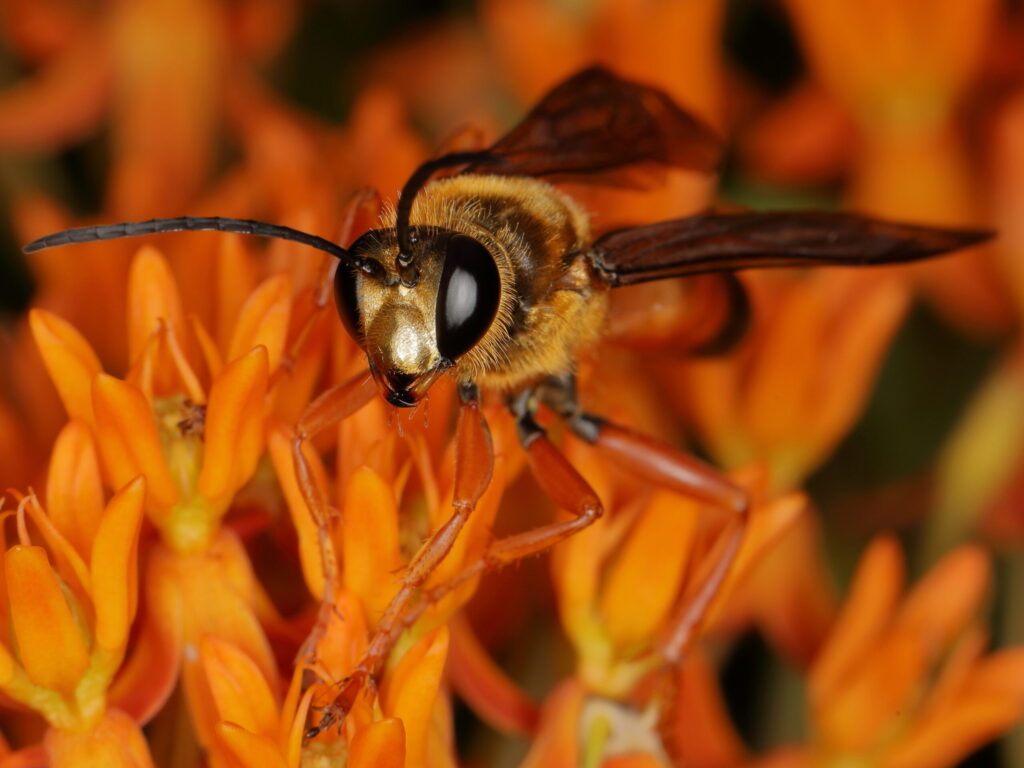
Third Place
2021 Pollinators Category
WO: A lot of people assume winning photos are highly planned. How much of your work is planned versus noticing something in the moment?
Silsbee: I plan pretty carefully to be in good places at good times of day, early morning and evening, but try to be open to whatever I might find when I get there. Sometimes there are particular subjects I’m after, but more often I go to a place where I know I will find interesting things.
WO: From a judging perspective, what immediately separates a strong photo from the rest?
Silsbee: To start with, I like to see the subject stand out clearly, well focused and lit without distractions in the background. To make the photo special, there has to be something special about it. That’s where the creativity comes in. It can be the expression on a face, a clever composition, beautiful colors and light, or almost anything.
WO: Do you tend to favor close-up species shots, broader landscapes, or images that show relationships between plants, people, and wildlife?
Silsbee: In my work, I gravitate toward close-up species shots and relationships between wildlife species and between wildlife and plants. I tend to be very self-conscious about taking people shots and do not do a lot of it, and I have a hard time getting a handle on how to get good broader landscape pictures. But I greatly admire good people pictures and broader landscapes and maybe favor them more when I look at them because I am not good at them myself.
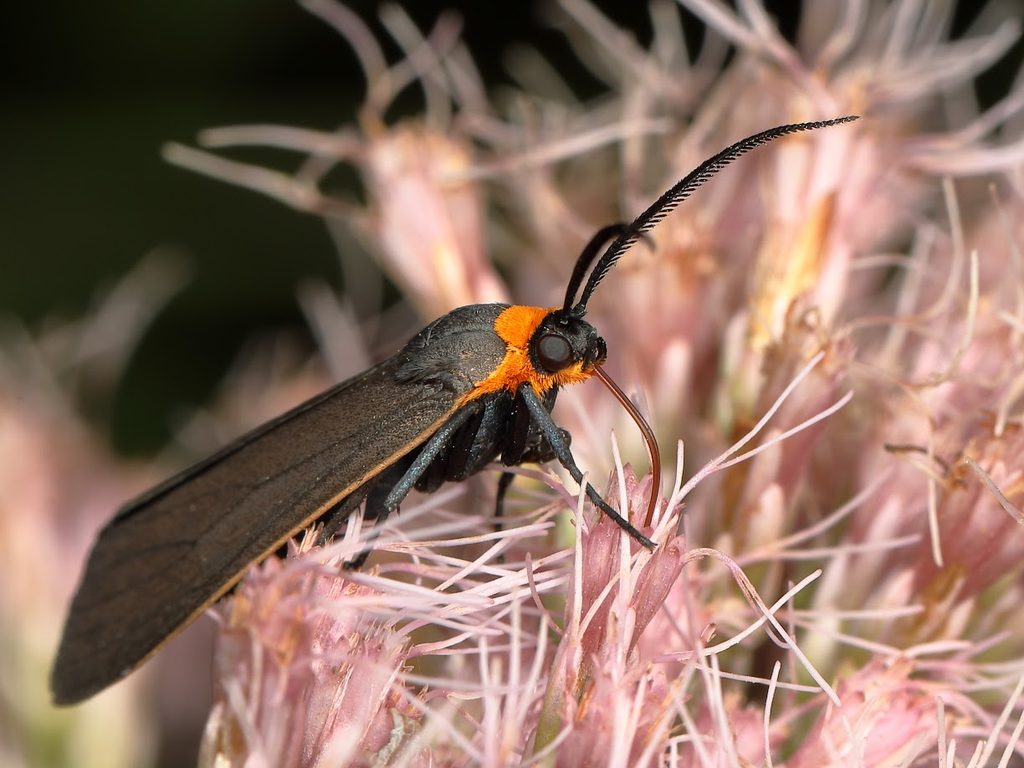
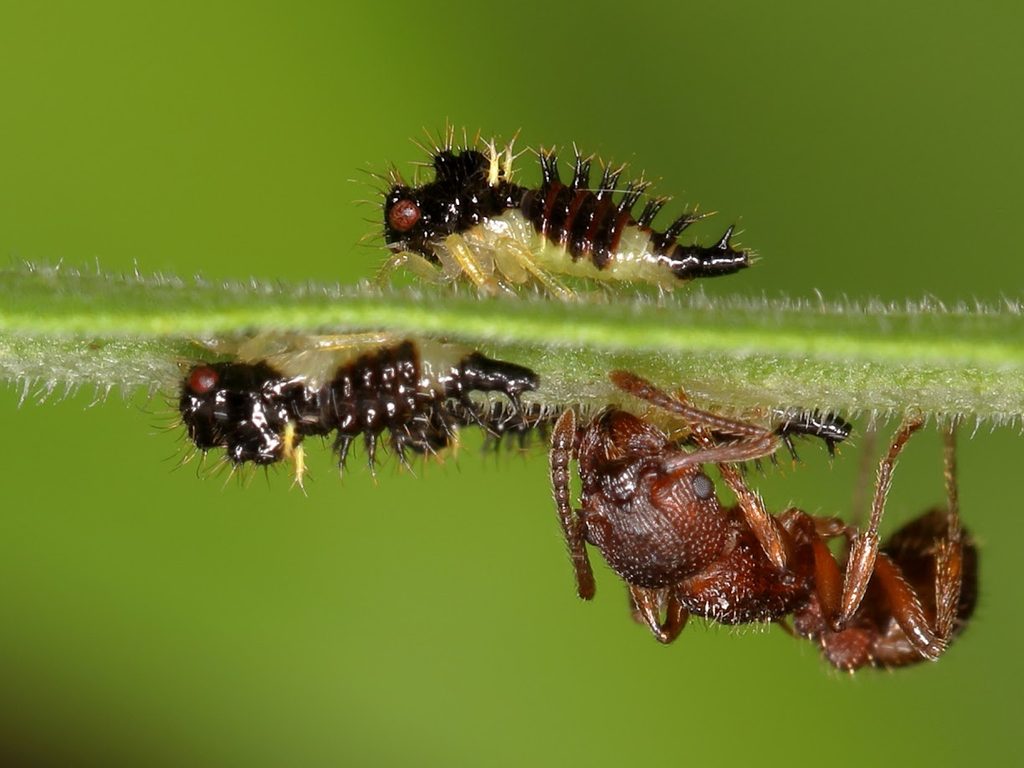
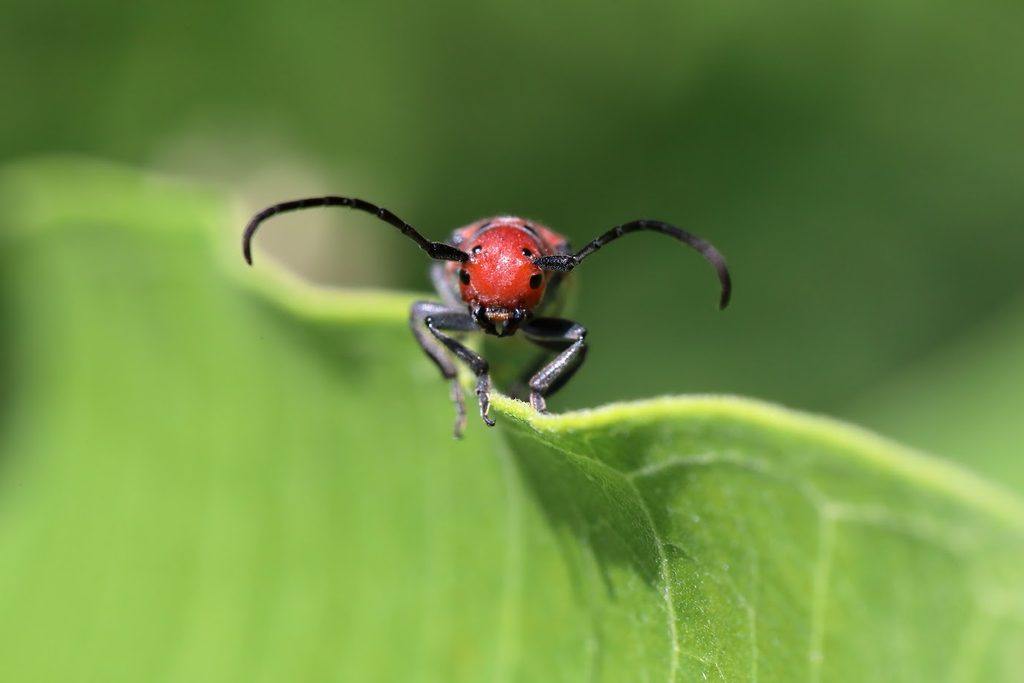
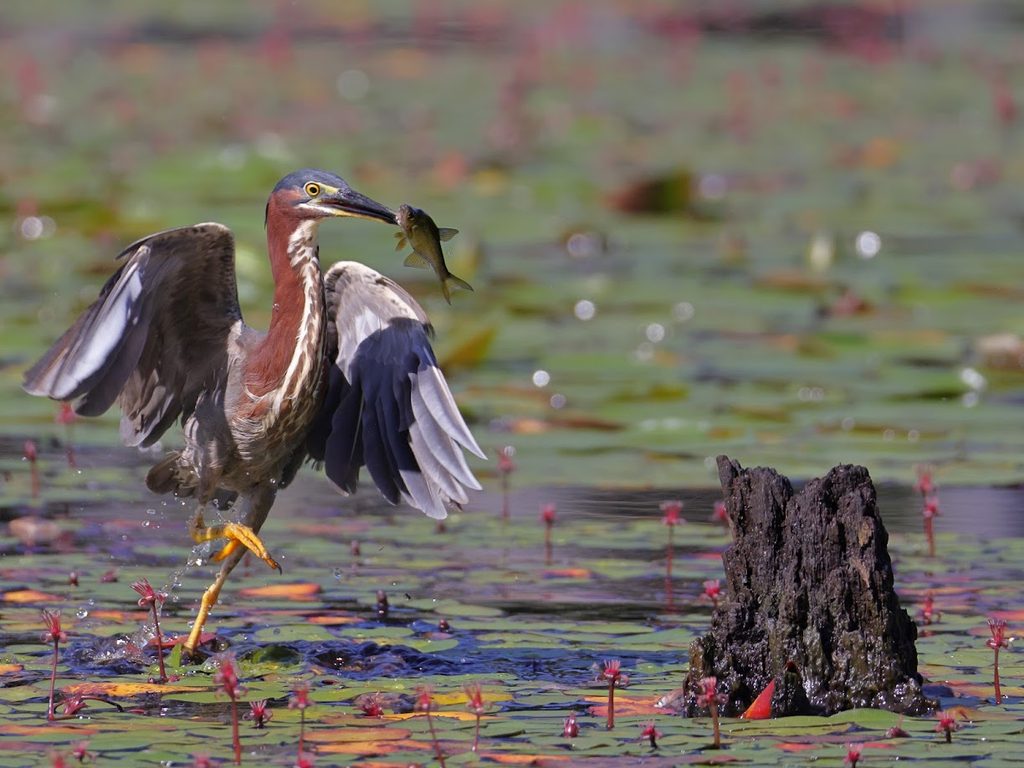
Some of Silsbee’s most memorable images reveal the tiny dramas unfolding in native landscapes every day.
WO: How much does technical quality matter compared to the story or moment being captured?
Silsbee: I think a certain level of technical quality is a prerequisite for considering a picture, but it is not what makes a picture stand out.
WO: What advice would you give to a Wild Ones member who is thinking about entering but isn’t sure their photos are “good enough”?
Silsbee: It’s worth entering anyway. You never know what might strike someone’s fancy. Also, I get a pleasure out of being a part of something like this, regardless of winning prizes. Seeing your own pictures in the array of all those great pictures is rewarding in and of itself.
WO: Has photographing native plants changed how you see landscapes or spaces over time?
Silsbee: My increasing awareness of the difference between native plants and the invasives that are so much part of our landscape now has had a big influence on what I see as beautiful. It’s a loss, in some ways, because my view of a landscape is so easily ruined by seeing invasive plants so prominent. On the other hand, it makes the native plants and landscapes more beautiful because they are the exception rather than the rule.
Across David Silsbee’s photography, a consistent theme emerges: attention. In a world that often encourages us to move quickly, his work offers a different invitation: pause, look closer, and discover the stories unfolding all around us. Native landscapes are full of extraordinary moments. Sometimes all it takes is paying attention to see them.
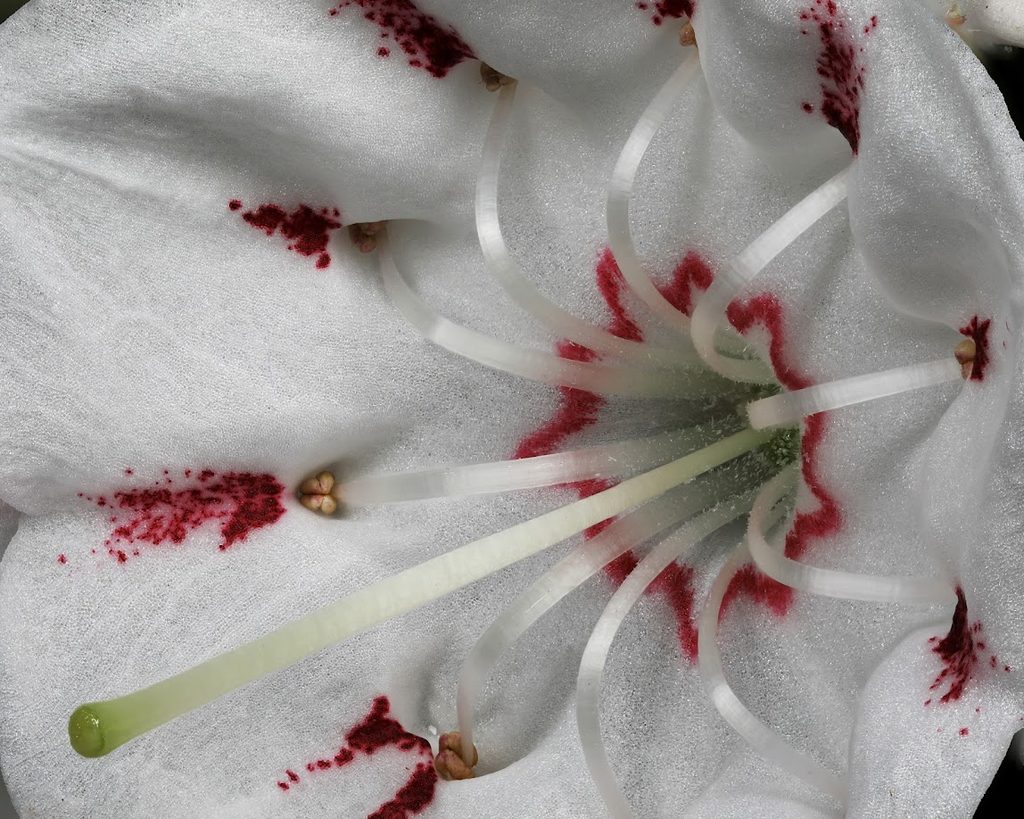
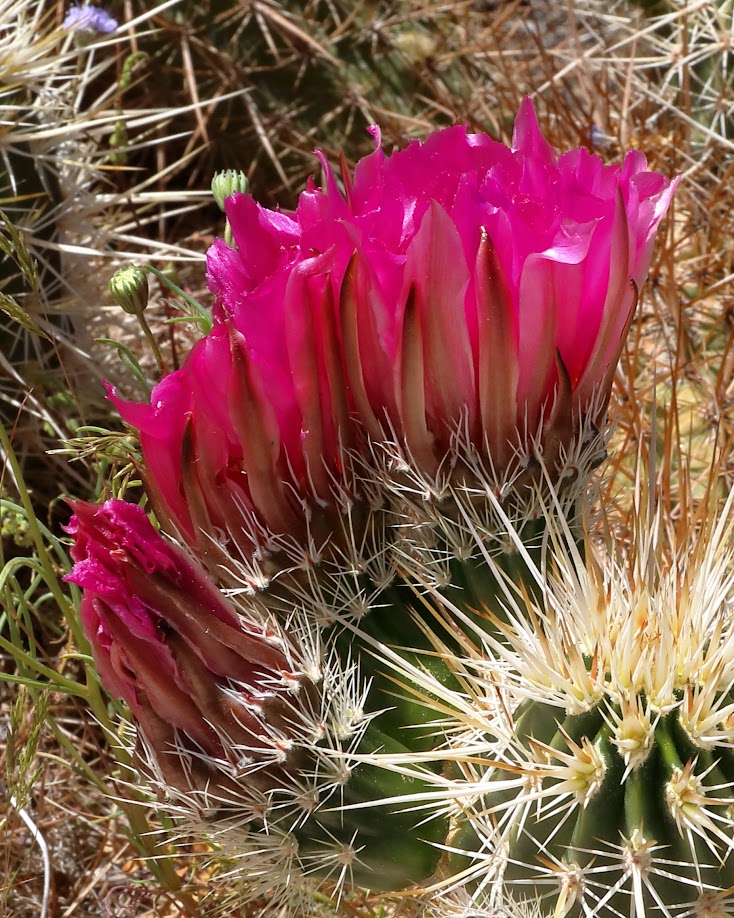
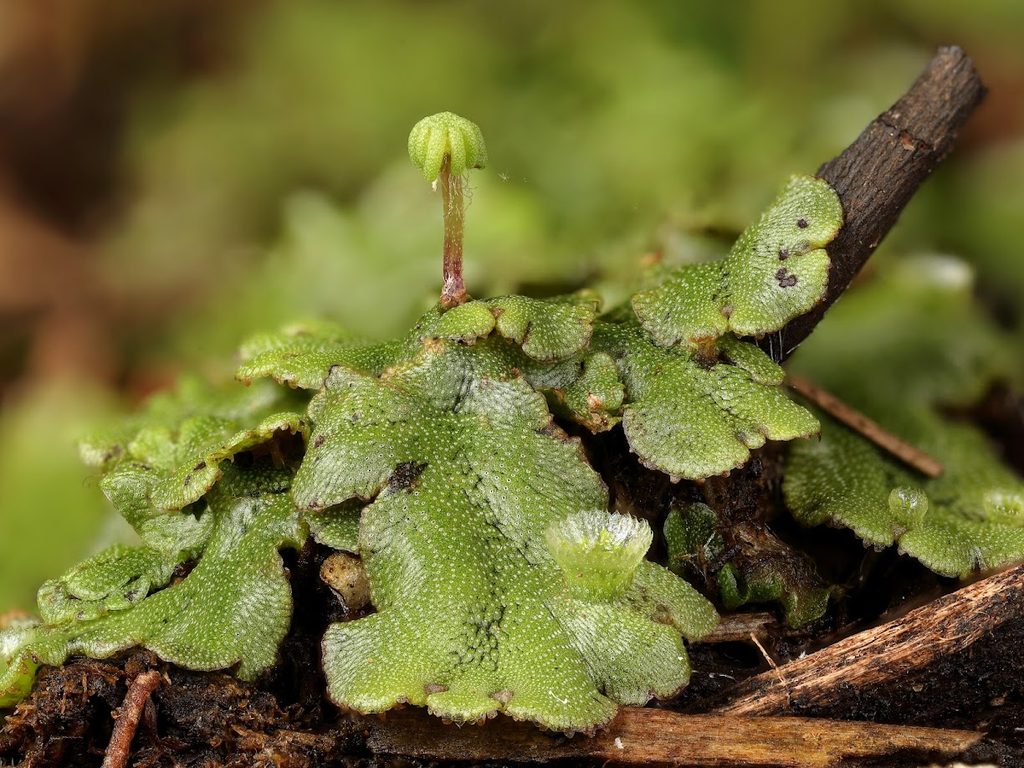
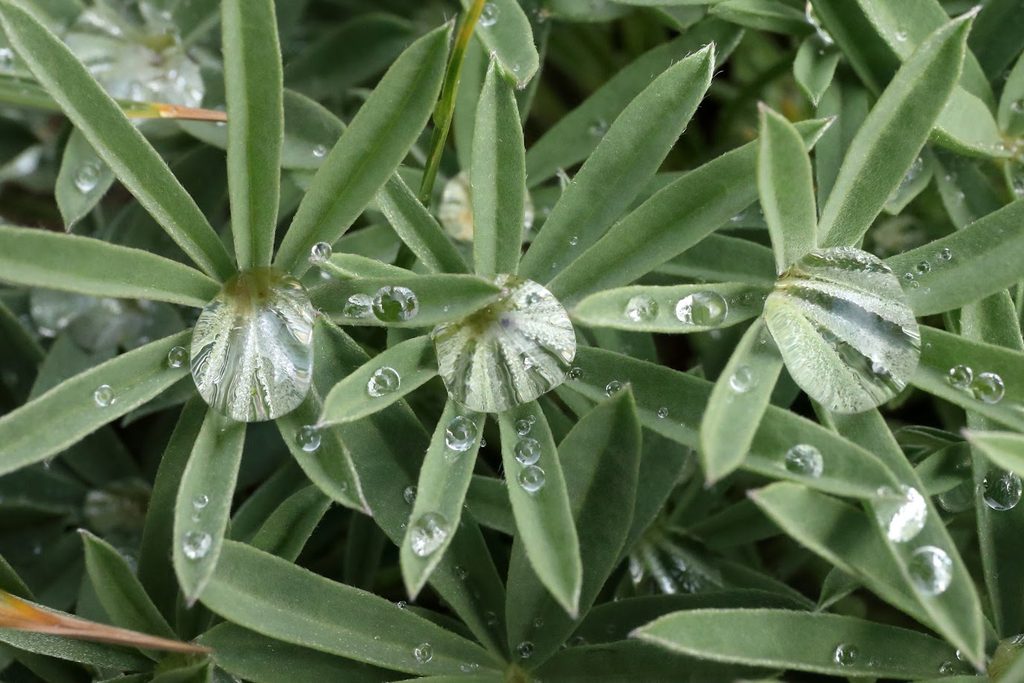
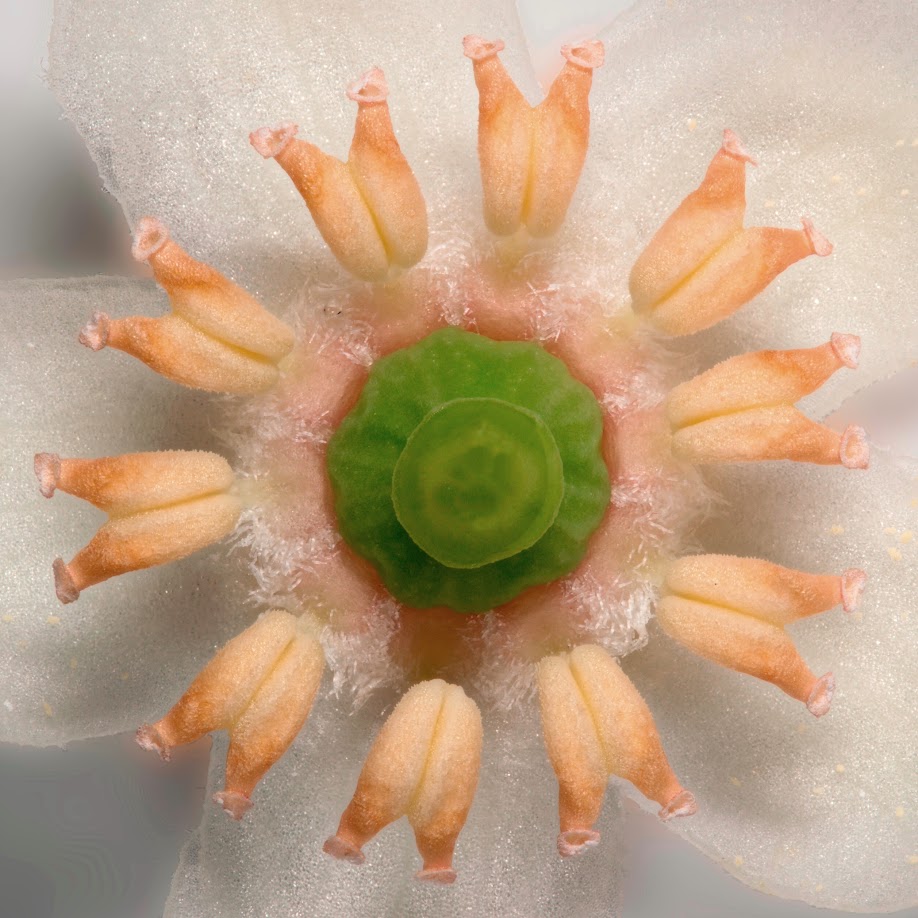
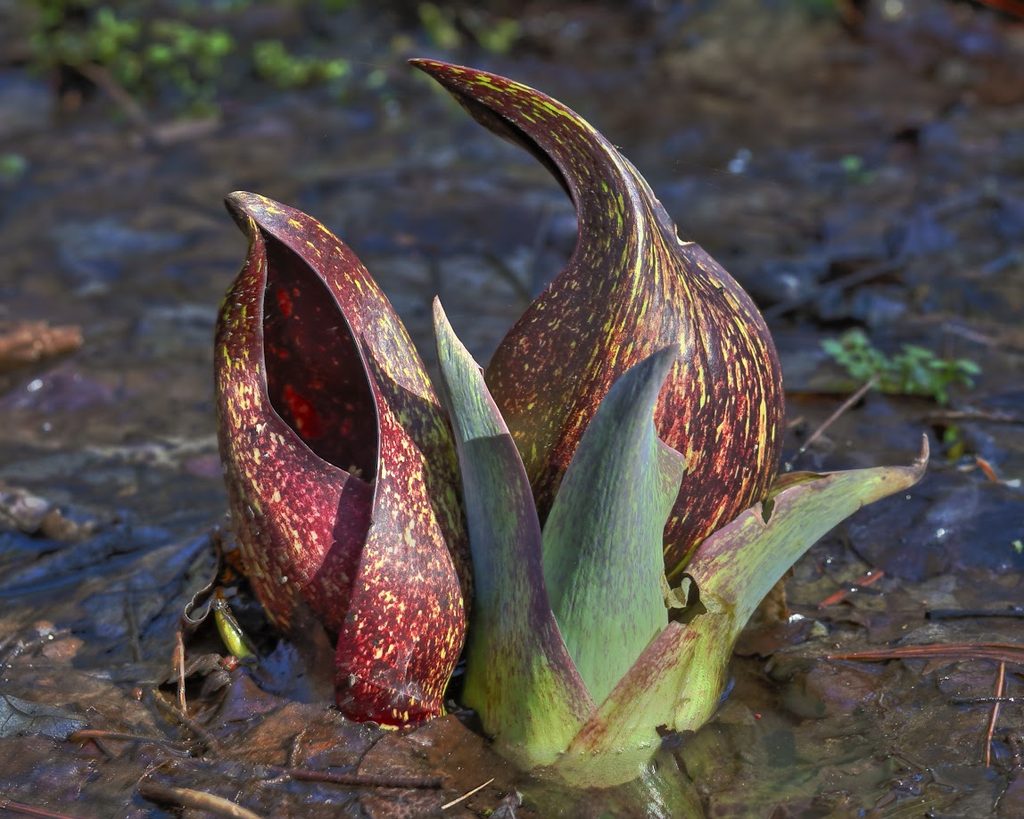
That perspective is also at the heart of the Wild Ones Photo Contest. The most memorable images are not always the rarest species or the most dramatic landscapes. Often, they are moments of connection that reveal the beauty, complexity, and ecological relationships found in native landscapes. As Silsbee reminds us, you never know what might strike someone’s fancy, and sometimes the best photographs are the ones you weren’t looking for in the first place.
The Wild Ones Photo Contest celebrates more than technical photography. It highlights observation, ecological relationships, seasonal beauty, and the many ways native plants shape our experiences outdoors. Whether you’re photographing a sweeping landscape, a backyard bloom, or a fleeting wildlife interaction, your perspective helps tell the story of native landscapes.