
Autumn marks the quiet start of next spring’s bloom. As many gardeners reach for tulips or daffodils, it’s worth remembering that North America has its own bulb plants. These native bulbs, corms, tubers, and rhizomes not only bring early color to the garden but also support pollinators emerging from winter.
I am using the term ‘bulbs’ here loosely to include bulbs, corms, tubers, and rhizomes.
A bulb is an underground storage organ made up of a short stem surrounded by fleshy, nutrient-rich leaf bases. The bottom of the bulb is a compacted stem, and roots grow from its base. Layers of nutrient-filled leaves sit at the bottom of the bulb and surround a bud that eventually becomes the flower. Traditional examples of bulbs include tulips, lilies, and daffodils. True bulbs among North American natives are relatively uncommon, but a few excellent examples exist:
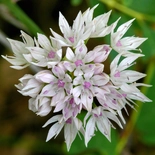
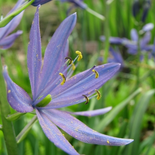
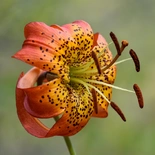
Corms are enlarged underground stems that store nutrients and are surrounded by papery outer layers. After stems sprout from the corm, buds form on top of the stem. At the end of the growing season, a new corm typically grows on the base of the spent one, and plants regrow from new corms each season. Traditional examples of corm-forming plants are gladiolus and crocus. Corm-forming natives are a bit more limited, but these are representative:
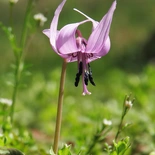
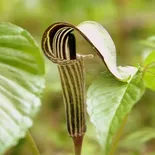
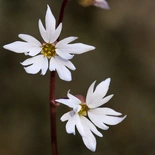
Tubers are formed from a stem or root. They store nutrients that allow the plant to grow the following season. Shoots grow upwards from many different places on the tuber. Traditional examples of tubers are dahlias and potatoes. Many spring ephemerals and woodland plants in North America grow from tubers or tuberous roots:
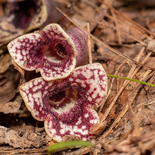
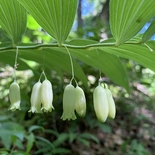
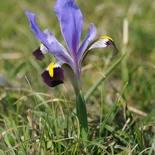
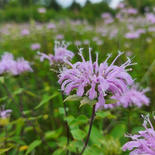
Rhizomes are stem-like structures that grow horizontally across the ground, forming roots from the bottom while sending shoots upward. Buds form at different parts along the structure, not necessarily at the top. Rhizomes store nutrients for newly growing plants. Examples of traditional rhizomatous plants include bearded iris and canna lilies. But rhizomatous growth is also widespread among native species, especially in prairies and woodlands:
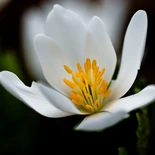
Collectively, bulb-forming natives are able to take advantage of a specific phenological niche. In early spring, when light reaches the forest floor and moisture is abundant, many of these species emerge rapidly, taking advantage of resources before woody vegetation leafs out. This early growth provides support for early-season pollinators such as solitary bees, flies, and bumble queens. This temporal partitioning also supports higher biodiversity by distributing nutrient uptake and habitat functions across the growing season.
These plants serve as nutrient pools in their native habitat and in your garden. Without plants them, spring rains would saturate the soil, which would then run off into local waterways, taking valuable nutrients like nitrogen and phosphorus with it. Because native bulbs grow well at low soil temperatures, they take up nutrients that would otherwise be lost during this time. When the warmer summer weather hits and the leaves die back, the plants release a lot of nutrients back into soil where vigorously growing plants are ready to take it up.
The following is a selection of spring ephemerals from the eastern and central US. All four can generally establish successfully in garden settings that mimic their native habitats – partial shade, moist but well-drained soil, and leaf litter or mulch cover. Though often they prove slow to spread. You should be able to find these species ethically cultivated (not wild dug) through a variety of reputable suppliers.
Wild Hyacinth (Camassia scilloides)
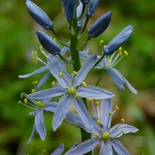
Atlantic Camas(Camassia scilloides)
Wild hyacinths grow in seasonally wet meadows, hillsides and streamside areas. They naturalize over time, are resistant to deer and rodents, and have showy light blue to white flowers. The Camassia scilloides bulbs are edible and were an important food source for Native Americans and settlers.
Growing Wild Hyacinth
Plant the wild hyacinth bulb in the fall in moist, rich soil in full sun to part shade. Wild Hyacinth do best in full sun but tolerates open woodland conditions and clay soils. Mass plant 15 bulbs 4-6” deep and 6” apart in fall in wildflower meadows, open woodland areas. Plants need regular moisture during spring growth and bloom but tolerate drier conditions after bloom as the plants head for summer dormancy.
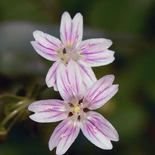
Spring Beauty (Claytonia virginica)
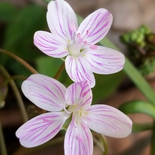
Virginia Springbeauty(Claytonia virginica)
Spring Beauty is a small, delicate woodland plant favored by pollinators in early spring. It is a low-growing plant with groups of light pink or white flowers. They open on sunny days and close at night and on cloudy days. Underground tubers are edible and have a chestnut flavor.
Growing Spring Beauty
Plant tubers 3” deep and space 3” apart in fall in average, medium moisture, well-drained soils in full sun to part shade. Foliage continues to grow after bloom and may eventually reach 9-12” tall before the leaves disappear in late spring as the plants go into dormancy. Plant in mass in rock gardens, woodland gardens, meadows, naturalized areas or wildflower gardens. Spring Beauty can be effectively naturalized in lawns like spring crocus.
Yellow Trout Lily (Erythronium americanum)
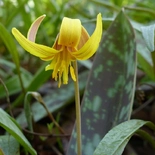
Yellow Trout Lily(Erythronium americanum)
Yellow trout lily is a native spring wildflower that occurs in moist woods, on wooded slopes and bluffs, and along streams. The common name of trout lily is in reference to the mottled leaves and the appearance of the flowers during trout fishing season.
Growing Yellow Trout Lily
Plant corms 2-3” deep and 4-5” apart in fall. Plants will slowly spread to form large colonies if left undisturbed in optimum growing conditions. These native plants do not transplant well. The plant’s foliage disappears by late spring as the plant goes dormant. Consider this plant only if you have a moist, well-drained site, typical of a rich, humus woodland. Soils that do not drain well or are heavy clay are not ideal and the Yellow Trout Lily will not thrive.
Shooting Star (Dodecatheon meadia)
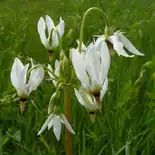
Shooting Star(Dodecatheon meadia)
Shooting star naturally occurs in open woods and glades, rocky wooded slopes, bluff ledges, meadows and prairies. Flower colors are quite variable, ranging from white to pink to light purple. Shooting Star can become very robust with a few dozen flowers coming out of each plant, especially in moist, rich soils.
Growing Shooting Stars
Plant rhizomes in moist, well-drained soil in part shade, though the plant tolerates full shade and full sun. Avoid poorly drained, wet soils, particularly in winter. Best grown in shady areas in a native plant or wildflower garden, woodland garden, rock garden or naturalized area.
It is surprising to find that we have North American ‘bulbs’ that can compete on the beauty scale with the tulips, daffodils, and crocus with the added benefit of feeding pollinators early in the growing year, feeding the soil, and many are able to feed us.
Thank you to Prairie Moon Nursery and the Missouri Botanical Garden websites for plant information.