
Climate change is one of the defining challenges of our time, but it is also a moment filled with possibility. Around the world, scientists, communities, and everyday citizens are developing solutions that restore ecosystems, reduce emissions, and help communities adapt to a changing climate.
This reading list brings together books that explore both the scale of the climate crisis and the many ways people are responding. Some examine the science behind climate change. Others imagine possible futures or highlight the local actions already making a difference.
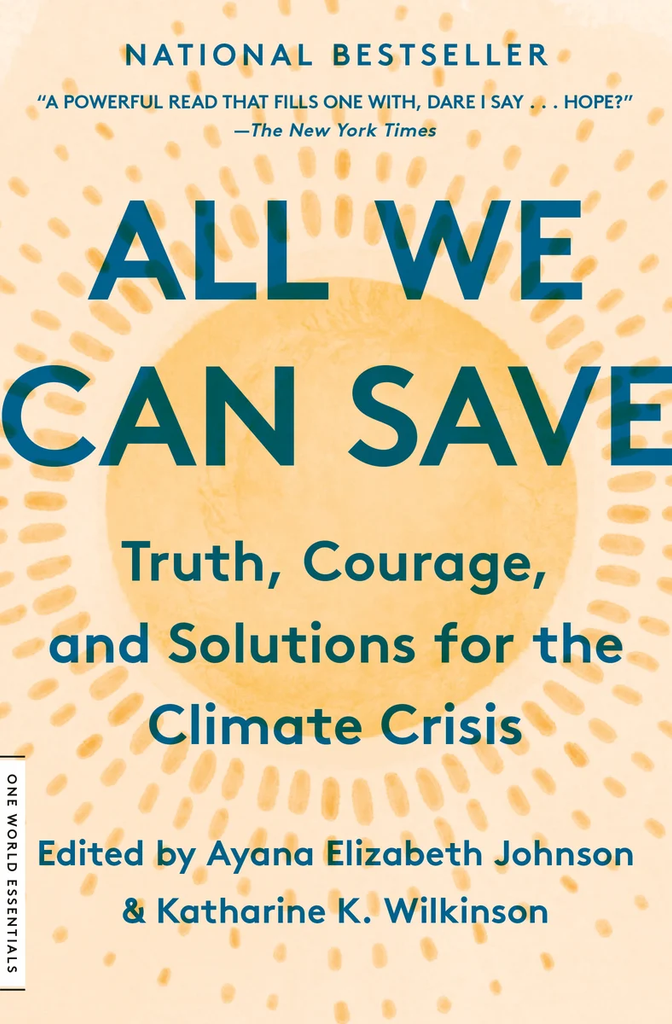
All We Can Save: Truth, Courage, and Solutions for the Climate Crisis Edited by Ayana Elizabeth Johnson and Katharine K. Wilkinson
This collection of essays and reflections brings together the voices of women leading climate work across science, policy, activism, and storytelling. The book explores climate solutions through perspectives that emphasize collaboration, justice, and community resilience.
You will take away diverse perspectives on climate leadership; inspiring examples of climate solutions in action; and a hopeful vision for building a more resilient future.
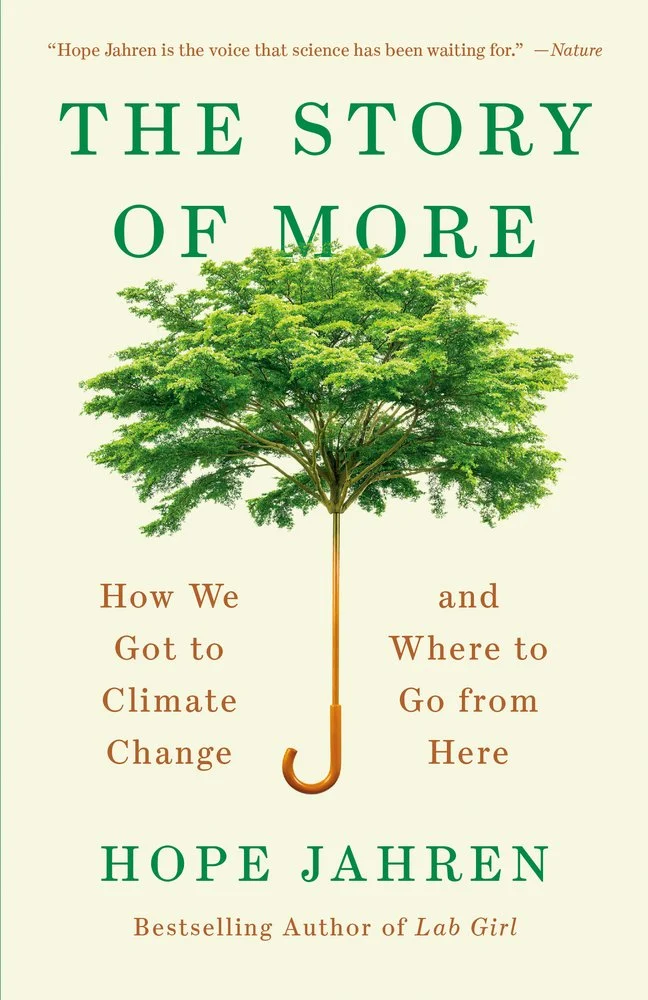
The Story of More: How We Got to Climate Change and Where to Go from Here By Hope Jahren
Geobiologist Hope Jahren explores how human consumption has transformed the planet. In clear and engaging language, she explains the science behind climate change and outlines practical steps that individuals and societies can take to reduce their impact.
You will take away a clearer understanding of the forces driving climate change; an accessible introduction to environmental science; and realistic actions that can help reduce our collective footprint.
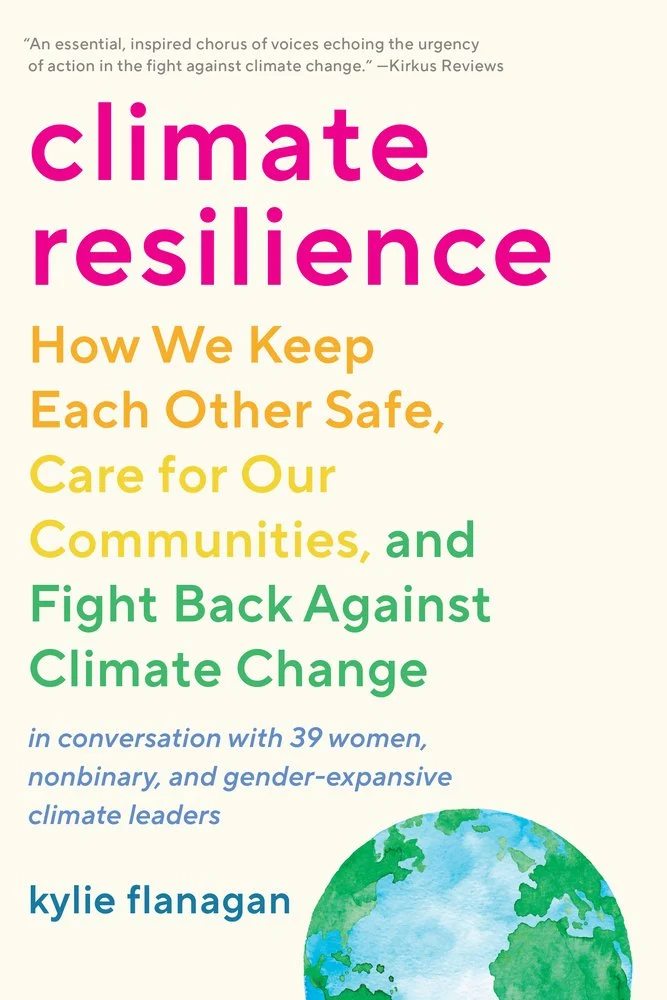
Climate Resilience: How We Keep Each Other Safe, Care for Our Communities, and Fight Back Against Climate Change
By Kylie Flanagan
Climate Resilience explores how communities are responding to the climate crisis through place-based solutions, ecological restoration, and collective action. Drawing on interviews with dozens of climate leaders and activists, the book highlights practical strategies such as seed-saving, mutual aid networks, community-owned energy, and local resilience planning
You will take away an understanding of climate resilience beyond technology; examples of community-driven climate solutions; and practical ideas for strengthening local ecosystems and communities in a changing climate.
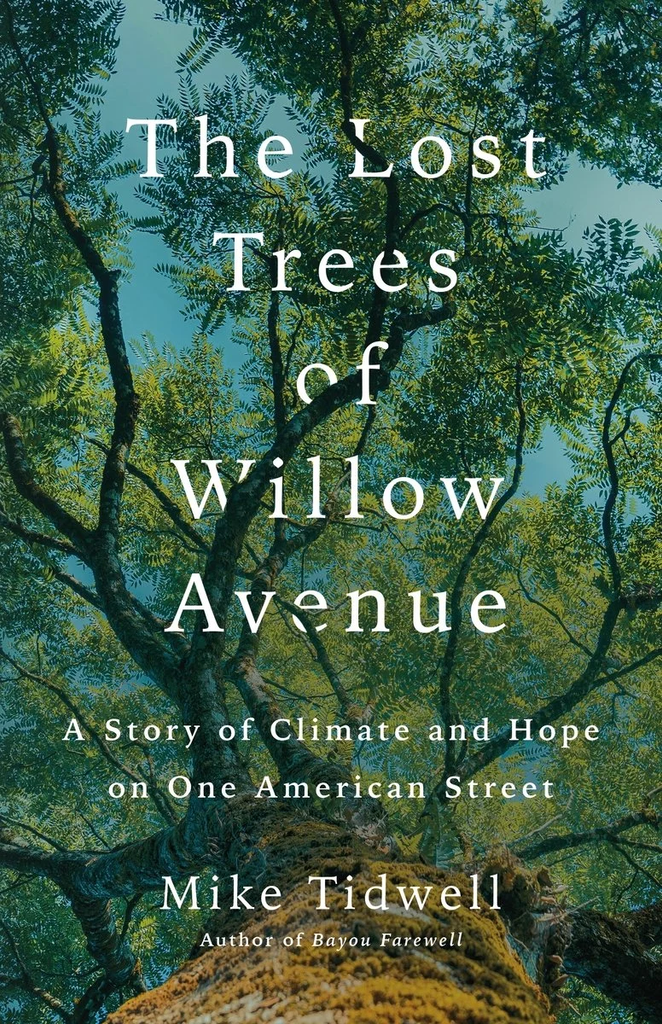
The Lost Trees of Willow Avenue: A Story of Climate and Hope on One American Street By Mike Tidwell
Environmental writer Mike Tidwell tells the story of how the loss of mature trees in his own Washington, D.C. neighborhood revealed the powerful role urban trees play in moderating heat, managing stormwater, and supporting wildlife. Through personal experience and reporting, Tidwell shows how local tree loss connects to larger climate challenges and how communities can restore resilience by protecting and planting trees.
You will take away an understanding of how trees cool cities and protect neighborhoods from climate impacts; insight into the importance of urban tree canopies; and inspiration for community-driven action to restore and protect local landscapes.
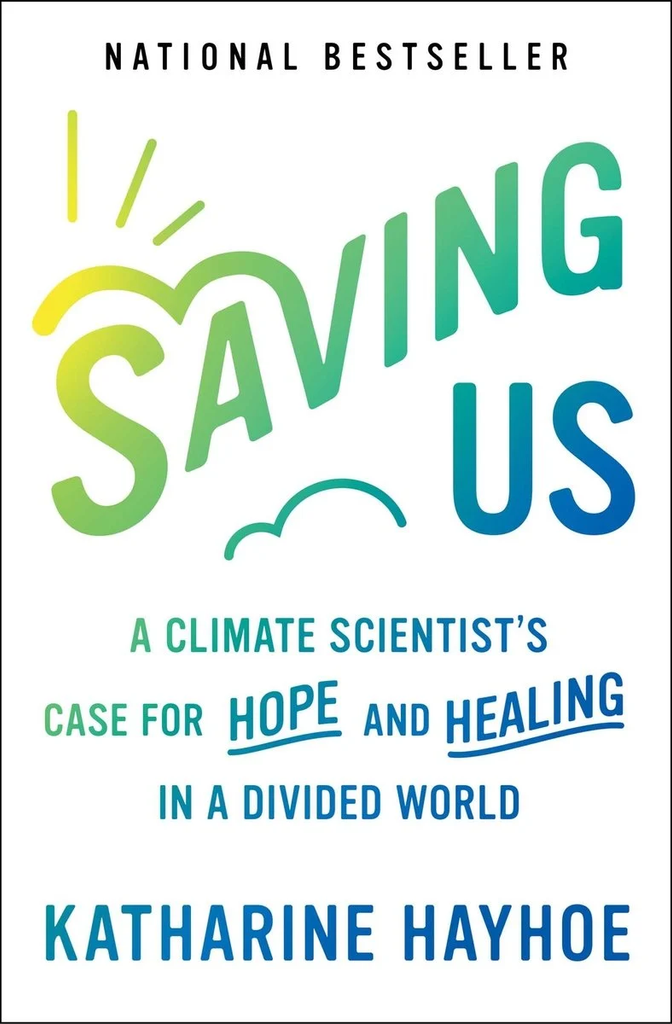
Saving Us: A Climate Scientist’s Case for Hope and Healing in a Divided World By Katharine Hayhoe
Climate scientist Katharine Hayhoe explains why the most important step in solving climate change is not technology, but conversation. Drawing on her experience communicating climate science to diverse audiences, Hayhoe shows how shared values and local action can move climate solutions forward.
You will take away practical ways to talk about climate change; strategies for bridging political divides; and tools for engaging communities in climate solutions.
Climate change is often discussed in terms of energy and global policy, leaving many to feel like there is nothing they can do. These books show that climate solutions happen at every scale. Healthy ecosystems store carbon, regulate temperature, protect water systems, and support resilient wildlife populations. Restoring native plant communities, planting trees, protecting forests, and designing landscapes that work with nature are all part of a broader climate solution.