
Scientists, writers, and naturalists have spent decades studying trees and sharing their stories. Through science writing, memoir, and natural history, these authors help us see trees not just as landscape features, but as living communities that shape the health of our planet.
Trees shape the landscapes we live in and the ecosystems that sustain life around us. They filter water, stabilize soil, store carbon, moderate temperatures, and provide essential habitat for birds, insects, and wildlife.
Native trees also form the backbone of complex food webs. Research by entomologist Douglas Tallamy has shown that many native trees support hundreds of species of caterpillars and other insects that depend on them for food and reproduction. These insects are a critical food source for birds and other wildlife. In Nature’s Best Hope, Tallamy notes that oak trees support more than 500 species of caterpillars in North America (534 species in his dataset), making oaks one of the most ecologically valuable trees for sustaining wildlife and rebuilding healthy ecosystems.
The Wild Ones reading list below highlights books that explore the science, history, and wonder of trees. Whether you are interested in forest ecology, conservation, or simply developing a deeper appreciation for the trees around you, these books offer a great place to start.
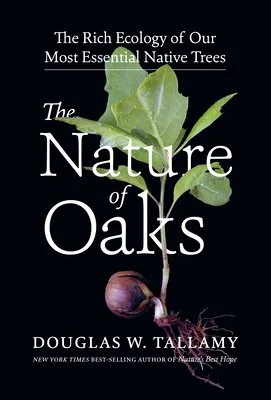
The Nature of Oaks
By Douglas W. Tallamy
Oaks are among the most ecologically important native trees in North America. Tallamy takes readers through the life of an oak tree over the course of a year, revealing the remarkable web of insects, birds, and other wildlife that depend on it. The book shows how a single native tree can support hundreds of species and why planting native trees can have such a powerful ecological impact.
You will take away: A deeper understanding of how one native tree can support entire food webs; insight into seasonal ecological relationships; and practical inspiration for planting native trees that support biodiversity.
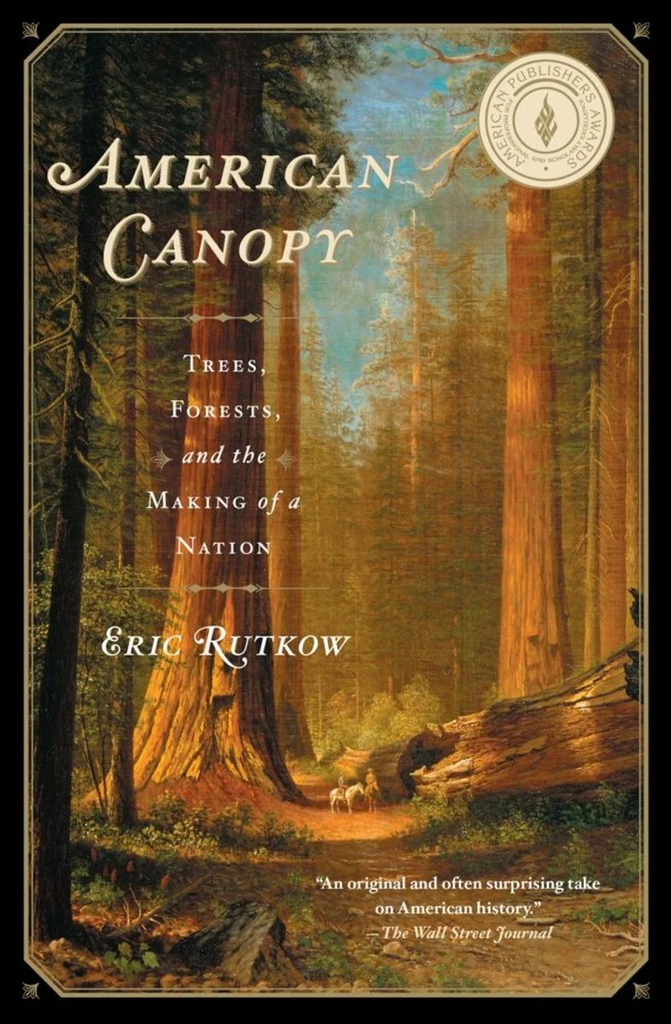
American Canopy
By Eric Rutkow
Trees have shaped human history in surprising ways. American Canopy traces the role of forests and timber in the development of the United States, from colonial shipbuilding to early conservation movements. It is a fascinating look at how trees have influenced culture, industry, and environmental policy.
You will take away: A deeper understanding of how one native tree can support entire food webs; insight into seasonal ecological relationships; and practical inspiration for planting native trees that support biodiversity.
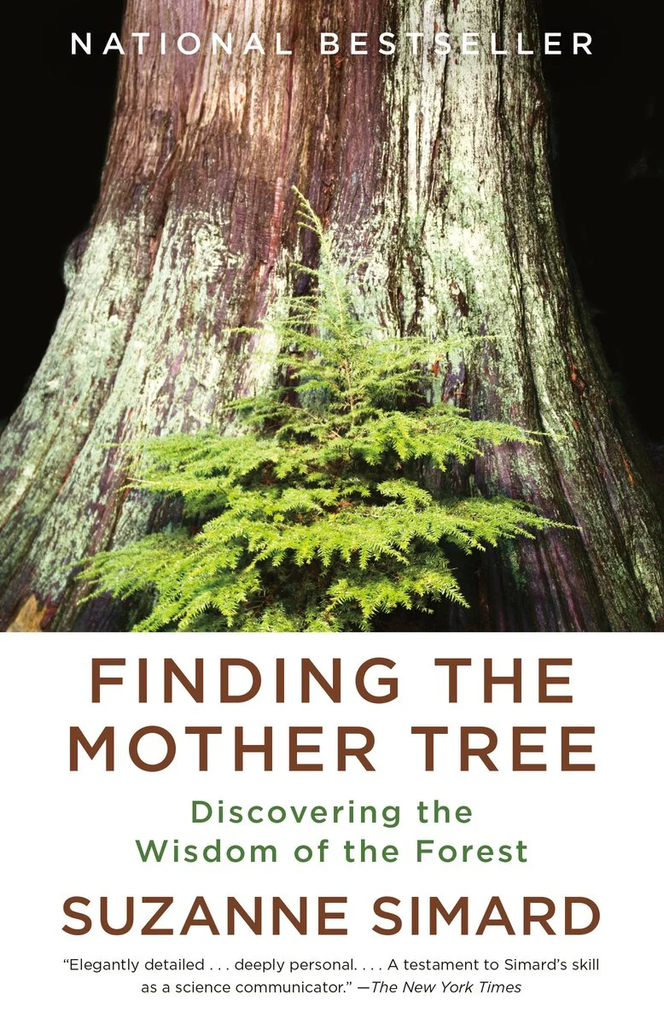
Finding the Mother Tree
By Suzanne Simard
Forest ecologist Suzanne Simard shares the groundbreaking research that transformed how scientists understand forests. Through decades of field work, Simard discovered that trees are connected through underground fungal networks that allow them to share nutrients, signals, and resources. In Finding the Mother Tree, she blends scientific discovery with personal story to show how forests function as deeply interconnected communities.
You will take away: Insight into the underground fungal networks that connect trees; a deeper understanding of forest ecology and cooperation in nature; and a new perspective on how forests function as complex, living systems.
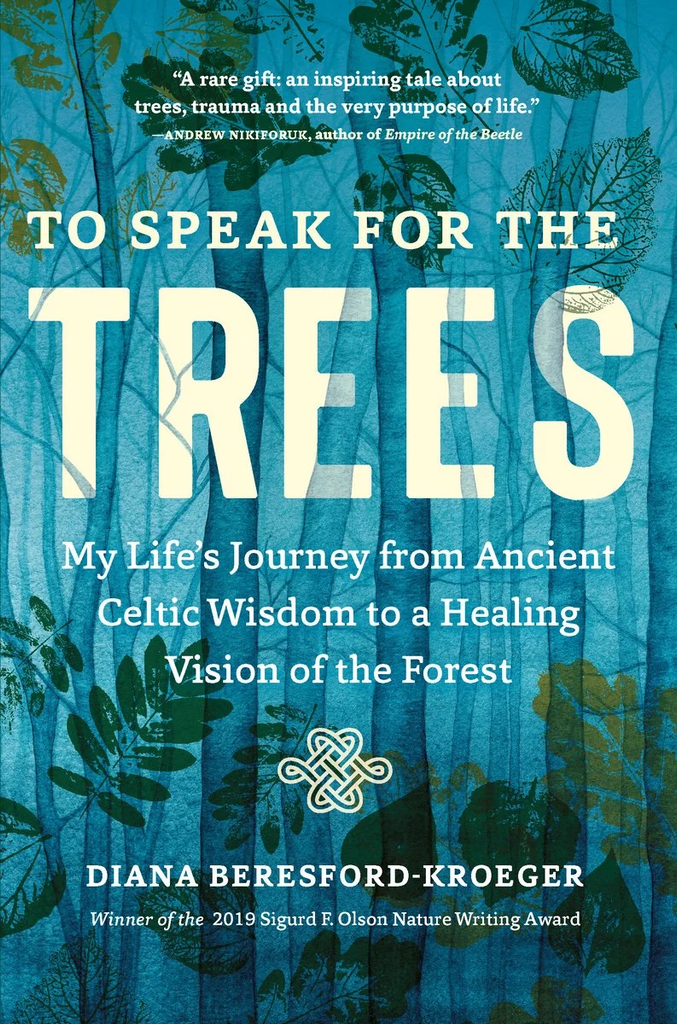
To Speak for the Trees
By Diana Beresford-Kroeger
Botanist Diana Beresford-Kroeger blends memoir, science, and cultural knowledge in this powerful call to protect forests. Drawing on both modern science and traditional ecological knowledge, she explores the ecological importance of trees and the urgent need to restore forests around the world.
You will take away: A broader understanding of how forests sustain biodiversity and climate stability; an appreciation for the cultural and ecological importance of trees; and inspiration to support forest conservation.
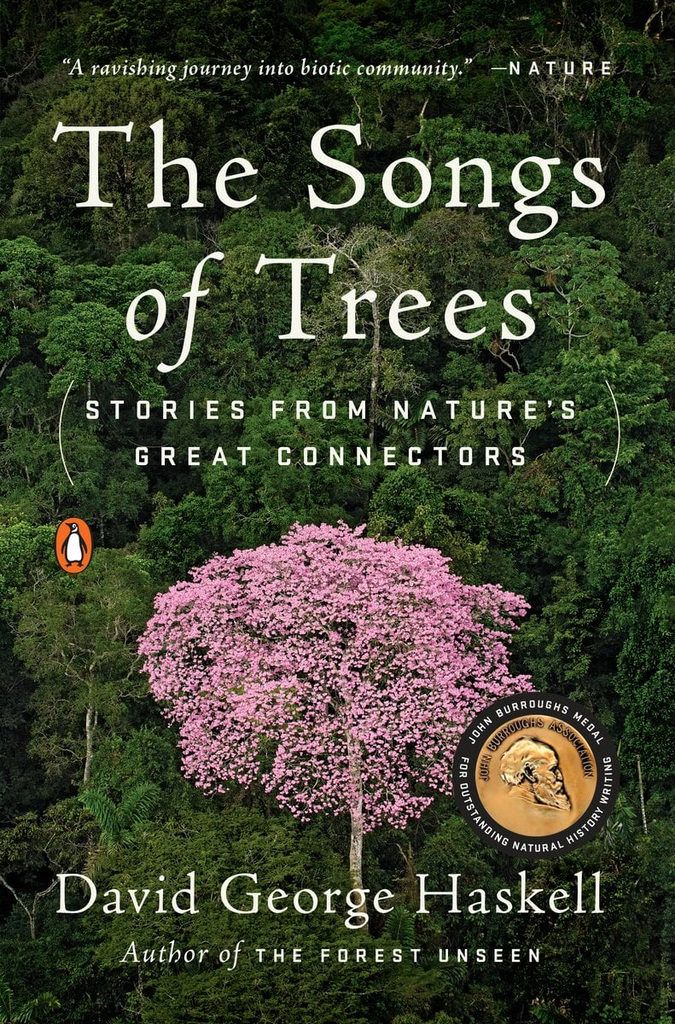
The Songs of Trees
By David George Haskell
In this beautifully written work of science writing, biologist David George Haskell travels to forests around the world to explore how trees interact with their ecosystems. Through careful observation and storytelling, he reveals the hidden connections between trees, fungi, animals, and people.
You will take away: A deeper appreciation for the complexity of forest ecosystems; insight into how trees communicate and interact with their environments; and a renewed sense of wonder for the living communities within forests.
Books about trees offer a deeper understanding of how forests function and why they matter. They remind us that trees are not solitary organisms, but part of intricate ecological communities.
Whether you’re reading about forest ecology, natural history, or personal experiences with trees, these stories can deepen our appreciation for the living landscapes around us.