
At Wild Ones, we’re dedicated to connecting people and native plants. Our Native Plant News blog delivers the latest stories on native plant conservation, scientific discoveries, and habitat restoration from across the nation. This monthly, volunteer-written feature is designed to educate, engage, and inspire action, empowering readers to support biodiversity and promote sustainable landscaping with native flora.
Alabama: Honoring E.O. Wilson’s Legacy
Almost 8,000 acres of wetland and forests in southern Alabama will be preserved thanks to a purchase by The Nature Conservancy. Now called the E.O. Wilson Land Between the Rivers Preserve, after the Alabama-born award-winning scientist who was the pioneer of the sociobiology field and strong proponent of biodiversity, these unique and undeveloped forests, streams, bogs, and swamps will be protected.
The preserve is part of the Mobile-Tensaw Delta and includes the area between the Tombigbee River and Alabama River. These rivers converge to the mouth of the Mobile Bay and then into the Gulf of Mexico. Cypresses (Taxodium spp.), oaks (Quercus spp.), sycamore (Plantanus occidentalis), tupelos (Nyssa spp.), willows (Salix spp.), and more thrive here and keep the soil in place even during the yearly flood cycles. This includes bald cypress (Taxodium distichum) which is the largest cypress tree in Alabama, as well as other massive old-growth trees. Due to the diversity of species found in this area, the place has been called America’s Amazon.
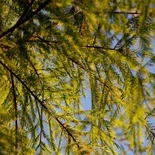
Bald Cypress(Taxodium spp.)
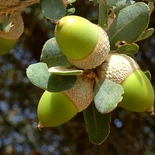
Oak(Quercus spp.)
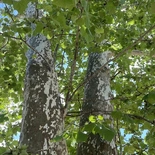
American Sycamore(Platanus occidentalis)
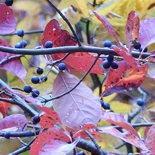
Tupelo(Nyssa spp.)
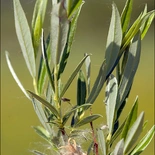
Willow(Salix spp.)
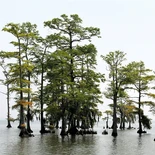
Bald Cypress(Taxodium distichum)
Wilson advocated for protecting half of the land and water on Earth to avoid the looming extinction crisis. The E.O. Wilson Biodiversity Foundation is working to advance that goal by identifying some of the most species-rich areas to conserve. That includes places like the Mobile-Tensaw Delta.
Prairie Dogs = Prairie Heroes
Prairie dogs have the strongest impact on plant and soil chemistry in native grasslands, according to a study last month in the journal Ecology.
Researchers looked at how native grassland herbivores such as prairie dogs, bison, and grasshoppers) and non-native herbivores (cattle) affect seasonal plant and soil chemical patterns and plant biomass in 15 short-grass North American prairies in Montana. They found that prairie dogs increased the amount of nitrogen, potassium, and magnesium found in grasses and increased the amount of nitrogen and carbon found in the soil. The impact that bison and cattle had on these nutrients was smaller but they did increase the amount of phosphorus and magnesium.
The authors speculated that smaller herbivores tend to eat higher-quality vegetation and that their feces has higher concentrations of nutrients such as nitrogen. They also found that the prairie dog impact was highest in places with more grasshoppers. “While the presence of some smaller herbivores such as prairie dogs and grasshoppers may not be as obvious, the impact they have on grassland ecology is considerable,” said Julie Rebh, one of the study authors.
South Carolina: Celebrating Native Plant Week
Signed into law by Governor Henry McMaster in April 2018, the third week in October is designated as South Carolina Native Plant Week. This April, the South Carolina Wildlife Federation and other conservation groups added an additional resolution to “recognize the essential value and importance of South Carolina native plants to the state’s environment, landscape, agriculture, history, and economy, and to encourage state agencies, local governments, and private landowners to use native plants for landscaping, erosion control, and vegetation management whenever possible to promote the viability of migratory and nonmigratory pollinators and to help to preserve South Carolina’s unique flora and fauna.”
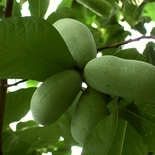
Pawpaw(Asimina triloba)
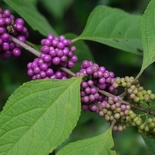
American Beautyberry(Callicarpa americana)
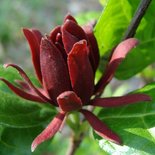
Eastern Sweetshrub(Calycanthus floridus)
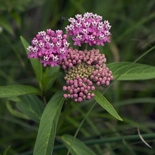
Swamp Milkweed(Asclepias incarnata)
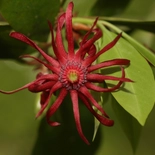
Florida Anisetree(Illicium floridanum)
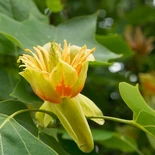
Tuliptree(Liriodendron tulipifera)
Belser Arboretum hosted a plant sale during Native Plant Week which included species such as pawpaw (Asimina triloba), beautyberry (Callicarpa americana), Carolina allspice (Calycanthus floridus), swamp milkweed (Asclepias incarnata), Florida anise (Illicium floridanum), and tulip tree (Liriodendron tulipifera).
Celebrating Native Plant Week-TheColumbiaStar.com
Low Maintenance Groundcovers Become High Maintenance Problems
Touted as low-maintenance groundcovers by nurseries, goutweed (Aegopodium podagraria), lily-of-the-valley (Convallaria majalis), periwinkle (Vinca minor), creeping Jenny (Lysimachia nummularia), English ivy (Hedera helix), Pachysandra spp., wintercreeper (Euonymus fortunei), and yellow archangel (Lamiastrum galeobdolon) are popular to add to gardens and landscaping. However, the cover these species provide can become a huge problem when they escape cultivation and they often do.
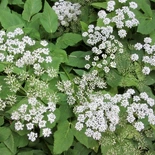
Bishop's Goutweed(Aegopodium podagraria)
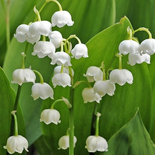
European Lily Of The Valley(Convallaria majalis)
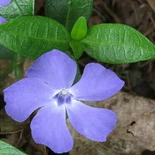
Common Periwinkle(Vinca minor)

Creeping Jenny(Lysimachia nummularia)
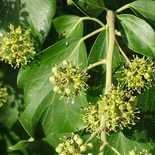
English Ivy(Hedera helix)
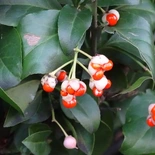
Winter Creeper(Euonymus fortunei)
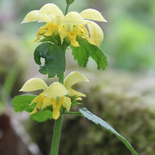
Yellow Archangel(Lamiastrum galeobdolon)
These non-native species form dense mats that can spread via rhizomes or through plant fragments and will crowd out native species. Removal is difficult once well-established to the area. Their vegetation is often toxic to herbivores and seeds are too small to be consumed by birds. Plants can be removed via pulling, solarization, or chemical applications. Native groundcover alternatives include wild strawberry (Fragaria virginiana) and wild ginger (Asarum canadens).
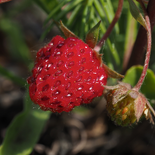
Virginia Strawberry(Fragaria virginiana)
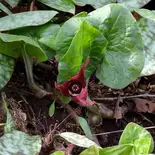
Canadian Wildginger(Asarum canadense)
INVADERS: When ‘low-maintenance’ groundcover becomes ecological mayhem-NewMarketToday.ca
New York: Roots and Rhythm
Native plants at a concert venue? New York City is making that happen! North Brooklyn Parks Alliance is creating more green space underneath the recently finished Kosciuszko Bridge, a 7 acre public park called Under the K which is also a concert venue where famous artists such as Cardi B and Tyler the Creator have performed and the music helps fund all the green space work that is being done.
The area is mostly industrial with warehouses and factories present but now including space dedicated to growing and planting native species and restoring biodiversity in the urban landscape in New York City. Katie Denny Horowitz, the executive director of the North Brooklyn Parks Alliance says the plan is to distribute at least 10,000 of their plants to local schools and community gardens.
Concert venue under Kosciuszko Bridge fuels growth of native plants-NY1.com
California: Providing Safe Crossing to Wildlife
Approximately 5,000 native plants will be planted on the Wallis Annenberg Wildlife Crossing, providing much-needed 1-acre habitat to a path for wildlife to cross safely over Highway 101. The first plants were added to the crossing Tuesday, October 21st, 2025. The plants were grown by the project itself, using more than a million seeds from the region.
The construction of the wildlife crossing began in 2022 over Highway 101 and a second section over Agoura Road was started in 2025. The project will be completed in 2026.
First plants placed on world’s largest wildlife crossing over 101 Freeway-KTLA.com
Canada: Restoring the Land
The largest Indigenous-owned plant nursery in Canada will focus on growing native plants to help in land reclamation to restore areas previously developed for mining and other industries.
Nupqu Resource Limited Partnership, located on Aq’am First Nation, just outside of Cranbrook, British Columbia, has the capacity to grow up to 700,000 seedlings a year and is currently growing a variety of plants, grasses, and shrubs native to the region, including fireweed (Chamaenerion angustifolium), cottonwood (Populus spp.), balsamroot (Balsamorhiza spp.), and sitka alder (Alnus viridis).
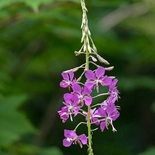
Fireweed(Chamerion angustifolium)
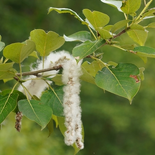
Cottonwood(Populus spp.)
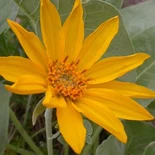
Balsamroot(Balsamorhiza spp.)
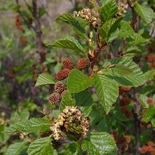
Green Alder(Alnus viridis)
Nupqu has provided plants to Elk Valley Resources mining sites, TC Energy West Pipeline extension, and the Kicking Horse Canyon road project. The nursery also has a hydroponic greenhouse for growing produce for distribution to non-profit organizations and is building partnerships with Indigenous groups and industry to build a collective and support native plant reclamation and research.
Canada’s largest Indigenous plant nursery takes root in the Kootenays-VancouverIslandFreeDaily.com