
Bats are among the most important and misunderstood wildlife in our communities. They are also part of the intricate food webs that connect native plants, insects, water, and healthy landscapes.
Join Wild Ones and experts from Bat Conservation International to explore how native plants, healthy insect populations, and thoughtful landscape choices can help support North America’s night flyers.
Bats in the Backyard
Speakers: Brandi Christiano, PhD, and Megan White
Organization: Bat Conservation International
Date: Wednesday, October 21, 2026
Time: 7 p.m. Eastern | 6 p.m. Central | 5 p.m. Mountain | 4 p.m. Pacific
Location: Online, join the premiere on YouTube and participate in the live chat!
Link provided with registration. This webinar will be recorded and shared with registrants after the premiere.
Cost: Free
About the Webinar
What does a bat-friendly landscape look like?
Supporting bats at home involves more than installing a bat house. Bats need reliable food sources, clean water, safe places to roost, dark travel corridors, and landscapes rich in insect life. Native plants can help form the foundation of this habitat by supporting the moths and other insects many bats depend on.
Research Scientist Brandi Christiano, PhD, and Bat Gardens and Community Conservation Lead Megan White from Bat Conservation International will introduce participants to the lives of bats and the ecological relationships that sustain them. They will explain how bats use home and community landscapes, identify common challenges bats face, and share practical steps people can take to make outdoor spaces safer and more supportive.
Whether you care for a small urban garden, a suburban yard, or a larger property, you will leave with a clearer understanding of how your landscape can contribute to bat conservation.
What You’ll Learn
During this webinar, participants will learn how to:
- Understand the ecological roles bats play in North American ecosystems
- Recognize the habitat resources bats need for feeding, drinking, shelter, and movement
- Use native plants to support moths and other insects that provide food for bats
- Create safer water sources and dark areas where bats can forage and travel
- Consider when and where bat houses may be useful
- Reduce common hazards that can make home landscapes less hospitable to bats
- Make practical habitat improvements in outdoor spaces of different sizes
Presented in Partnership
This webinar is presented in partnership with Bat Conservation International, a global conservation organization working to protect bats and the ecosystems they depend on through research, habitat conservation, education, and community-based action.
Register
Bats in the Backyard
Speakers: Brandi Christiano, PhD, and Megan White, Bat Conservation International
Date: Wednesday, October 21, 2026
Time: 7 p.m. Eastern | 6 p.m. Central | 5 p.m. Mountain | 4 p.m. Pacific
Location: Online, join the premiere on YouTube and participate in the live chat!
Link provided with registration. This webinar will be recorded and shared with registrants after the premiere.
About the Presenters
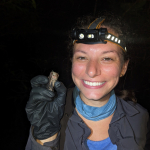
Dr. Brandi Christiano is a behavioral ecologist who has been working with bats for almost 10 years. She recently earned her PhD from the University of Texas at Austin where she combined lab and field work to examine the foraging behaviors of insect and fruit eating bats. She served as a Research Fellow at The Smithsonian Tropical Research Institute where she conducted behavioral experiments with neotropical bats and explored how they use individual and social information about food. She is excited to apply her skills as a field biologist to launch her career in bat conservation. She completed her undergraduate degree from the University of Scranton, where she studied the ecophysiology of timber rattlesnakes and first started working with bats as a field technician.
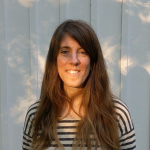
Megan White is an educator and community builder who focuses on creating joyful experiences that inspire people to deepen their relationships with their local ecosystems. Before coming to BCI, Megan managed virtual and in-person community engagement programs at the Library of Congress for nine years. Prior to working at the Library, she taught environmental literature and creative writing at the university level for four years and held a number of other education positions focused on crosscurrents between ecology and the arts. Megan has a Master of Fine Arts in “Creative Writing and Environment” from Iowa State University and a self-designed Bachelors in “Art, Environment, and Community” from New Century College at George Mason University.
About Science at Home
Research-backed actions for healthier home landscapes.
Wild Ones’ Science at Home series brings together national experts to show how conservation science can guide practical native landscaping choices that benefit wildlife, people, and the planet.
Native plants are the foundation. By understanding the relationships among plants, wildlife, soil, water, and ecological processes, we can create landscapes that do more.
Wild Ones connects people and native plants for a healthy planet through education, advocacy, and collaborative action.