
Native plants are the foundation of a healthy landscape, but plants alone are only part of the story. To truly support wildlife, we must think beyond plant lists and consider the full range of resources animals need to survive, reproduce, and thrive.
Join landscape ecologist, Certified Wildlife Biologist, and author Shaun McCoshum, PhD, for an exploration of how natural ecosystems function and how those same ecological principles can be applied in home landscapes. Drawing on more than 20 years of conservation, restoration, and research experience, Shaun will share practical, evidence-based strategies for creating habitat that works for pollinators, birds, amphibians, and other wildlife.
About the Webinar
The Ecology of Home: Creating Habitat That Works
Speaker: Shaun McCoshum, PhD
Date: Wednesday, August 19, 2026
Time: 7 p.m. Eastern | 6 p.m. Central | 5 p.m. Mountain | 4 p.m. Pacific
Location: Online, join live to participate in the chat. A recording link will be shared after the premiere.
A healthy landscape is more than a collection of plants.
Pollinators, birds, amphibians, and other wildlife depend on a range of resources that are often overlooked in conventional garden design. Bare soil may provide nesting habitat for native bees. Fallen leaves and plant stems may shelter insects through the winter. Water, dead wood, dense vegetation, and specialized soil conditions can each support different species and life stages.
Drawing on more than 20 years of experience in ecological restoration, habitat management, and conservation research, Shaun will explain how these pieces work together within an ecosystem. He will also share practical ways to incorporate them into residential landscapes.
Whether you care for a small suburban yard or a larger property, you will leave with a better understanding of how to create habitat that supports biodiversity throughout the year.
What You’ll Learn
Participants will learn how to incorporate features such as nesting habitat, overwintering sites, shelter, water resources, and specialized soil conditions that many species require but are often overlooked in garden design. Whether you manage a small suburban yard or a larger landscape, you’ll discover simple ways to transform your outdoor space into a functioning ecosystem that supports biodiversity throughout the year.
By the end of this webinar, participants will be able to:
- Identify key habitat resources wildlife need beyond food plants.
- Understand how ecological processes shape healthy ecosystems.
- Incorporate nesting, shelter, overwintering, and breeding habitat into residential landscapes.
- Apply practical habitat-building strategies that complement native plantings and support greater biodiversity.
Register
The Ecology of Home: Creating Habitat That Works
Speaker: Shaun McCoshum, PhD
Date: Wednesday, August 19, 2026
Time: 7 p.m. Eastern | 6 p.m. Central | 5 p.m. Mountain | 4 p.m. Pacific
Location: Online
About the Presenter
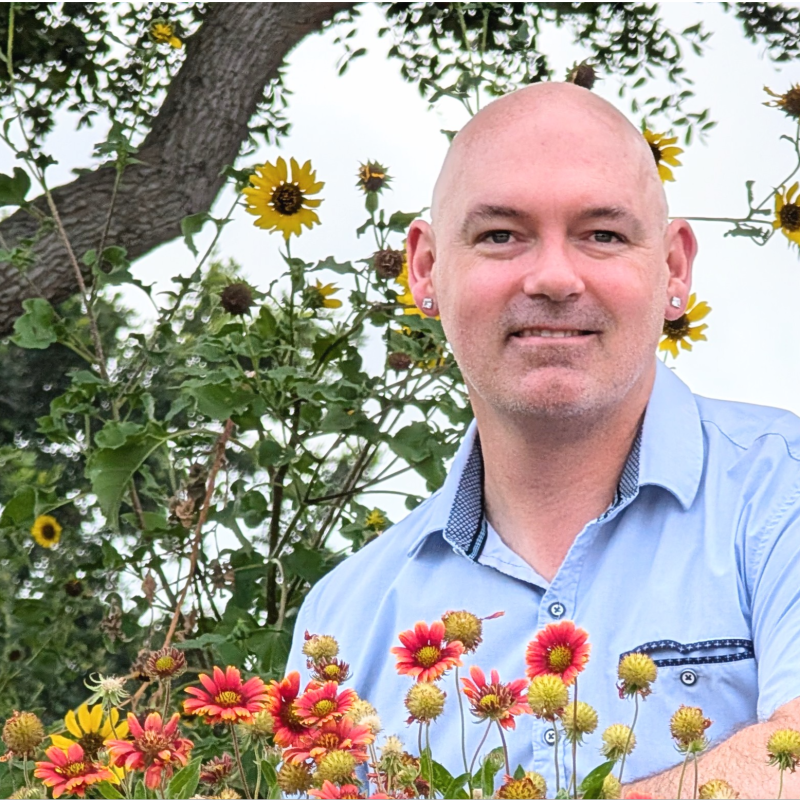
Shaun McCoshum, PhD, is a landscape ecologist, Certified Wildlife Biologist, botanist, conservationist, and author with more than 20 years of experience in ecological restoration, habitat management, and conservation research.
His work has included habitat restoration and planning projects across the United States supporting a wide range of species and ecosystems. Currently a Senior Ecologist, Shaun combines scientific research with practical habitat design to help people create landscapes that support biodiversity.
He is the author of Natural Habitats and Wildlife Gardening: Inviting Nature into Your Backyard and a frequent speaker on wildlife habitat, pollinator conservation, and ecological gardening.
About Science at Home
Research-backed actions for healthier home landscapes.
Wild Ones’ Science at Home series brings together national experts to show how conservation science can guide practical native landscaping choices that benefit wildlife, people, and the planet.
Native plants are the foundation. By understanding the relationships among plants, wildlife, soil, water, and ecological processes, we can create landscapes that do more.
Wild Ones connects people and native plants for a healthy planet through education, advocacy, and collaborative action.