
Wild Ones is pleased to announce that its 2026 Seeds for Education Grant program has awarded $10,000 to 22 organizations across 17 states. This year’s awardees represent schools, tribes, nonprofits, science centers, and youth organizations across the country, all working to connect young people with native plants and natural landscapes through hands-on learning.
“This garden is not just about plants; it’s about cultivating stwardship, curiosity, and community.” wrote Thomas Acri, teacher at Trumbell Agriscience and Biotechnology Center. Their 550-square-foot garden project will be integrated into the curriculum serving middle and high school students in southwestern Connecticut, many of whom come from urban or suburban communities with limited access to natural spaces.
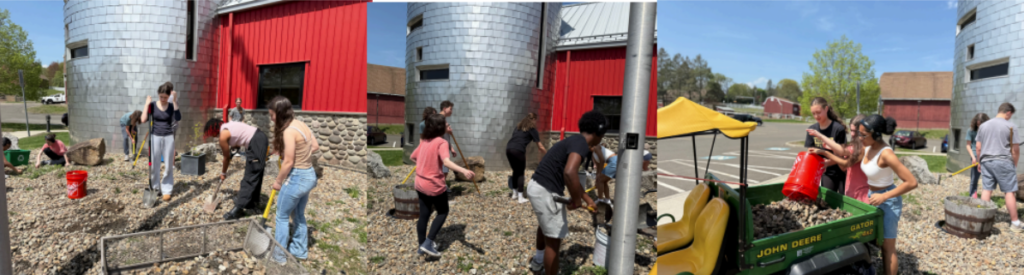
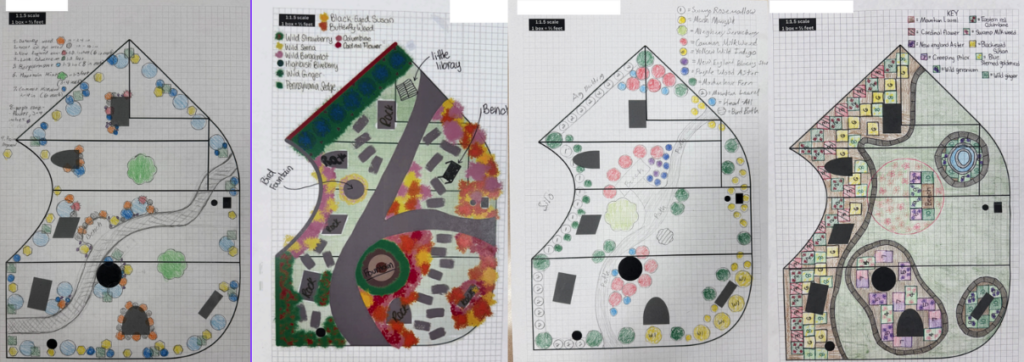
Students will engage in hands-on learning experiences that include plant identification, ecological monitoring, soil testing, and pollinator observation. Students have already been involved in the project, beginning to remove the landscaping rocks that currently cover the site and creating their own plans for how the garden should look.
At the Nooksack Indian Tribe Education Department offices in Washington, youth will cultivate a 414-square-foot Native Berry Garden designed to integrate Indigenous ecological knowledge with Washington State science standards. Led by Youth Academic Intervention Specialist Susan Correia in collaboration with the Nooksack Cultural Department and tribal elders, the project centers fourth through sixth grade students in planning, planting, harvesting, and long-term stewardship.
“Our overall goal is to engage students in the implementation of indigenous knowledge while integrating Washington State Standards aligned and culturally sensitive curriculum,” Correia shared.
Students will conduct soil chemistry testing, prepare the site for planting, and plant native berries and fruits. Throughout the year, youth will participate in seasonal harvesting and culturally rooted lessons through the Tend, Gather, Grow curriculum.
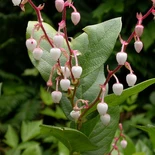
Salal(Gaultheria shallon)
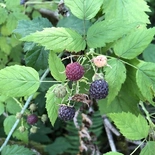
Whitebark Raspberry(Rubus leucodermis)
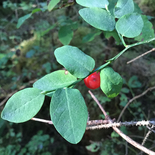
Red Huckleberry(Vaccinium parvifolium)
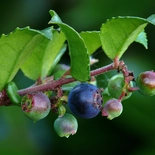
California Huckleberry(Vaccinium ovatum)
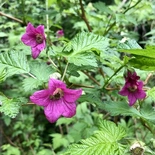
Salmonberry(Rubus spectabilis)
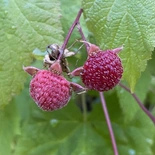
Thimbleberry(Rubus parviflorus)
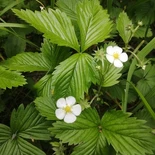
Woodland Strawberry(Fragaria vesca)
“This native garden project is important to the Nooksack Indian Tribe Youth Community for a variety of reasons, the largest of which is the opportunity to bring together our youth and elders, reinforcing cultural knowledge and traditions surrounding plant cultivation.”
Beyond food production, the garden will also function as pollinator habitat and a site for traditional teachings. “It will enhance learning through seasonal harvesting, native plant identification, and food sovereignty practices. This will allow us to teach ecological balance and traditional stories about pollinators.”
The Lorrie Otto Seeds for Education Program honors Wild Ones’ founding inspiration, Lorrie Otto, who helped spark the native plant school garden movement decades ago. For nearly 30 years, this donor-funded program has provided grants ranging from $100 to $500 to youth-centered projects rooted in native plants.
2026 Seeds for Education Grant Recipients:
- Cedar Ridge Elementary — Georgia
- Trumbull Agriscience and Biotechnology Center — Connecticut
- Southlawn Middle School with Collaborative Communities Learning Labs — Alabama
- Hiawatha Elementary School — Minnesota
- Rolla Outdoor Collaborative School — Missouri
- Nooksack Indian Tribe Education Department — Washington
- Pine Valley Outdoor Science — California
- We Got This — Wisconsin
- Jefferson Marine Science Magnet Elementary School — Connecticut
- The Center for Discovery, Inc. — New York
- Tracy Aviary — Utah
- Bush Hill Elementary Garden Club — Virginia
- Potter Park Zoological Society — Michigan
- North Syracuse Central School District — New York
- Turner Station Conservation Teams, Inc. — Maryland
- Harrisburg Youth Council — North Carolina
- Sage Valley, Inc. — Indiana
- Bert H. Fulton School — Illinois
- Brooklyn Public School 9 PTO — New York
- East Central Illinois Master Naturalists — Illinois
- Moore Montessori Community School — North Carolina
Across the country, educators emphasized how critical access to nature is for their students. “Many of our students have limited access to nature outside of school, making outdoor learning experiences especially meaningful,” one applicant shared. For many awardees, these gardens are not enrichment activities — they are essential spaces where youth can experience biodiversity firsthand.
The Lorrie Otto Seeds for Education Grant is a 100 percent donor-funded program. This year, Wild Ones received over $60,000 in total requests — far exceeding available funding.
“When students see pollinators returning to a space they designed and planted, they understand that they can make a positive impact on the world around them.”
-Megan Robinson, Cedar Ridge Elementary
With your support, we can expand access to native plant education and help youth-serving organizations across the country build outdoor classrooms rooted in biodiversity, stewardship, and community.