
If you’re just starting out with native plants, you might be overwhelmed by the options. Thankfully, some native plants are incredibly forgiving, widely adaptable, and easy to grow. Here’s a curated list of ten widely adaptable species. These selections are known for their broad geographic native range, are generally widely available for purchase and generally thrive in diverse conditions.
Getting started doesn’t mean transforming your entire yard overnight. In fact, research shows that even small steps, like planting a single native wildflower or shrub, can begin to make a difference. While one plant won’t restore an entire ecosystem, it can provide food or shelter to a specific insect, help reconnect fragmented habitats, and be the spark that ignites your native plant journey.
Planting your first native plant gives you an easy win. It’s a moment of participation. A way to start observing, learning and connecting with the landscape in a new way. So whether you’re planting in your own yard, a container on a balcony, a shared community space, or helping tend a local park or school garden, you’re part of something bigger.
Use this list as a jumping-off point to plant something. Pay attention. And let that first step lead to the next.
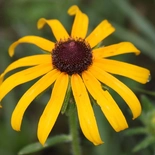
Blackeyed Susan(Rudbeckia hirta)
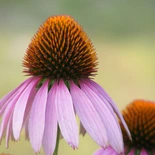
Eastern Purple Coneflower(Echinacea purpurea)
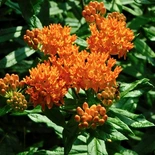
Butterfly Milkweed(Asclepias tuberosa)
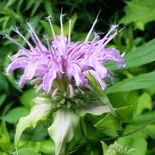
Wild Bergamot(Monarda fistulosa)
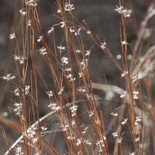
Little Bluestem(Schizachyrium scoparium)
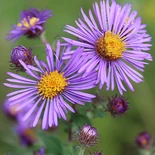
New England Aster(Symphyotrichum novae-angliae)
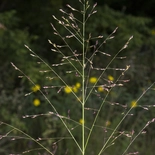
Switchgrass(Panicum virgatum)
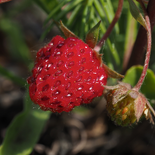
Virginia Strawberry(Fragaria virginiana)
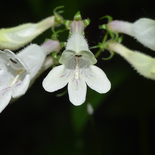
Foxglove Beardtongue(Penstemon digitalis)
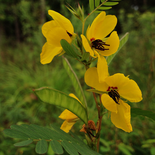
Partridge Pea(Chamaecrista fasciculata)
Sourcing Your First Native Plant
Once you’ve chosen a plant or two to get started with, the next step is finding a good place to buy them. You might see familiar names like coneflower or black-eyed Susan at big-box stores, but be aware that not all plants labeled “native” are the same! Many have been bred into cultivars or nativars—versions selected for traits like double flowers, unusual colors, or compact shapes.
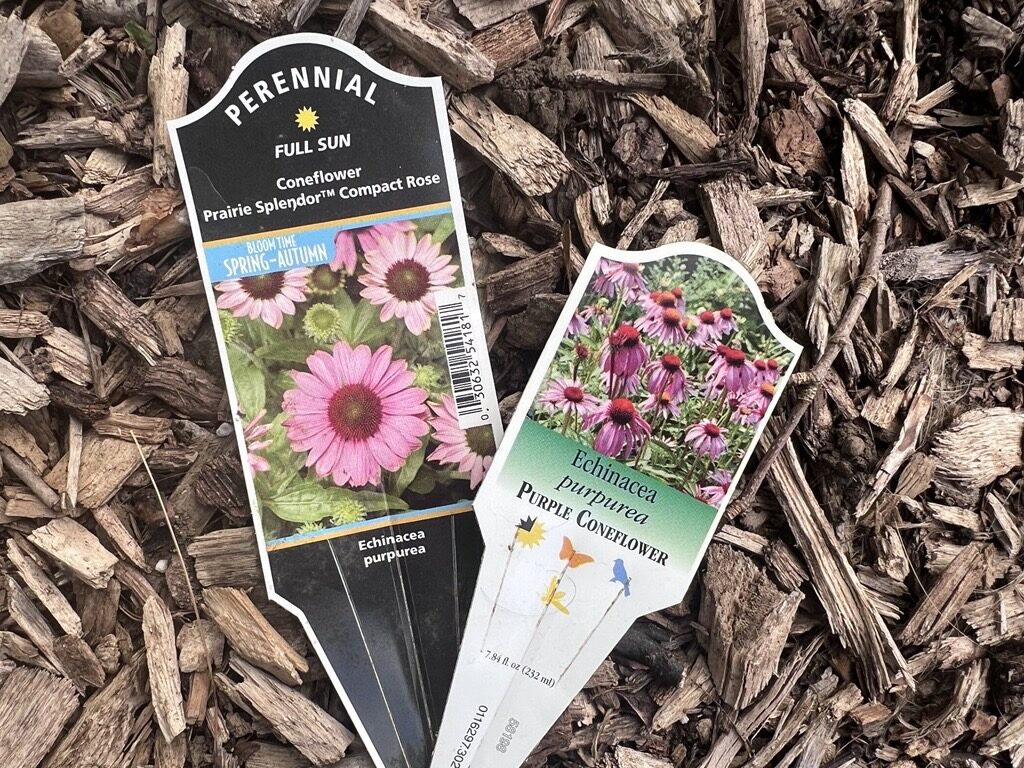
For the best ecological benefit to birds, bees, and butterflies, look for straight species at native plant nurseries, Wild Ones chapter sales, or conservation district events. Ask for plants by their scientific name to be sure, and don’t be afraid to ask questions. Learn more about The Importance of Local Genotype.
This list is just the beginning of your native plant journey. Once you’ve seen a monarch caterpillar on your milkweed, watched goldfinches feed on your coneflower’s seedhead, or uncovered a firefly larva in your leaf litter… you’ll be hooked.
As you gain confidence, you’ll begin to think differently about your space. You’ll notice which plants bloom when, who visits them, and how they change over time. You might replace more turfgrass. You might learn which native grasses support overwintering insects. You might even become someone others turn to for advice. That’s the beautiful cycle of a native planter: from curious beginner to confident steward, growing with your landscape.
At Wild Ones, we believe that change starts small, but it spreads through action, education, and community. We’re here to support you at every stage. Whether you’re working in your own backyard, tending a container garden, or helping at a school or neighborhood greenspace, you’re part of a movement to restore biodiversity—one plant, one person, one place at a time.
Need help along the way? Visit our Getting Started Guide for step-by-step advice and connect with a local chapter to find a hands-on, supportive community. Our mission is to promote native landscapes through education, advocacy, and collaborative action—because a healthy planet starts with native plants.
Just dig in. You’ve already taken the first step.