
It is hard to imagine that the Anishinabek Foraging Meadow and Medicine Wheel Garden at Historic Barns Park in Traverse City, Michigan, was just planted. With towering stalks of white sage (Artemisia ludoviciana) swaying in the wind, an explosion of golden flowers throughout the landscape and blooming blazing star (Liatris sp.) attracting droves of monarchs, the garden feels like it has been here forever. It has been an honor to work on such a unique and inspiring native garden development. Situated at the site of the former farm of the Northern Michigan Asylum, the botanic garden boasts 12 feature gardens ranging from the Walled Garden that was once the horse stables, to a Firewise Garden with plants to use as natural fire breaks in the landscape, and even a magical fairy forest for children of all ages to explore.
While each of these gardens has a clear message and intention, it is a recent garden expansion in the 2-acre Judith Groleau Healing Garden that provides a living example of how we can heal the land and our community through the power of plants.
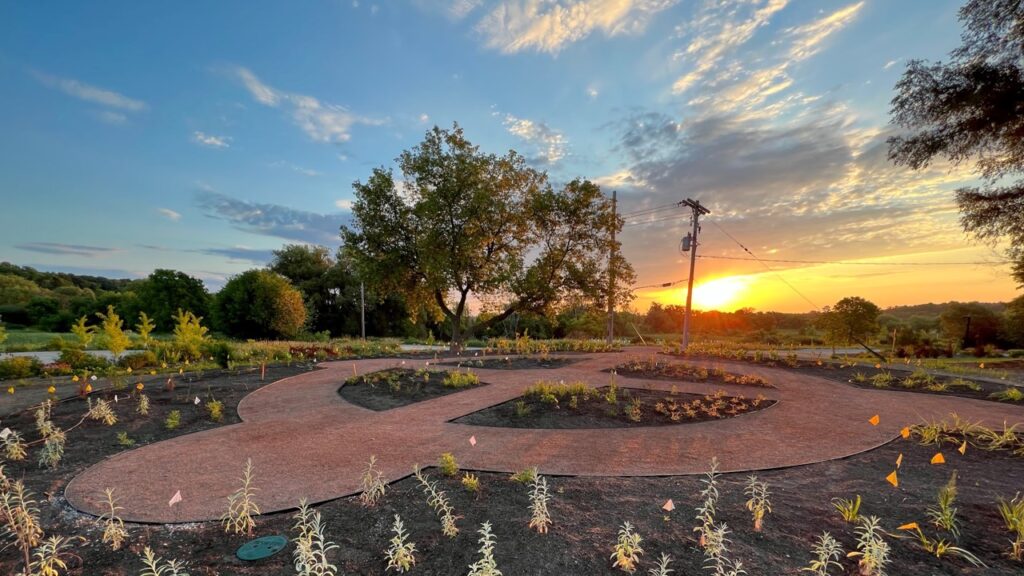
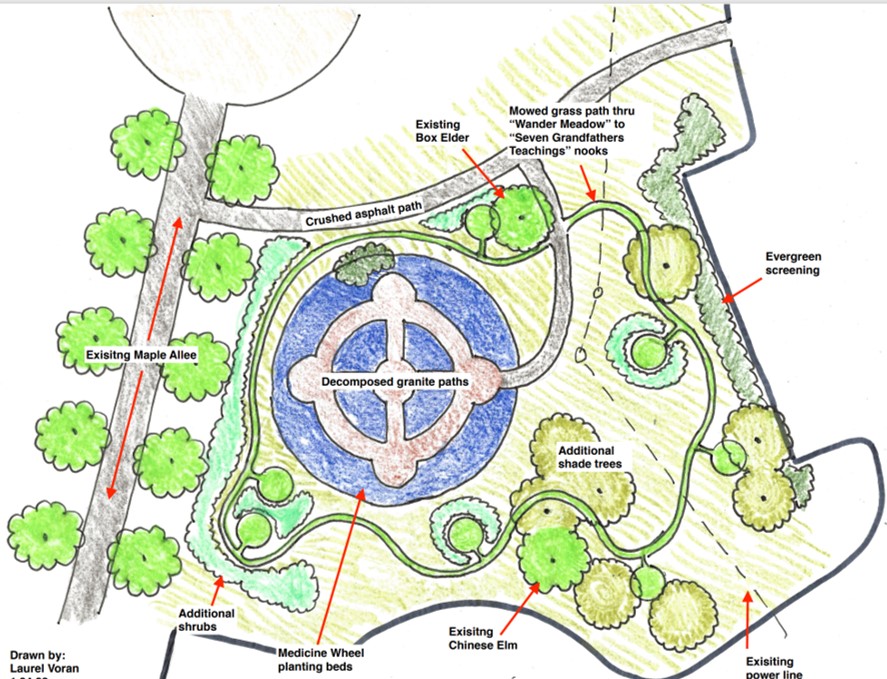
When I started my journey as the executive director at The Botanic Garden at Historic Barns Park in Traverse City, I had the opportunity to help advance the vision for a new garden featuring exclusively native plants that was co-developed with members of the Grand Traverse Band of Ottawa and Chippewa Indians (GTB). JoAnne Cook and Tera John shared their knowledge with us throughout the entire process and informed us about the Anishinabek culture and the role that plants play in their culture. Their support and leadership have led to the installation of a traditional medicine wheel, the interpretation of the seven grandfather teachings with the empowering artwork of local artist Rik Yannott, as well as the curation of plants that are culinarily, spiritually and medicinally important for the tribe. An appreciation for each species and its deeper connection to the ecosystem was fundamental when Horticulture Consultant Laurel Voran, Landscape Architect Maria Tucker and I were laying out the footprint and plant combinations of the garden with the goal of creating a space where we can invite tribal community members to come and forage/harvest from the collection. Laurel worked diligently to lay out the initial plan and made several iterations of the design based on her research and a series of design charettes with Tera and JoAnne.
One of the biggest challenges was working with the existing soil conditions, which are primarily gravely and sandy remnants of the glacial movement that carved out the bays in Traverse City. They are incredibly alkaline with soil pH reaching over 8, less than 1% organic matter content, extremely low cation exchange capacity, and little to no water retention. We also had a landscape that was inundated with four incredibly aggressive invasive species: smooth brome (Bromus inermis), spotted knapweed (Centaurea stoebe), field bindweed (Convolvulus arvensis) and bladder campion (Silene vulgaris); the land had previously been used for cattle grazing and potato farming. We implemented an aggressive cover cropping schedule to try to recover the planting area from this tapestry of weeds without the use of herbicides using nonnatives crimson clover (Trifolium incarnatum), sunflower (Helianthus spp.), buckwheat (Fagopyrum esculentum) and daikon radish (Raphanus sativus var. longipinnatus), as well as alternating solarization and smothering strategies. Ultimately, we have been able to help heal the land, but it has been a massive volunteer effort to keep the invasive weeds at bay.
We approached the project with the goal of transforming the site into a series of transitions from a variety of plant communities including short grass meadows, deciduous forest, tall grass prairies, dunes and open barrens. Utilizing plant combinations to blend the ecotones of northern Michigan has allowed us to show the diversity of the region while maintaining the harmony and aesthetics of a cultivated garden.
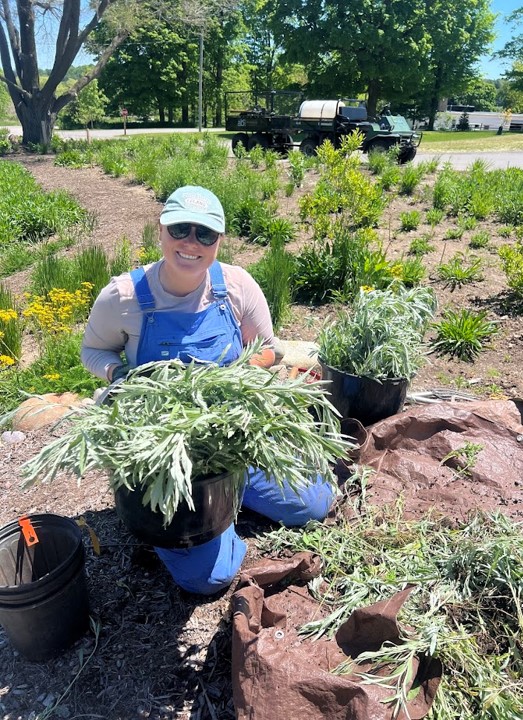
The garden was planted primarily with landscape plugs (trays of 32, 38, and 50) sourced from regional growers. If you have not had the pleasure of planting with plugs, I highly encourage it! The price for individual plants is far lower than gallon-sized perennials and their growth often surpasses the larger plants quicker if given proper moisture during establishment. It was an amazing undertaking with more than 100 volunteers, school children and community members coming out to help us install the garden, which included an educational opportunity for Tera to teach us about the ways in which the Anishinabek community celebrates the planting of our plant relatives.
The initial planting was successful and nearly all the 3,500 plugs that were installed are now thriving in their new home. In addition, we have enacted a maintenance strategy where we actively continue to plug more plants into the landscape as we weed the new garden. This approach allows us to supplement the initial plantings and see what plants are thriving in our conditions. Since we first started the planting process in August 2022, we have now planted over 5,500 individual plants including a layer of trees, shrubs and evergreens.
A series of warm and cool season grasses bring harmony to the interwoven herbaceous plantings. One of the highlights of the mix is Junegrass (Koeleria macrantha). It provides early season structure as one of the first plants to “green up” in the spring, produces elegant flowers in June (or this year early May), then holds its seed heads throughout the remainder of the season. I have also noticed how much better it grows in our dry, barren soils than I have ever experienced in well drained gardens soils.
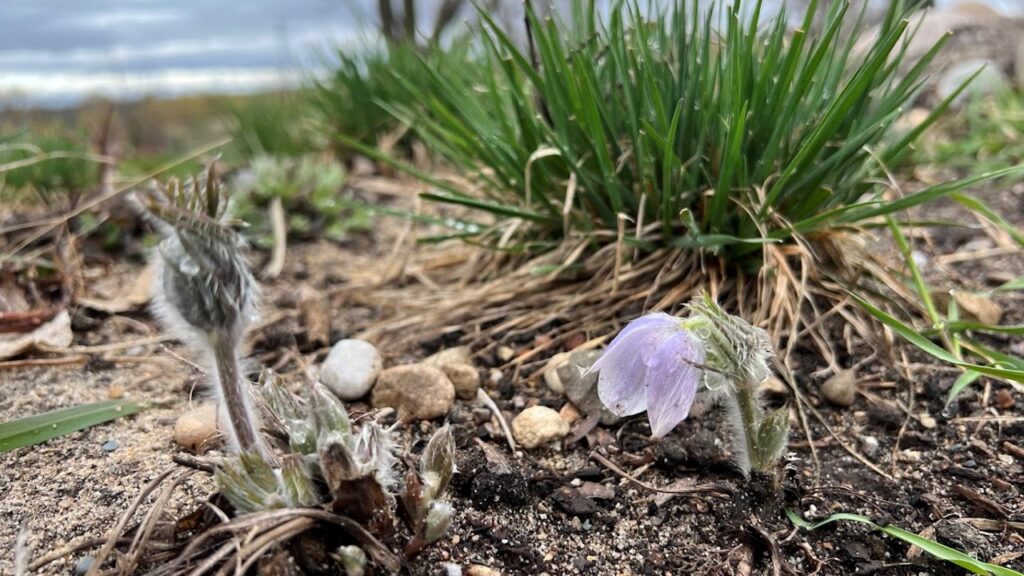
Another plant that is dispersed throughout the garden is native yarrow (Achillea millefolium), which we have both planted and have had come back from the existing seedbank. Its tufts of foliage provide a visual contrast to many of the other broadleaf plants and help guide visitors along the path in the foraging meadow. There is also a small handful of nonnative plants within the garden which include sacred tobacco (Nicotiana rustica), a lime green flowering variety that has been used for millennia, and plantain (Plantago sp.), which is used to tell the story of the early settlers and how it has been adapted for use as a pot herb and poultice. The collection includes some of the more obscure plants like figworts (Scrophularia spp.), birdsfoot violet (Viola pedata), trailing arbutus (Epigaea repens) and pasqueflower (Pulsatilla spp.).
The Medicine Wheel and Foraging Garden is a place of learning and outreach. We continuously have new visitors say that they are blown away by its beauty and touched by its message. We have offered a series of programs focused on the harvest and use of many of the plants in the garden taught by Tera and other members of the GTB. Horticulturally, the garden offers a place for landscapers and gardeners to see the resilience of our native plant palette and explore the many applications of plants not well known in the trade like leatherwood (Dirca palustris), sweet fern (Comptonia peregrina), field pussytoes (Antennaria neglecta), golden ragwort (Packera aurea) and bush honeysuckle (Diervilla lonicera). While they may not be well known as landscape plants just yet, each of them presents a niche that landscape designers and gardeners grapple with, like finding out what will grow in lean, dry, sandy soils or finding the right plants for use as a “living mulch.”
The conversion of the once blighted property into a thriving native garden is a testament to the power of native plants to overcome adverse conditions and, with a little help, inspire the next generation of gardeners. As these plants continue to grow, they are helping us cultivate an atmosphere of healing and a platform for the Anishinabek to tell their story to a broader audience. I want to extend our sincere thanks and gratitude for everyone who has made this garden a living sanctuary for people, plants and culture.
Featured Plants
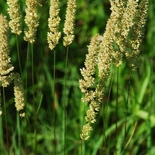
Prairie Junegrass(Koeleria macrantha)
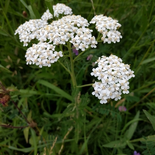
Common Yarrow(Achillea millefolium)
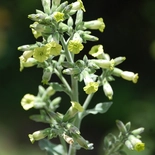
Aztec Tobacco(Nicotiana rustica)
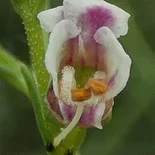
Figwort(Scrophularia spp.)
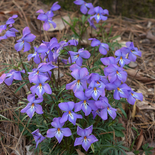
Birdfoot Violet(Viola pedata)
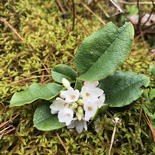
Trailing Arbutus(Epigaea repens)
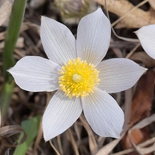
Eastern Pasqueflower(Pulsatilla patens)
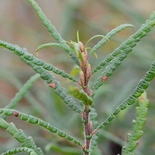
Sweet Fern(Comptonia peregrina)
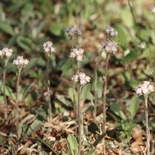
Field Pussytoes(Antennaria neglecta)
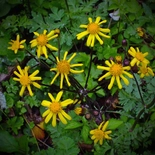
Golden Ragwort(Packera aurea)
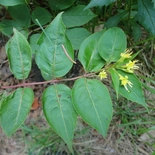
Northern Bush Honeysuckle(Diervilla lonicera)
This is an excerpt from the Wild Ones Journal
Current members can log in to read the latest issue or check out the Journal Archives.
Ross, M. (2024). Planting with a purpose: The Anishinabek medicine wheel and foraging meadow. Wild Ones Journal, 37(3), 8-10.