
In June 2023, we stood in a patch of dirt at Cedar Cliff Nature Preserve, near Rockford, Illinois, sifting through soil that once supported Bell Bowl Prairie. Alongside volunteers and staff from the Friends of Illinois Nature Preserves and the Forest Preserves of Winnebago County, we documented plant species present. Just months earlier, this soil had been part of an 8,000-year-old prairie, one of Illinois’ last remaining ancient gravel prairies, bulldozed to make way for an airport expansion.
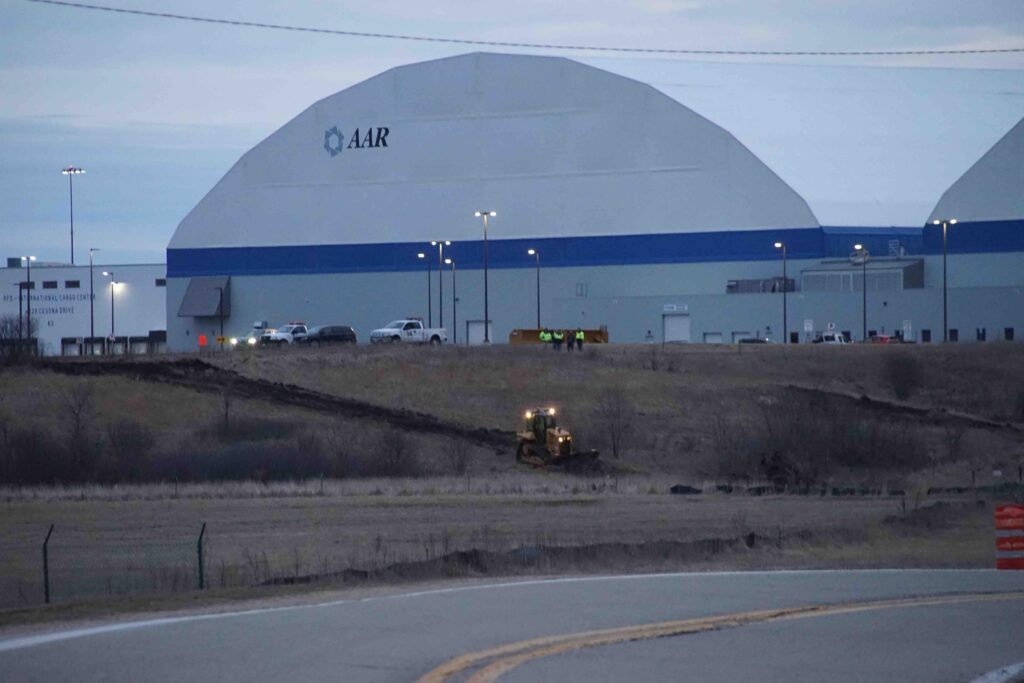
The fight to save Bell Bowl Prairie drew thousands into action, delaying its destruction for nearly two years. Despite legal challenges, protests, and alternative proposals, the prairie was ultimately lost. This raises an uncomfortable but necessary question: What happens when advocacy isn’t enough? Conservation movements often highlight victories, but there is value in examining failures. This article explores the efforts to save Bell Bowl, why they fell short, and what was done to salvage what remained. Most importantly, it asks how conservationists can channel this momentum into protecting other critical native habitats before they meet the same fate.
The Significance of Bell Bowl Prairie
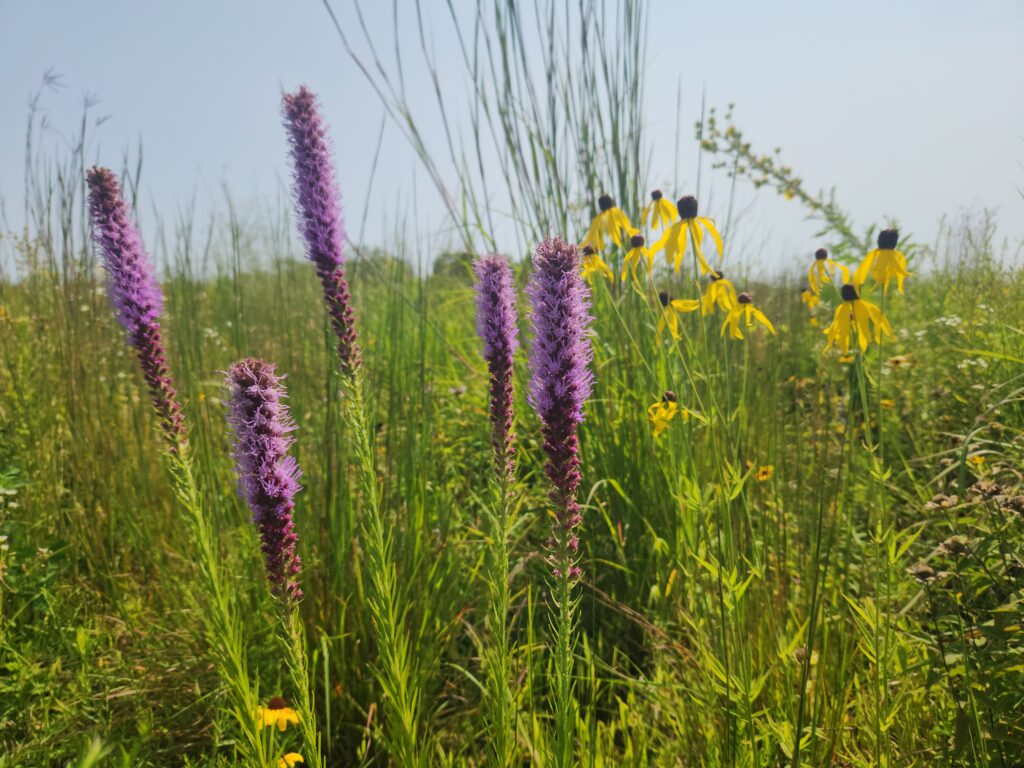
Before its destruction, Bell Bowl Prairie was a rare and irreplaceable ecosystem. Designated as a Category I Illinois Natural Areas Inventory (INAI) site, one of the highest-quality natural areas in the state, it supported undisturbed plant communities that had persisted since the last Ice Age. The federally endangered rusty patched bumblebee was even observed there in 2021, briefly giving conservationists hope for legal protections. However, the U.S. Fish and Wildlife Service ruled that there was sufficient habitat elsewhere, and no protection was granted.
Prairie once covered 22 million acres of Illinois, but today, less than 2,500 acres of remnant prairie remains. Gravel prairies, like Bell Bowl, are even rarer. Though a small portion of Bell Bowl Prairie still exists, it is now fragmented and under the care of the Rockford Airport Authority, raising concerns about its long-term survival.
The Fight Against Development
The battle over Bell Bowl Prairie began when Chicago Rockford International Airport (RFD) announced a major expansion, including the Midfield Cargo Expansion Project and the construction of a new road. The Greater Rockford Airport Authority (GRAA) received Federal Aviation Administration (FAA) approval, clearing the way for construction.
Conservation groups, ecologists, and Illinois residents immediately pushed back, arguing that the prairie was irreplaceable and that alternative designs could spare it. Thousands signed petitions, attended public meetings, and wrote to officials. The Natural Land Institute (NLI), which had managed Bell Bowl for years, even filed a motion to halt construction, but it was denied.
For nearly two years, public pressure and legal challenges delayed demolition. In 2022, supporters rallied outside an Illinois courthouse and organized a protest outside Governor J.B. Pritzker’s home in Chicago. Advocates argued that the presence of the rusty patched bumblebee should have protected the prairie, but ultimately, economic interests prevailed. By the end of 2022, bulldozers arrived, and Bell Bowl Prairie was reduced to dirt.
Salvaging What Remained
When it became clear that Bell Bowl Prairie would be lost, conservation groups pivoted to salvaging what they could. The Forest Preserves of Winnebago County, the Illinois Department of Natural Resources (DNR), and the Illinois Nature Preserves Commission collaborated with the Rockford Airport to recover soil, plants, and ecological material in hopes of preserving some of its biodiversity.
One of the largest efforts involved moving 20 dump trucks of soil to Cedar Cliff Nature Preserve. This wasn’t just about saving dirt- the hope was that Bell Bowl’s seed bank, bacteria, fungi, and other microscopic life would take hold in their new home, potentially reestablishing prairie habitat over time. Additionally, plants found in the salvaged soil were carefully potted and taken to Severson Dells Nature Center for monitoring and care.
Learn more about the efforts to rescue the plants from Bell Bowl Prairie in this video with Mike Brien, Director of Natural Resources for the Forest Preserves of Winnebago County.

Signs of Resilience
Efforts to track what survived began soon after the relocation. In June 2023, Friends of Illinois Nature Preserves and the Forest Preserves of Winnebago County hosted a bioblitz at the relocated site to document any regrowth. Volunteers discovered violet wood sorrel, a species not previously recorded at Cedar Cliff, suggesting the relocated soil was already supporting new growth.
We participated in this survey, working alongside conservationists to document plant life. Since then, we’ve returned twice to check on its progress. With each visit, additional plant species have emerged, offering a glimmer of hope that Bell Bowl’s ecosystem may persist in its new location.
Why Advocacy Failed
Despite a passionate and well-organized effort to save Bell Bowl Prairie, advocacy alone was not enough. Several key factors contributed to this loss:
- Lack of Legal Protections – Despite being a Category I INAI site, Bell Bowl Prairie never had formal protected status, leaving it vulnerable to destruction.
- Institutional Barriers – The airport expansion had the backing of the FAA and state agencies. Legal challenges to halt construction faced significant obstacles and were ultimately unsuccessful.
- Public Engagement Wasn’t Enough – While thousands rallied, signed petitions, and protested, even outside Governor Pritzker’s home, economic and political forces ultimately outweighed conservation concerns.
The loss of Bell Bowl Prairie serves as a harsh reality check: awareness and advocacy alone cannot always overcome deeply entrenched systems that favor development.
What We Learned from Bell Bowl Prairie
Although most of Bell Bowl Prairie was ultimately lost, the fight to save it had lasting impacts. The campaign introduced thousands of people to the urgency of prairie conservation, inspiring continued activism for other endangered landscapes. Many of those involved have since turned their attention to protecting other threatened natural areas across the state.
The Bell Bowl Prairie campaign proved that people care deeply about preserving their natural heritage. While it did not end in victory, it demonstrated that public pressure can delay development, raise awareness, and build momentum for future conservation efforts.
The loss of Bell Bowl Prairie was devastating, but not a total defeat. While the prairie itself is gone, its legacy endures in the lessons learned, the soil and plants relocated, and the movement it inspired. The fight to save Bell Bowl may have failed, but the battle to protect Illinois’ remaining prairies, and native landscapes across the country, is far from over.