
The most inviting prospect of a woodland stroll must be the treasure of a berry harvest. Prickly pokes and a few pesky bug bites are an even trade for the juicy jewels of the land. Berries beckon with the promise of sweetness and challenge you to respect boundaries.
Telling time by wild food harvest is woven into all humans’ biological clocks. There is an American folk song that points to this titled “Hopalong Peter.” The lyrics go “Hopalong Peter, won’t you bear in mind, I ain’t coming back to the gooseberry time.”
Giving rhythm to your life in cycle with the seasonality of food goes deep into your bones. Besides memories of morel hunting with my father, nothing conjures a snapshot in time, like the ripening of wild blackberries (Rubus spp.). It is a reminder of the days when I was courting my spouse. The smell, taste and color of my fingers during harvest brings it all back.
Berries have been a staple of the Indigenous peoples of North America for all of history. The seasonal abundance, medicinal qualities, spiritual significance and trading importance made and keeps berries a central food source.
“Berry” is a colloquial term used for any smallish fruit growing on a bush like cranberry (Vaccinium subg, Oxycoccus) or elderberry (Sambucus spp.). Botanically speaking, berries are fleshy fruit growing from a single ovary or single flower like mayapple (Podophyllum peltatum). Culinary berries include aggregate fruits that have a single flower with many ovaries or clumps of berries such as strawberries (Fragaria spp.), mulberries (Morus spp.) and salmonberries (Rubus spectabilis). Some “berries” like juniper (Juniperus spp.) are not fruits at all, but rather female seed cones from an evergreen.
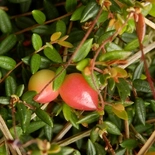
Small Cranberry(Vaccinium oxycoccos)
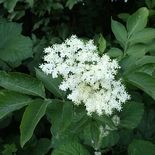
Elderberry(Sambucus spp.)
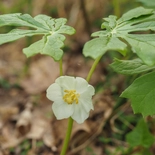
Mayapple(Podophyllum peltatum)
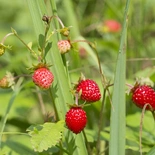
Strawberry(Fragaria spp.)
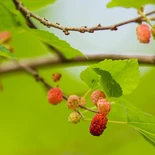
Mulberry(Morus spp.)
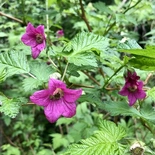
Salmonberry(Rubus spectabilis)
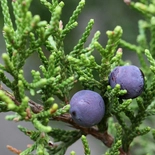
Juniper(Juniperus spp.)
However, the diversity of edible native berries is vast. From the scorching deserts come the saguaro cactus (Carnegiea gigantea) fruit, prairies are prolific in buffalo berries (Shepherdia spp.), mountains ripen berries by the gallons, and the Arctic tundra hosts crowberries (Empetrum nigrum) and cloudberries (Rubus chamaemorus). Bog dwellers, like cranberries, have a place on almost everyone’s fall harvest menu. The juniper and sloe berry (Prunus spinosa) had a central role in the flavor profiles during alcohol prohibition. Further examples of abundant and delicious native berries include serviceberry (Amelanchier spp.), blackcap raspberry (Rubus leucodermis), blackberry, fox grape (Vitis labrusca), blueberry (Vaccinium spp.), mulberry, salmonberry, black currant (Ribes nigrum), gooseberry (Ribes hirtellum), spicebush (Lindera benzoin), chokecherry (Prunus virginiana), mayapple, dewberry (Rubus flagellaris), persimmon (Diospyros virginiana) and pawpaw (Asimina triloba).
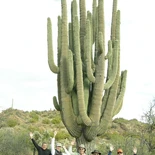
Saguaro(Carnegiea spp.)
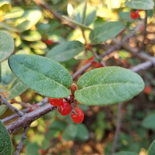
Buffaloberry(Shepherdia spp.)
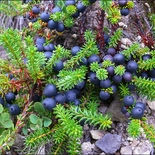
Black Crowberry(Empetrum nigrum)
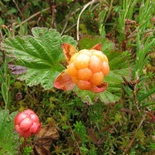
Cloudberry(Rubus chamaemorus)
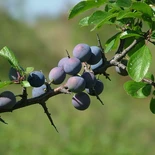
Blackthorn(Prunus spinosa)
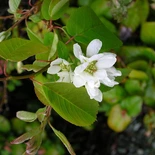
Serviceberry(Amelanchier spp.)
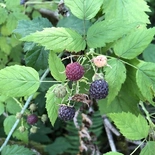
Whitebark Raspberry(Rubus leucodermis)
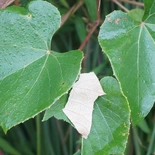
Fox Grape(Vitis labrusca)
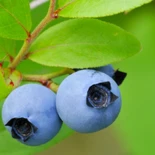
Blueberry(Vaccinium spp.)
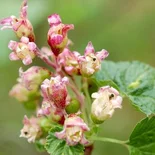
European Black Currant(Ribes nigrum)
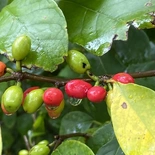
Northern Spicebush(Lindera benzoin)
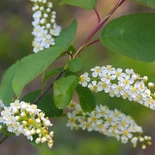
Chokecherry(Prunus virginiana)
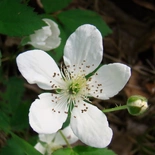
Northern Dewberry(Rubus flagellaris)
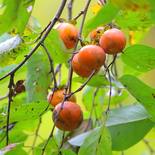
Common Persimmon(Diospyros virginiana)
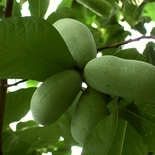
Pawpaw(Asimina triloba)
Flavors range from tart to tangy to juicy. Sweet to bright, citrusy and even tropical. Some are crunchy with seeds, while others are pulpy and custard-rich. All berries have immune-protective and health-promoting compounds. They are rich in powerful antioxidants and flavonoids that are an important part of human and animal diets.
Pemmican is a historically important recipe incorporating berries, made by mixing finely ground dried meat and powdered berries into tallow to create a traditional staple used by Indigenous communities, travelers and traders. It is also used by professional survivalists and for long-term hiking trips. You can enjoy it as is or use it as a base to fry up just about anything you find edible on the trail.
Besides blitzing foraged berries into your smoothies, enjoy these wild treats as you would any commercial berry. Expand your jam repertoire with salmonberry, juneberry (Amelanchier spp.) or wild grape (Vitis spp.). Experiment with a combination of foraged, farmers market or commercially grown fruit. Berries give us the ability to add tang to a compote adorning pork roast, infuse a homemade soda with bubbles brought on by natural yeasts or provide the filling for a raw nut pie.
Blueberries are the most numerous of all North American wild berries, as well as the most cultivated. Smaller than commercial berries, low bush wild blueberries can be found in open fields all over the Eastern Coast. Also common is the woodland strawberry (Fragaria virginiana), which got its name either from the way the wild hay falls and naturally mulches around them or from the fact that they were once pierced with straw and hung at market for a tasty treat.
Aggregated fruits and berries are usually edible, like blackberries. Single fruits on a stem are usually considered safe to eat, like hackberry (Celtis occidentalis). But this is only a guideline; if you can’t positively identify a berry, do not eat it. Do not rely on identification apps in the field. Be sure to correctly identify berries before consuming them, especially when giving them to others. Ways to learn your local flora include hiring a local guide who is an expert in your area, getting info from your local extension agent, going to wild food gatherings or keying plants out in a guidebook for your bioregion.
The environment where we collect can range from our backyards, edges of hedges, our favorite hiking trail or local and state parks. Each park has their own set of foraging guidelines, so be sure to check those before you set out. Luckily, berries, like mushrooms, are mostly a legal item to forage on government land.
Confirm that the ground is free from contaminants when possible. Contaminants originate from pollutants such as lead, poisoned waterways, unclean groundwater, agricultural runoff, overspray from road salts, mining, glyphosate used in commercial agriculture and residential areas as weedkillers. When picking tree fruits like mulberry and persimmon, avoid the windfalls due to contamination from browsing wildlife scat.
Many places that are prime foraging grounds are not open to the public. It is important to gain permission if you are interested in harvesting from any land that is privately owned.
How much we harvest is important for the continuation of a thriving plant community. Knowing the berries are there for us and many other life forms is a good start. By leaving plenty to be gorged upon and cached with seeds dispersed by animal droppings, we ensure that continuation. Being mindful not to trample plants underfoot or heavily impact adjacent areas is another way to preserve future harvests.
A tangible way to enjoy your favorite variety is to plant your own food forest, keeping in mind that you should plant varieties suitable for your light conditions and soil preference. For instance, the choicest brambles are the ones growing in dappled shade.
But protection from wildlife is also key. How vexing to watch your mayapples ripen, knowing you will soon taste a tropical treat, only to be beaten by hungry critters. Fencing up to 8 feet tall is suggested for deer. In my urban garden we put up a 6-foot fence and then attached a perimeter of string two feet up to prevent deer from jumping into the garden. Bird netting is paramount for elderberries. Simple plans are easy to find online to build a structure that fences in your berry patch. Or cage a single plant or two with ripening fruit to ensure harvest in the late summer.
Indigenous cultures have always known how to use berries as medicine and taught the colonists. Today, some cold and flu remedies like elderberry syrup are so mainstream they are sold in most pharmacies. Berries that contain many antioxidants are touted for their protective effects against many diseases like diabetes.
Cultivated berries in U.S. diets like blueberries and raspberries (Rubus spp.) serve as our central players in the culinary world, but there are a plethora of flavors to consider as complementary spices. Take the humble sumac. Non-poisonous sumac like both Staghorn sumac (Rhus typhina) and winged sumac (Rhus copallinum) are found in the upper Midwest and Northeast, while smooth sumac (Rhus glabra) is found across all of the east, central and western regions of North America. Tropical and showy in its display, medicinal in quality, traditionally smoked in its leaf form as “Kinnikinnick,” sumac is unmatched in its acidic offerings.
Sumac is a classic spice addition to many of the main dishes in Middle Eastern cuisine. The fuzzy berries, when dried and deseeded, add a wonderful lemony, yet earthy sprinkle onto meat, salad dressing and bread dips. The sour flavor from the berries comes from malic acid, the same acid found in candies. Luckily, it is easy to tell edible sumac varieties from poison sumac (Toxicodendron vernix). Poison sumac has white berries and grows all over the eastern U.S. in wetlands and along streams. Non-poisonous sumac grows in open and edge habitats and has red berries.
My favorite wild berry plant is blackcap raspberry (Rubus leucodermis). Not only is it a generous producer that grows low to the ground for easy picking and tastes delicious, but it also has medicinal, herbaceous fruity leaves. Starting in early spring until about August, these vibrant leaves are chock full of minerals and vitamins C, E and A, as well as calcium, iron, potassium and magnesium. You may have heard of using red raspberry leaf tea as a nourishing tonic. You may replace any of the Rubus varieties in your tea blends. I’ve been known to toss leaves into my bone broth pot when I have it handy.
The most mysterious and magical qualities of this bush is found on its canes. If you guessed that the canes host yeast you would be correct! At any time of year, you may snip a few inches of cane to start your wild-harvested sourdough starter, wild yeast for wine, vinegar or soda. The yeast can be seen with the naked eye as a white film that is easily wiped off with a finger.
The berries of North America are richly diverse and we should do our best to protect their diversity. The native range for many of these plants is shrinking, leading to less genetic diversity. This could impact the plants’ ability to hybridize in the wild and create defenses for our fast-changing climate. Planting berry patches, attending plant swaps, patronizing native plant nurseries, supporting local berry farms and engaging with your local tribal communities are great ways to bolster native berry plant communities.
We look to Indigenous foodways to learn to cultivate a relationship with our wild-sourced foods and to learn both old and modern practices that we can tie together to make berry harvesting sustainable for many generations to come. Obtaining significant parts of our diets from wild sources cuts down on the space and fuel required to commercially farm, warehouse and ship these foods. Each meal is a chance to reconnect with our local bioregions and reduce the impact of global berry markets. My hero and the prolific author of many highly esteemed wild food books, Sam Thayer says, “Gratitude grows when we eat, but none builds as strongly, firmly and keenly, as foraging.”
Brenna Pixley is a gatherer of people, plants and ideas. Her roots are deeply planted in Kalamazoo, Michigan where she lives with her family on their urban farm and is a member of the Wild Ones’ local chapter. She is also the founder of Earthcraft, an ancestral skill-share gathering focused on sharing hands-on reconnection with tools and nature. Pixley has taught foraging and herbalism classes at her local community college and Tillers International for almost a decade.
Pixley, B. (2024, Summer). Exploring the bounty of native edible berries: A culinary journey. Wild Ones Journal, 37(2), 25–28.
This is an excerpt from the Wild Ones Journal
Current members can log in to read the latest issue or check out the Journal Archives.
Wild Berry Recipes to Try
Before trying these recipes, remember that responsible foraging is key to protecting native ecosystems. Only harvest where it is permitted, take no more than you need, and avoid rare or threatened species. Always positively identify plants and leave enough fruit for wildlife and plant regeneration. All recipes from Brenna Pixley. Consume at your own risk.