
The impacts of climate change are irrefutable, but it’s not just about global warming, shrinking polar ice caps and rising sea levels. Climate change is directly impacting our landscapes and the species around us.
This is an excerpt from the Wild Ones Journal
Current members can log in to read the latest issue or check out the Journal Archives.
Impact on Species
Climate change has already taken a toll on many plant and wildlife species – and it’s not about to stop. The Harvard School of Public Health cautions that “climate change alone is expected to threaten with extinction approximately one quarter or more of all species on land by the year 2050.” Harvard researchers believe that climate change will overtake habitat loss as the greatest threat to life on land.
The National Audubon Society warns of the dramatic loss to avian species due to climate change, estimating that nearly 50 percent of birds in the U.S. will be imperiled by the end of the century as a result of shrinking and shifting ranges.
Biodiversity
As species are increasingly threatened, biodiversity has never been more important on the planet – and that includes our managed landscapes. Recent research studies have concluded that landscapes with a high degree of plant diversity are more resilient to pests, diseases and the impacts of climate change.
In September 2017, the University of Zurich published their study of 450 landscapes that included 2,200 plant and animal species. Their conclusion: ecosystems with high biodiversity are more productive and stable toward annual fluctuations in environmental conditions than those with a low diversity of species. They also adapt better to climate-driven environmental changes.
Co-Dependence of Plants and Wildlife
Plant diversity and wildlife diversity are co-dependent. But, it does matter what you plant. Evolutionary relationships make native plants critically important to many native wildlife species – a fact that has been ignored in the vast majority of American landscapes.
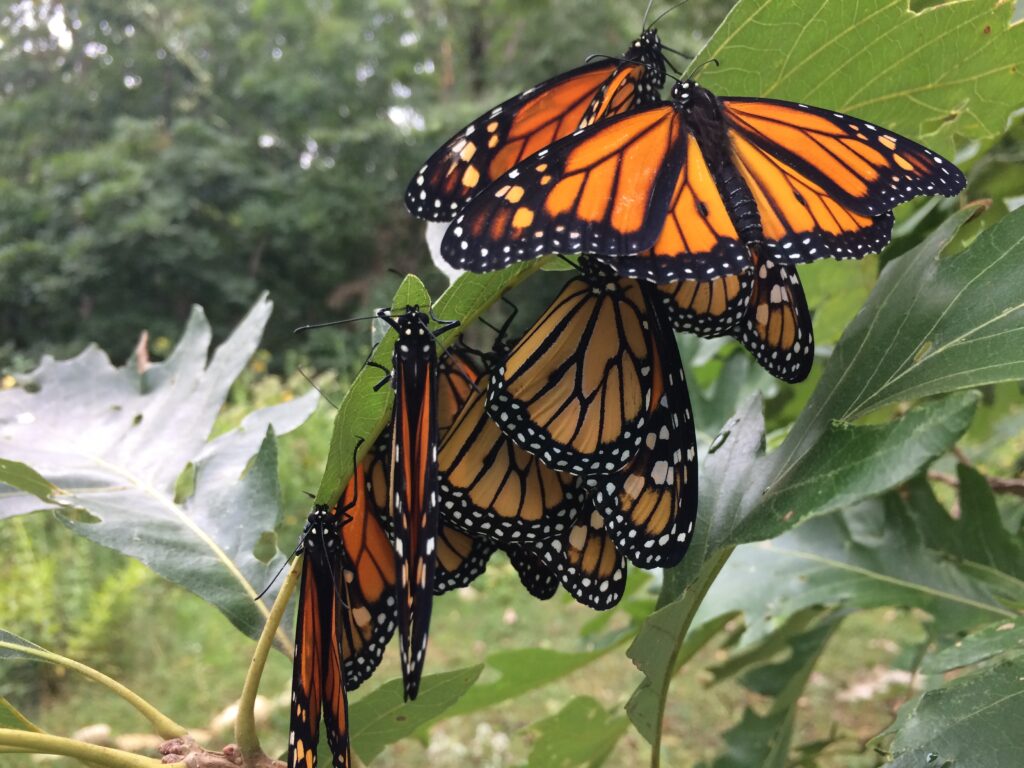
There are countless evolutionary relationships that are rarely factored into conventional landscaping. Sadly, it can take a dramatic event, like the near-extinction of a species, to remind us of these evolutionary connections. The monarch butterfly is one highly visible example. Prior to the last decade, few people knew what a host plant was, much less that a single plant genus could mean life or death for a given wildlife species.
Some lessons for our landscapes in the face of climate change include planting diversely, planting sufficiently (i.e. targets for pollinators et al.) and emphasizing native plants that have evolved with native wildlife.
Phenological Mismatches
The erratic fluctuations in temperatures resulting from climate change can wreak havoc with phenology. Simply put, phenology is the relationship between climate and timing of periodic phenomena, such as plant flowering or bird migration. Plants are cued to flower by a number of factors, including the amount of sunlight, warming temperatures and the amount of precipitation.
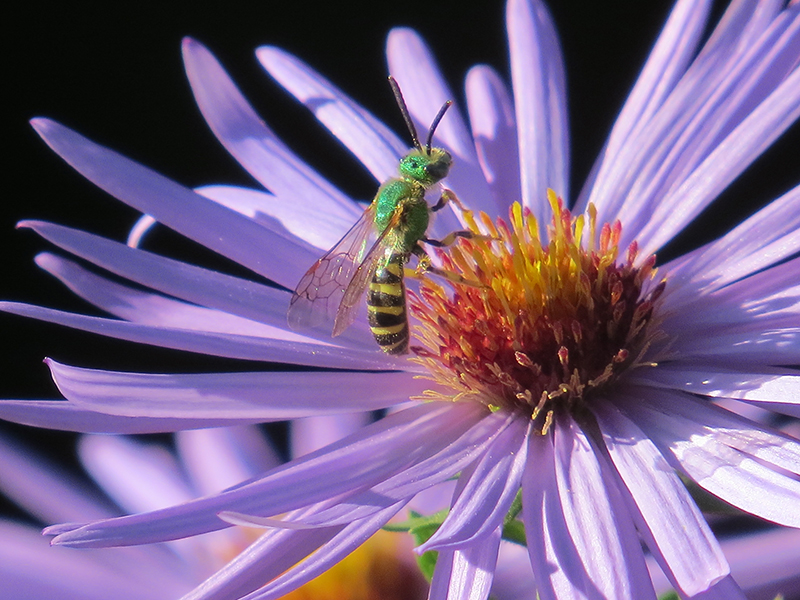
A very late onset of spring can be devastating for early emerging bees that rely on early spring flowers for pollen and nectar. The resources that these creatures depend upon may not be there yet. Planting an abundance and variety of early blooming native plants, including flowering trees and shrubs, may help early pollinators to survive the unexpected weather patterns brought by climate change.
Warm fall seasons with extended stretches of balmy weather can also take their toll on species. A bumblebee queen that is still active on a warm, late October day may find herself with an absence of forage. By planting more late-blooming native plants, extending the blooms through fall, we can help these overwintering creatures go into winter fit and healthy.
Climate Change and Birds
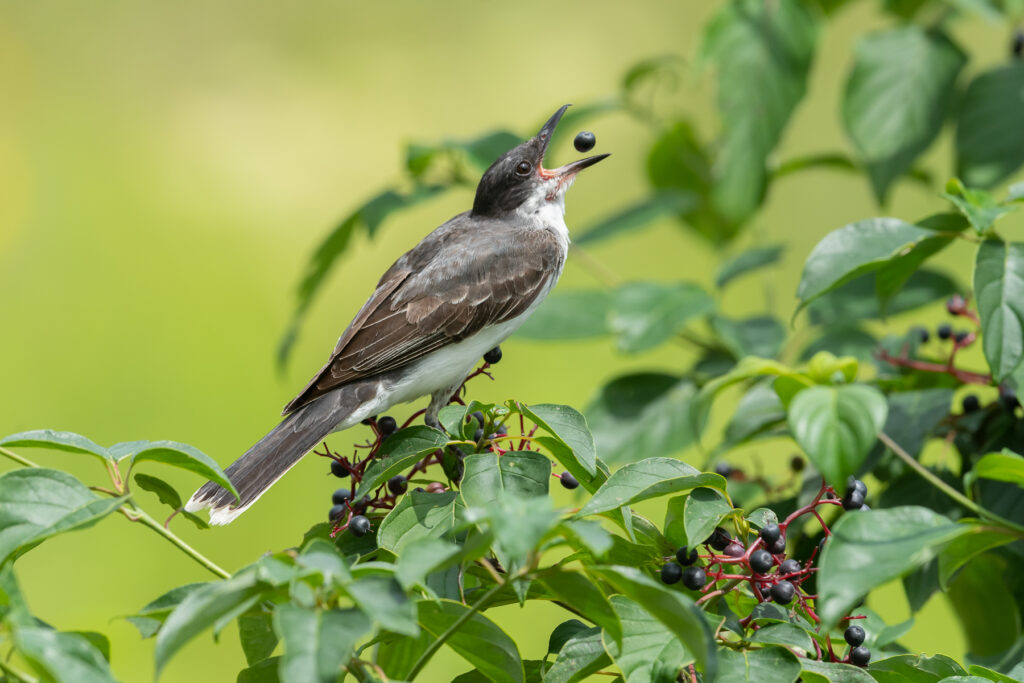
Bird migration is also being impacted by climate change. A long run of warm weather in the fall may fool birds into delaying their trip south, at a time when local food resources are dwindling. Landscapers and homeowners can help support many of these birds by planting native trees and shrubs that provide quality nutrition throughout the year.
Birds are opportunistic and will eat what is available. But not all plants are nutritionally equivalent. In fall, the lower quality fruit of some nonnative invasive plants may not deliver the energy power-packed nutrition of a native fruit, which birds need to make a successful migration.
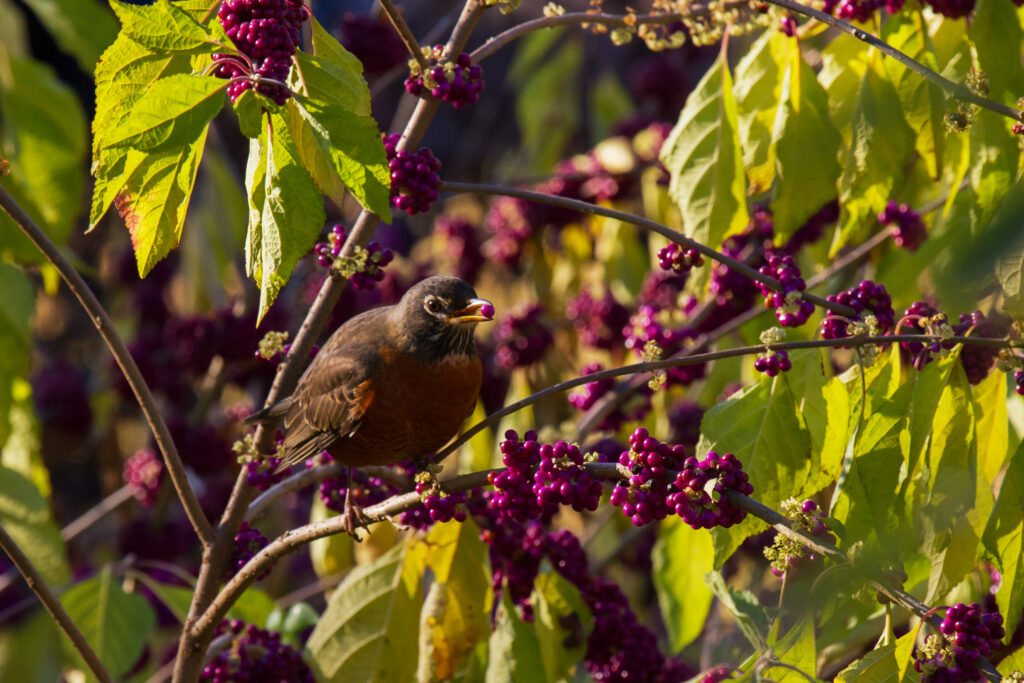
Some birds may fail to migrate at all, like robins, which now frequently overwinter in regions they used to depart in the fall. We can include more persistent fruits in our landscapes to help these birds make it through the winter. Fruits of native hollies like winterberry and inkberry, rose hips from native roses, and drupes of Northern bayberry are examples of persistent fruits that hang on during winter as a food of last resort, when tastier choices are gone.
Leaving flowering perennials and native grasses standing through winter can offer cover, as well as seed sources for birds and other overwintering wildlife. In spring, consider cutting back these plants in stages – not all at once – to benefit creatures such as native bees that may not have yet woken up. Climate change makes the beginning of spring a moving target.
Succession of Bloom and Plant Diversity
Creating a continual succession of bloom has never been more important, given the seasonal confusion with climate change. By evaluating our landscapes to determine when bloom gaps occur, we can then plant additional native species to fill those gaps.
For much of the country, this will mean a succession of bloom from early spring through late fall. For others, it may mean year-round flowering.
Not all pollinators are attracted to, or can utilize, the same species of plants. Body size, mouth parts and species determine which pollinators can utilize which plants. A tightly closed flower may be accessible to a strong bumblebee, but a small hover fly will need to nectar from a more open flower. By planting a diverse array of native species, we can support a multitude of species, not just a few.
Plant Choices and Assisted Migration
Many plant species are at risk in the face of climate change. Species can survive in several ways – adaptation, acclimation or migration. Plants cannot migrate on their own, although wind or an accommodating bird may carry seed. This reality poses some challenging questions. Do we stop planting species that we think will vanish from our region? Do we assist plants in their migration?
Assisting the migration of plants can be problematic – planting species where they do not naturally occur has some dangers. We have seen the consequences of seemingly harmless introductions before – many of the nonnative invasive plants we now battle were introduced through horticulture.
Some assisted species could become the invasive species of the future. Which ones? That’s hard to know. Some nonnative plants have proven themselves to be well behaved outside of their natural range. But, favoring regionally native plants seems to be the best way to support environmental health.
Biodiversity is one of our greatest tools in the face of climate change. The days of tree allées, monoculture hedges and huge swaths of the same perennial are over. We cannot afford to risk using these old-fashioned landscaping practices in our challenged modern landscapes.
Favoring Adaptable Plants
Favoring plants that have wide hardiness and heat zone ranges may give us an increased chance of coping with climate change in our landscapes. We can also use more “rain garden” plants where appropriate – those plants that can take occasional inundation as well as periods of drought.
“…replacement of invasives with native plants,
Kim Eierman
along with regular monitoring, is today’s paradigm
for healthy landscapes.”
Invasive Plants and Climate Change
Although various native plant species are at a disadvantage with climate change, some research indicates a positive response of invasive plants to increasing CO2 levels. Reducing, or even better, eradicating invasive plants is critical to improving biodiversity.
Unfortunately, invasive plants have a tendency to re-seed prolifically and are often highly deer resistant. Invasive plant management may seem like a thankless task, but it is terribly important to environmental health.
The timing and methods for invasive plant removal are determined by species, and may require a bit of online research. It’s time well spent. But, removal is not enough – replacement of invasives with native plants, along with regular monitoring, is today’s paradigm for healthy landscapes.
The Power of Trees
A simple step toward fighting climate change is to reduce or remove lawn in favor of planting more trees. The more frequent and severe flooding of climate change results in stormwater runoff that pollutes our water supply and creates soil erosion. By limiting impermeable surfaces and planting more trees, you can help to keep stormwater on site. A mature tree may store 100 gallons or more of water.
Tree leaves and tree bark intercept raindrops during a storm event, allowing for more gentle infiltration of rainwater into the soil while preventing erosion. Tree roots take up moisture from the soil and store it, also preventing soil erosion while increasing groundwater recharge – critical for clean drinking water.
Trees are nature’s air conditioners. As water evaporates from their leaf surface, trees cool the area around them. In a single day, the evaporation from one mature tree can equal the cooling effect of eight room-sized air conditioners.
Trees absorb carbon dioxide and other gasses. In turn, they release oxygen that we can breathe. Trees are oxygen factories that we depend upon for survival. A single tree can provide a day’s worth of oxygen to four people, while absorbing carbon dioxide from the air.
Other Considerations
There are many other ways to combat climate change in your landscape. Limit your carbon footprint by skipping the gas-powered mowers, blowers, chippers and others, in favor of hand tools and electric equipment. Be willing to pay a landscaper more to use a broom or a rake.
Compost materials on site that might otherwise go into the waste stream. Keep stormwater on site by replacing impermeable driveways and walkways with permeable alternatives and by creating rain gardens. Brainstorm with your chapter members to come up with solutions that help turn the tide of climate change.
The Payoffs
Gardening and landscaping more ecologically in the face of climate change has the happy benefit of connecting us more closely to the environment that we depend upon. We need to be good stewards of our landscapes – now more than ever.
Eierman, K. (2018). “Dealing with Climate Change in Our Landscapes” Wild Ones Journal, 31(1).