
Native plant gardeners, landscape designers, and land stewards often face a tension between ecological function and traditional horticultural aesthetics. In the Wild Ones National Webinar Rethinking Horticulture with Real Ecology, field botanist and science communicator Joey Santore, creator of Crime Pays But Botany Doesn’t, examines how inherited design norms like straight lines, uniform spacing, tidy edges, and color-grouped plantings shape expectations for native landscapes. These conventions, rooted in European garden traditions and reinforced by modern lawn culture, continue to influence how native plant gardens are judged, managed, and defended, often at the expense of ecological function, especially in the disturbed and human-shaped landscapes where most people live.
About the Webinar
In this Wild Ones National Webinar, Joey Santore invites participants to step back and examine where those expectations came from and what they cost us ecologically. Much of this perspective is grounded in field observations from roadsides, rail corridors, vacant lots, and other disturbed places where plants are already adapting to human impact. Content note: This presentation contains strong language.
Drawing from decades of field experience and his work on the forthcoming book Concrete Botany: The Ecology of Plants in the Age of Human Disturbance, Joey explores what plant communities actually look like in real-world conditions, especially in landscapes shaped by disturbance. He unpacks how plants interact in space, how disturbance shapes vegetation, and why irregular, dense, and sometimes “messy” growth often signals ecological strength rather than neglect.
This conversation challenges some of the most common assumptions in native plant gardening and landscape advocacy. It asks why ecological landscapes are so often held to aesthetic standards that undermine their function, and how those standards influence public perception, policy, and long-term stewardship.
Participants will come away with a deeper understanding of:
- How inherited horticultural aesthetics shape expectations for native landscapes
- What plant communities look like in disturbed and human-shaped environments
- Why uniform spacing, symmetry, and “tidiness” can work against ecological function
- How embracing ecological form can strengthen advocacy and public acceptance
- How disturbance, soil conditions, and site history shape what can grow and thrive
This webinar is especially relevant for gardeners, land stewards, educators, designers, and advocates who are working to bridge the gap between ecological knowledge and cultural expectations in suburban and urban environments.
About the Presenter
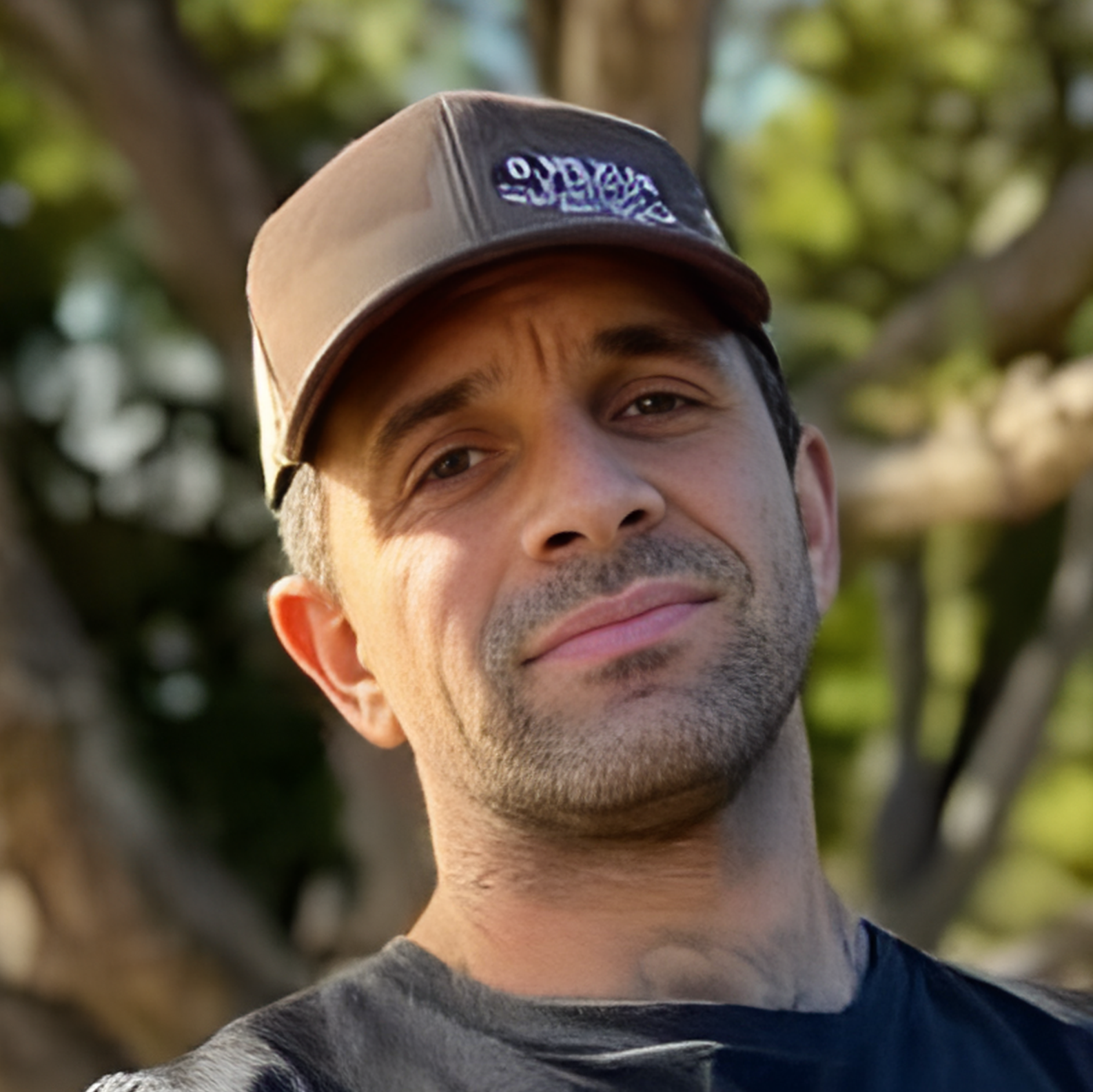
Joey Santore is an acclaimed naturalist, educator, author, illustrator, and host of the popular YouTube channel Crime Pays But Botany Doesn’t, where he explores plant ecology, evolution, and biodiversity through field-based storytelling. His work centers on helping people see plants not for what they provide us, but for what they are: living organisms with deep evolutionary histories and essential roles in sustaining life on Earth.
Drawing on years of field observation and study, Joey focuses on giving people context for the non-human world around them. He connects plants, geology, disturbance, and time, showing how landscapes tell long ecological stories that are often overlooked or misunderstood. His approach reframes so-called ordinary or messy places as complex systems shaped by evolution, adaptation, and resilience.
In addition to his online work, he cohosted Kill Your Lawn, a television series focused on replacing turf with native landscapes. He is the author of Crime Pays But Art Doesn’t and the forthcoming book Concrete Botany: The Ecology of Plants in the Age of Human Disturbance, to be released in April 2026.
Through writing, teaching, and media, Joey challenges conventional narratives about beauty, weeds, and land management, encouraging a more honest relationship with the living world. See more about Santore on his website: https://www.crimepaysbutbotanydoesnt.com/.