
Plants shape worlds, launch myths, and sometimes frighten us for good reasons. Across centuries, we’ve told ghost stories about vines that creep back after cutting, forests that whisper, and blooms that lure the unwary. This Wild Ones reading list celebrates that fascination with titles that merge ecological insight, folklore, and just the right amount of fright. These are books that make you look twice at what’s growing outside your window.
Chlorophobia: An Eco-Horror Anthology by A. R. Ward
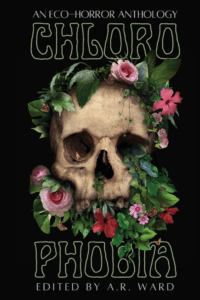
This collection of short stories and poems imagines nature reclaiming its power in unsettling and unexpected ways—from parasitic growths that enslave humans to plants that blur the line between prey and predator.
Real-world science
In ecology, systems “push back” when disrupted. When species or nutrients are removed or added unnaturally, feedback loops emerge. Algae blooms choke waterways, invasive vines smother forests, or soil fungi surge after disturbance.
The eerie logic of Chlorophobia mirrors this reality: nature is not vengeful, but self-correcting, and its mechanisms of balance can feel like retribution when we’re the cause of the imbalance.
Plants That Kill: A Natural History of the World’s Most Poisonous Plants by Elizabeth Dauncey & Sonny Larsson
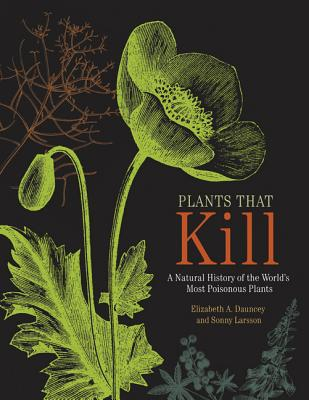
A visual tour through the dark chemistry of flora. Written by a toxicologist and botanist, this volume explains how alkaloids, cardiac glycosides, and cyanogenic compounds evolved as self-defense. Each page blends photography with stories of historical poisonings and natural adaptations.
Real-world science
Plants evolved toxins as a defense mechanism—they can’t flee from predators, so chemistry became their armor. Over time, natural selection favored species that produced compounds deterring insects, grazers, and competing plants, shaping an arms race between flora and the creatures that feed on them.
Plants That Kill tells us that most poisonings trace to human error, misidentification while foraging, improper preparation, or concentrated homemade extracts… so perhaps it’s not the plants to fear.
The Day of the Triffids — John Wyndham
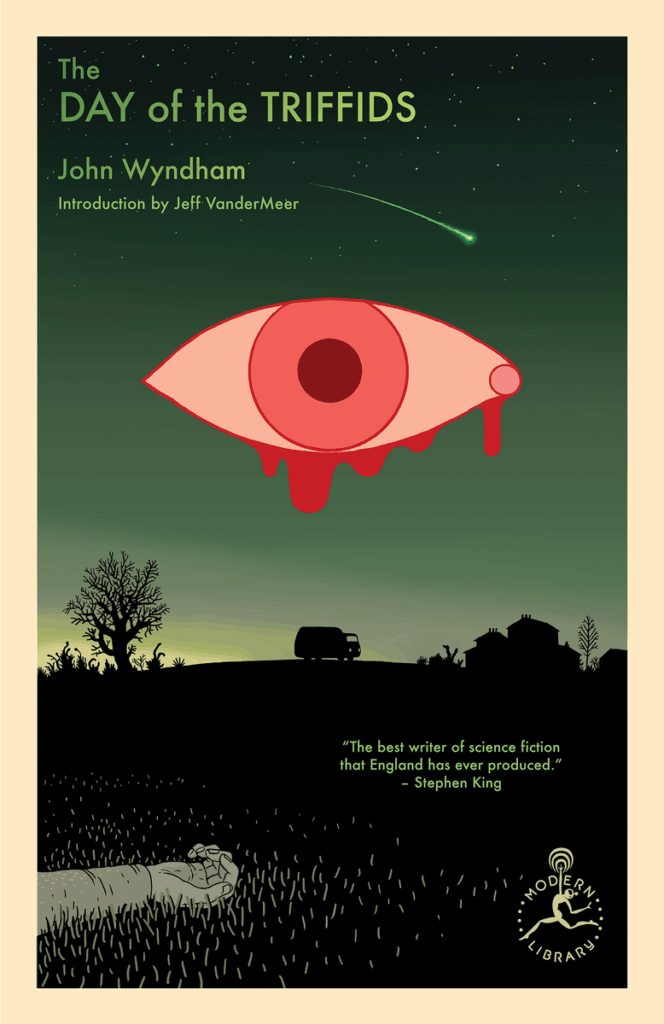
A post-apocalyptic classic where engineered, stinging plants inherit the earth after humanity is struck blind. Decades later, it still asks uncomfortable questions about dependency on technology and ignorance of ecology.
Real-world science
Many invasive plants succeed for the same reasons Wyndham imagined—rapid growth, chemical defenses, and human negligence. Freed from their native predators or pathogens, they can allocate more energy toward growth and seed production.
Reading Triffids today feels like confronting the ecological consequences already sprouting in our yards.
Semiosis by Sue Burke
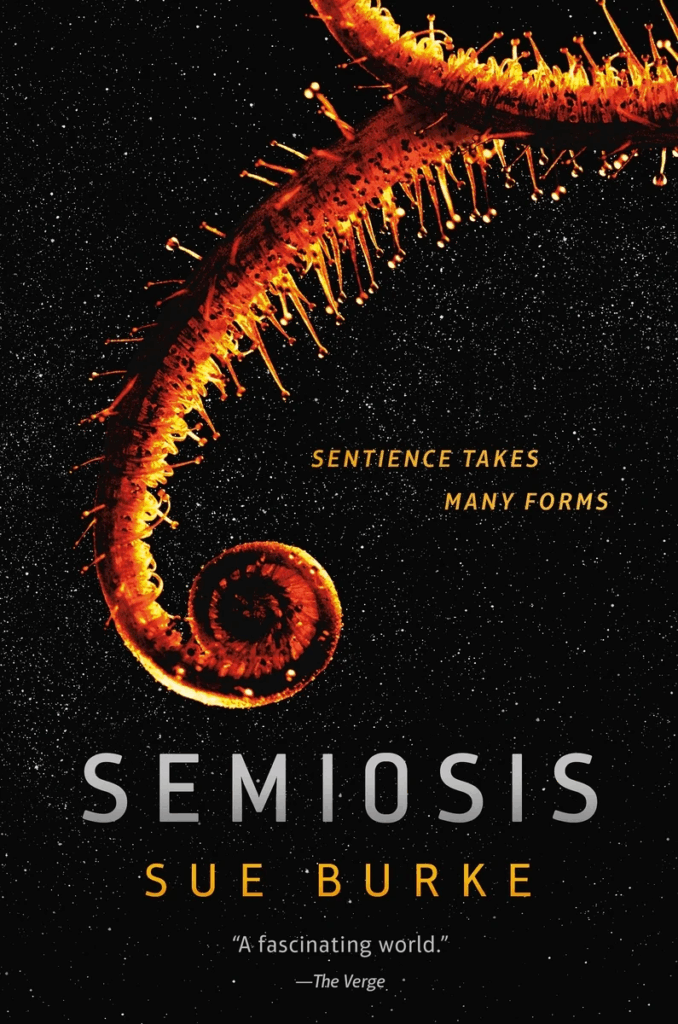
A group of human colonists lands on a distant planet ruled by sentient vegetation. Over generations, they learn that the planet’s flora communicate, strategize, and manipulate their environment with a quiet intelligence that forces humanity to renegotiate its role in the ecosystem.
Real-world science
Decades of research confirm that plants sense and respond to their surroundings through sophisticated biochemical signaling. Roots exchange information via fungal networks, leaves detect neighbors by reflected light, and some species even emit airborne compounds to warn others of danger.
The imagined intelligence in Semiosis reflects a growing scientific recognition that plant behavior is dynamic, adaptive, and, at times, aware.
Annihilation by Jeff VanderMeer
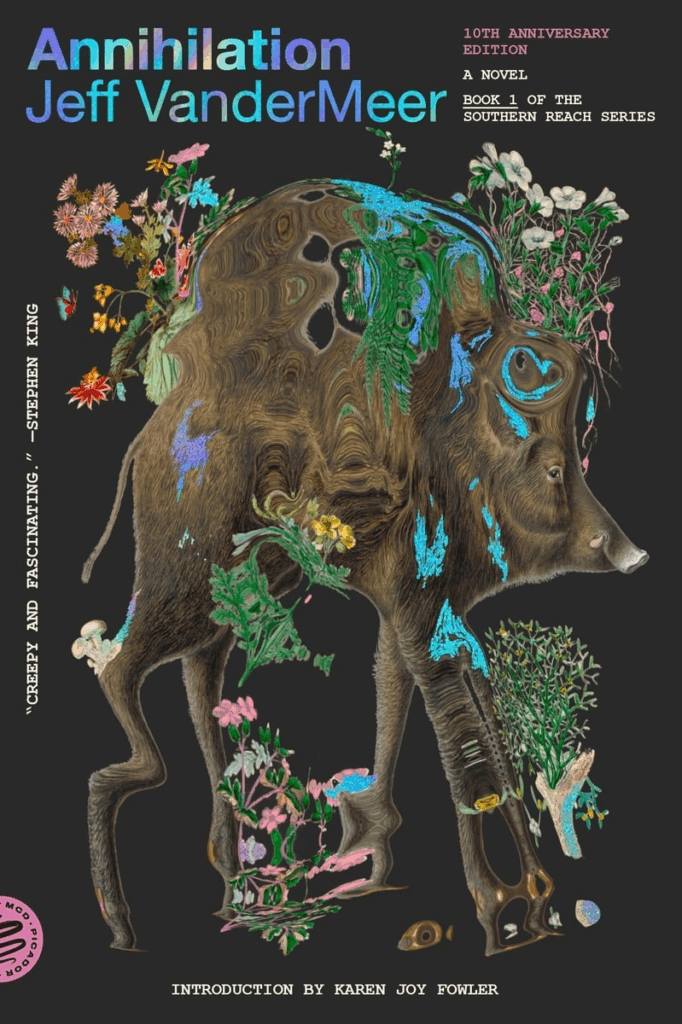
A team of scientists explores “Area X,” a quarantined wilderness where plants and animals mutate beyond comprehension. The landscape itself becomes a living, breathing entity—lush, mesmerizing, and hostile. Told through the eyes of a biologist, the novel transforms ecological succession and adaptation into a surreal meditation on humanity’s place within nature’s cycles.
Real-world science
Plants adapt through gradual genetic change—mutations, hybridization, and natural selection that allow them to survive new stresses. Occasionally, genetic material even jumps across species boundaries through horizontal gene transfer, a mechanism common in microbes and now documented in some plants. VanderMeer’s
VanderMeer’s ever-evolving wilderness channels this truth: left alone, ecosystems heal and adapt, though not always in ways we can predict or control.
These stories remind us that nature’s power lies not in fear but in resilience. The same adaptations that inspire horror fiction: poison, persistence, and transformation are what allow native plants to thrive. This season, look for the wildness in your own backyard; it might be stranger than you think.
Shop and Support Independent Bookstores:
All books can be purchased directly from Wild Ones’ curated lists on Bookshop.org, where your purchases support local bookstores and fund Wild Ones’ educational outreach on native plants and pollinators.