
Rewilding is often described as restoring whole systems and allowing wildlife, plants, and natural forces to shape the land again. Initially, the term evoked images of vast reserves and the return of wolves and other keystone species. But over time, the definition has broadened. Today, many ecologists, writers, and activists use “rewilding” to describe any action that helps restore ecological processes and biodiversity.
While large-scale projects often grab headlines, Wild Ones recognizes that rewilding can also occur at smaller scales. In an era of climate change and urbanization, it’s unrealistic to think rewilding can only mean vast wilderness. Rewilding must include human spaces if it’s to succeed.
One of the best ways to understand the power of rewilding is through stories. Books capture the science, history, and imagination behind rewilding efforts, whether at the scale of backyards or entire ecosystems. Here are some selected highlights from our Rewilding Booklist (The full list offers many more options!):
Books for Adults
These titles explore the history, science, and big ideas of rewilding. They help readers understand how ecosystems recover, why rewilding matters, and how we can apply these lessons in our own communities and backyards.
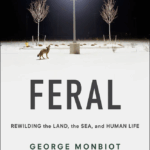
Feral
by George Monbiot
Blends personal adventure with ecological insight, exploring how restoring natural processes can heal landscapes and reconnect people with the wild.
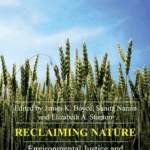
Reclaiming Nature: Environmental Justice and Ecological Restoration
Edited by James K. Boyce, Sunita Naran, and Elizabeth A. Stanton
This collection links ecological restoration with social justice, showing how repairing damaged ecosystems also supports communities, equity, and resilience.
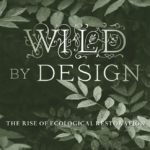
Wild by Design: The Rise of Ecological Restoration
by Laura J. Martin
A history of ecological restoration in the U.S., this book examines the science, politics, and people behind the movement, offering lessons for shaping more just and sustainable futures.
Books for Kids
These stories introduce children to the wonder of wildness. They spark curiosity, teach about real rewilding projects, and encourage kids to see that even small actions make a difference.
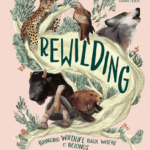
Rewilding: Bringing Wildlife Back Where It Belongs
by David A. Steen
Written by a wildlife biologist, this accessible introduction for young readers explains rewilding projects that restore balance to ecosystems. Ages 8-10
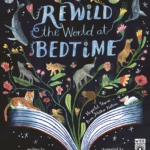
Rewild the World at Bedtime: Hopeful Stories from Mother Nature
by Emily Hawkins
A collection of 20 short, illustrated stories about real rewilding successes, from beavers in the UK to tigers in Nepal, ideal for bedtime reading that inspires. Ages 5-8
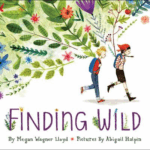
Finding Wild
by Megan Wagner Lloyd
A picture book that encourages children to notice glimpses of nature in forests, fields, or even next to subway doors. It shows how “wild” can be found in the small, everyday details.
Ages 3-7
Explore the Full Rewilding Booklist
These are just a few of our favorite picks. The complete Rewilding Booklist features even more inspiring titles for readers of all ages—covering topics from native plants and pollinators to ecological restoration and the future of conservation. Every purchase supports both the authors and our mission.
Shop and Support Independent Bookstores:
All books can be purchased directly from Wild Ones’ curated lists on Bookshop.org, where your purchases support local bookstores and fund Wild Ones’ educational outreach on native plants and pollinators.
Explore our full Wild Ones reading lists and start building your library today.
So, Is Your Garden Rewilding?
Yes! Rewilding in the U.S. is gaining momentum. From large-scale prairie restorations to everyday people planting native gardens in their own yards. Organizations like Wild Ones are helping lead the way, inspiring people to turn lawns into living landscapes full of native plants, pollinators, and wildlife.
Home native habitats are rewilding. The science supports that restoring biodiversity at every scale matters. Check out just how much impact your rewilding efforts have:
Restoring Ecological Processes
Native plants bring back pollination, seed dispersal, and soil health cycles that turf lawns disrupt. Deep-rooted native plants rebuild soils by breaking up compaction, adding organic matter, and creating habitat for beneficial microbes. Their root systems also act like sponges, soaking up rainfall and filtering pollutants, which reduces runoff and erosion. A patch of native plants can intercept thousands of gallons of stormwater each year, functioning like a mini wetland in the middle of a neighborhood (EPA, 2000).
Aboveground, native flowers provide nectar and pollen across seasons, sustaining pollinators that in turn spread seeds and connect fragmented habitats. Native plants also fuel food webs: one oak tree can host more than 900 species of caterpillars, feeding birds and other wildlife (Tallamy, 2009). By replacing turf with native species, yards begin to restore the natural cycles of soil, water, and life—bringing back ecological processes that make landscapes thrive.
Supporting Biodiversity
Studies show native plants support up to 5x more insect biomass and 7× more species per unit leaf mass than non-natives (Ballard et al., 2013). That insect abundance directly fuels higher bird diversity and reproduction: suburban yards landscaped with non-native plants became population sinks for Carolina chickadees, while those with native plants sustained breeding populations (Narango, Tallamy, & Marra, 2018). Even small plantings, like a patch of milkweed or a single native oak, can ripple outward, feeding caterpillars, pollinators, birds, and mammals.
Creating Connectivity
Collectively, gardens form corridors that reconnect fragmented ecosystems and allow wildlife to move across urbanized landscapes. A recent urban ecology study found that pollinators regularly moved pollen between isolated flower patches—even across streets and sidewalks—maintaining genetic flow in city plant populations (Płaskonka et al., 2024). Similarly, a 5-year experiment in the Pacific Northwest showed that pocket habitats as small as 30 m² significantly boosted pollinator abundance and diversity, especially when repeated across neighborhoods (Donkersley et al., 2023). This means your yard is not an island—it’s a link in a living chain that reconnects ecosystems.
Rewilding Our Culture
Planting natives isn’t only ecological, it is transformational. It shifts our values away from domination of nature toward coexistence, teaching kids and communities that “wild” belongs everywhere. Certification and recognition systems like NWF’s and Wild Ones Certified Habitats are accelerating cultural acceptance of native landscapes (Pham, et al., 2022). Research shows that relational approaches—such as neighbors, peer networks, and local groups—strongly motivate conservation behaviors, like native gardening. Individual yard choices spread through social diffusion, as people mimic and adopt practices they observe in their communities.
This means native plant adoption is becoming a community-driven cultural norm, not just an individual choice (Turner & Stiller, 2023). And Wild Ones is putting this into practice by connecting people through chapters, garden tours, webinars, and certification programs.
Rewilding is about more than saving far-off wilderness. It’s also about how we live with nature every day. Even small steps can bring back wildlife, clean water, and healthy soil. Science shows that little patches of native plants add up to make a big difference.
The books on the Rewilding Booklist tell these stories in powerful ways. From Rambunctious Garden and Feral to Mini-Forest Revolution and Finding Wild, each one shows that rewilding can start anywhere.
References
Ballard M, Hough-Goldstein J, Tallamy D. Arthropod communities on native and nonnative early successional plants. Environ Entomol. 2013 Oct;42(5):851-9. doi: 10.1603/EN12315
Donkersley, P., Witchalls, S., Bloom, E. H., & Crowder, D. W. (2023). A little does a lot: Can small-scale planting for pollinators make a difference? Agriculture, Ecosystems & Environment, 343, 108254. https://doi.org/10.1016/j.agee.2022.108254
Environmental Protection Agency (EPA). (2000). Vegetated filter strips and buffers. Greenacres Program. Retrieved from https://archive.epa.gov/greenacres/web/html/conf_knwldge.html
Narango, D. L., Tallamy, D. W., & Marra, P. P. (2018). Nonnative plants reduce population growth of an insectivorous bird. Proceedings of the National Academy of Sciences, 115(45), 11549–11554. https://doi.org/10.1073/pnas.1809259115
Pham, M.A., Scott, S.B., Fyie, L.R. et al. Sustainable landscaping programs in the United States and their potential to encourage conservation and support ecosystem services. Urban Ecosyst 25, 1481–1490 (2022). https://doi.org/10.1007/s11252-022-01241-8
Płaskonka, B., Zych, M., Mazurkiewicz, M., Skłodowski, M., & Roguz, K. (2024). Pollinator-mediated connectivity in fragmented urban green spaces—Tracking pollen grain movements in the city center. Acta Oecologica, 123, 103985. https://doi.org/10.1016/j.actao.2024.103985
Tallamy, D. W. (2009). Bringing nature home: How you can sustain wildlife with native plants. Timber Press.
Turner, K. G., & Stiller, J. (2023). Motivating relational organizing behavior for biodiversity conservation. Conservation Science and Practice, 5(8), e12943. https://doi.org/10.1111/csp2.12943