
Community science, also known as citizen science or participatory science, is when people of any age and background help collect data about the natural world. These contributions often support scientific research on topics like native plant health, pollinator populations, wildlife sightings, and seasonal changes. Community science helps reveal patterns that might otherwise go unnoticed- like which native species are thriving, when plants are blooming, or where monarchs are migrating. It builds a stronger connection between people and place by encouraging close observation of our own yards, neighborhoods, and public lands. It also creates real conservation impact. The data collected through community science can help researchers track biodiversity, monitor climate change, and make decisions that support healthy ecosystems. Anyone can take part, and even small observations can play a meaningful role in protecting the environment.
Explore our full Wild Ones reading lists and start building your library today.
Wild Ones Chapters Contribute to Local Community Science
Across the country, Wild Ones chapters led community science efforts in their local communitites in 2024:
The Chesapeake Bay (MD) Chapter supported multiple efforts including the City Nature Challenge in the Washington Metro Area, engaging over 300 participants through blog outreach and iNaturalist training. On iNaturalist, the chapter also participated in Calvert County’s “Parks for Pollinators” initiative and launched a native plant data project with the Southern Maryland Native Plant People group, which now boasts over 23,000 observations!
In Wisconsin, the Kettle Moraine Chapter hosted a hummingbird banding event and a monarch tagging session, drawing 85 participants to learn about migration and native plant habitat needs. The Mountain Laurel (CN) Chapter coordinated City Nature Challenge efforts in Connecticut, resulting in 3,234 species observations from 262 people. Meanwhile, Louisville (KY) Chapter volunteers used iNaturalist to track species along guided hikes and launched a new monitoring project in Cherokee Park’s Wildflower Woods restoration site.
These chapter-led programs show how observing local biodiversity can help build the data needed to protect native ecosystems. Whether tagging monarchs or leading hikes, Wild Ones members are contributing to commnity science, one observation at a time.
Reading Lists to Inspire Community Scientists of All Ages
Reading is a powerful way to connect: with each other, with nature, and with community science! We have compiled a list of how ordinary people can participate in environmental monitoring efforts. These books introduce the concept of community science and showcase real-world projects and personal stories. Our goal is to inspire curosity, observation, and offer practicial advice to get started. Take a look:
Book Reccomendations for Kids & Families
These books help kids see themselves as scientists and spark early curiosity about plants, animals, and ecosystems. Through storytelling and projects, they learn how to observe the natural world and contribute to community efforts that support biodiversity.
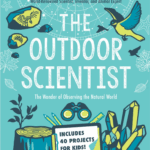
The Outdoor Scientist
by Temple Grandin
(Ages 8–12) This book invites kids to explore science in their everyday surroundings through hands-on projects related to plants, wildlife, weather, and more. A great starting point for young nature observers.
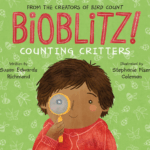
Bioblitz!
by Susan Edwards Richmond, illustrated by Stephanie Fizer Coleman
(Ages 4–8) Join a class of students as they search for all the living things in a local park. This book introduces kids to biodiversity and the excitement of recording species as part of a community science event.
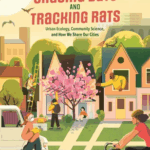
Chasing Bats and Tracking Rats
by Dr. Cylita Guy, illustrated by Cornelia Li
(Ages 9–12) This book follows real-life urban ecologists as they study wildlife in city environments—from bats in parks to rats in sewers. Through engaging stories and fun facts, it shows how community science helps us understand how animals adapt to human spaces and why local research matters. A great pick for curious readers who want to explore the science happening right in their own neighborhoods.
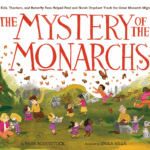
The Mystery of the Monarchs
by Barb Rosenstock, illustrated by Erika Meza
(Ages 4–8) Tells the real-life story of how teachers, students, and everyday nature lovers helped uncover the monarch butterfly’s migration routes through years of careful observation.
Books that Explore the Why and How of Community Science
These books are ideal readers who want to explore how individual action, observation, and grassroots science support conservation. Whether you’re new to community science or already contributing data, these titles offer practical insight and inspiration.
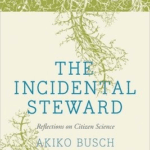
The Incidental Steward
by Akiko Busch
A collection of thoughtful essays on participating in fieldwork and monitoring projects, from bird banding to stream surveys. Highlights how ordinary observations shape our relationship to place.
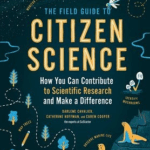
The Field Guide to Citizen Science
by Darlene Cavalier, Catherine Hoffman, and Caren Cooper
A practical introduction to getting involved in nature-based science projects. Covers how to collect and submit data, choose the right project, and make your efforts count.
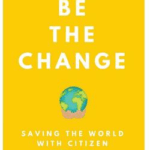
Be the Change: Saving the World with Citizen Science
by Chandra Clarke
This compact guide offers entry points into a wide variety of projects. Designed to show how small individual actions can support larger environmental efforts.
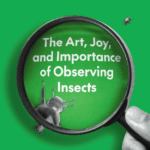
Bugwatching: The Art, Joy, and Importance of Observing Insects
by Eric R. Eaton and Samantha Gallagher
A detailed look at insect behavior and how to observe it meaningfully. Encourages a closer relationship with bugs and the native plants they rely on.
Explore the full Community Science Booklist ›
How to Get Started in Community Science
Community science invites everyone to contribute to tracking the natural world. From documenting native plant blooms to reporting wildlife sightings, your observations can inform research, influence policy, and guide conservation actions. Plus, it’s fun! Here is how to begin:
1. Follow your curiosity
Think about what you already notice or enjoy: Are you drawn to pollinators, birds, wildflowers, or seasonal changes? Community science projects exist across a wide range of subjects and there’s likely a project that connects to your interests.
2. Pick a project or platform
Join an established project to make your efforts count. Here are trusted platforms used by researchers:
- iNaturalist – Upload photos of plants, animals, or fungi to help map biodiversity.
- Journey North – Track seasonal changes like monarch and bird migrations and blooming times.
- Monarch Watch – Tag monarchs and track their movements.
- Nature’s Notebook – Record changes in plant and animal life cycle timing.
Search “community science projects near me” to find local efforts, or ask your local Wild Ones chapter or nature center. For more inspiration, check out community science programs operated by the Xerces Society and these community science opportunities organized by Monarch Joint Venture.
3. Keep your tools simple
Most community science tools are free or low-cost. A smartphone with a camera and GPS is often enough. You may also want a notebook, ruler, or pair of binoculars, depending on the project. Some libraries even offer nature kits or iNaturalist tutorials for beginners.
4. Start small and close to home
You don’t need to travel far to participate. Many of the most valuable observations happen in your own yard, neighborhood, or local park. Pay attention to what’s blooming, buzzing, or changing near you. Start with one observation and grow from there.
5. Find your community
Check if your local Wild Ones chapter or nature center supports community science. As we summarized above, many Wild Ones chapters support community science projects like the City Nature Challenge. All it takes is a few motivated volunteers to get a program started locally. Joining a group effort not only strengthens the data, it builds community, too.
Community science helps document the presence of native species, identify threats like invasive plants or habitat loss, and ensure that decisions about conservation and land management are based on real data. Every observation counts!
Start with a book. Start in your backyard. Start where you are.
Explore our Wild Ones Community Science Booklist.